Australian wicketkeeper Alex Carey is no ordinary player. His ability to read the game and his technique behind the stumps make him a key asset. This 3D analysis breaks down his movements, from foot placement to lightning-fast reflexes, offering a technical insight into his most outstanding attributes on the field.
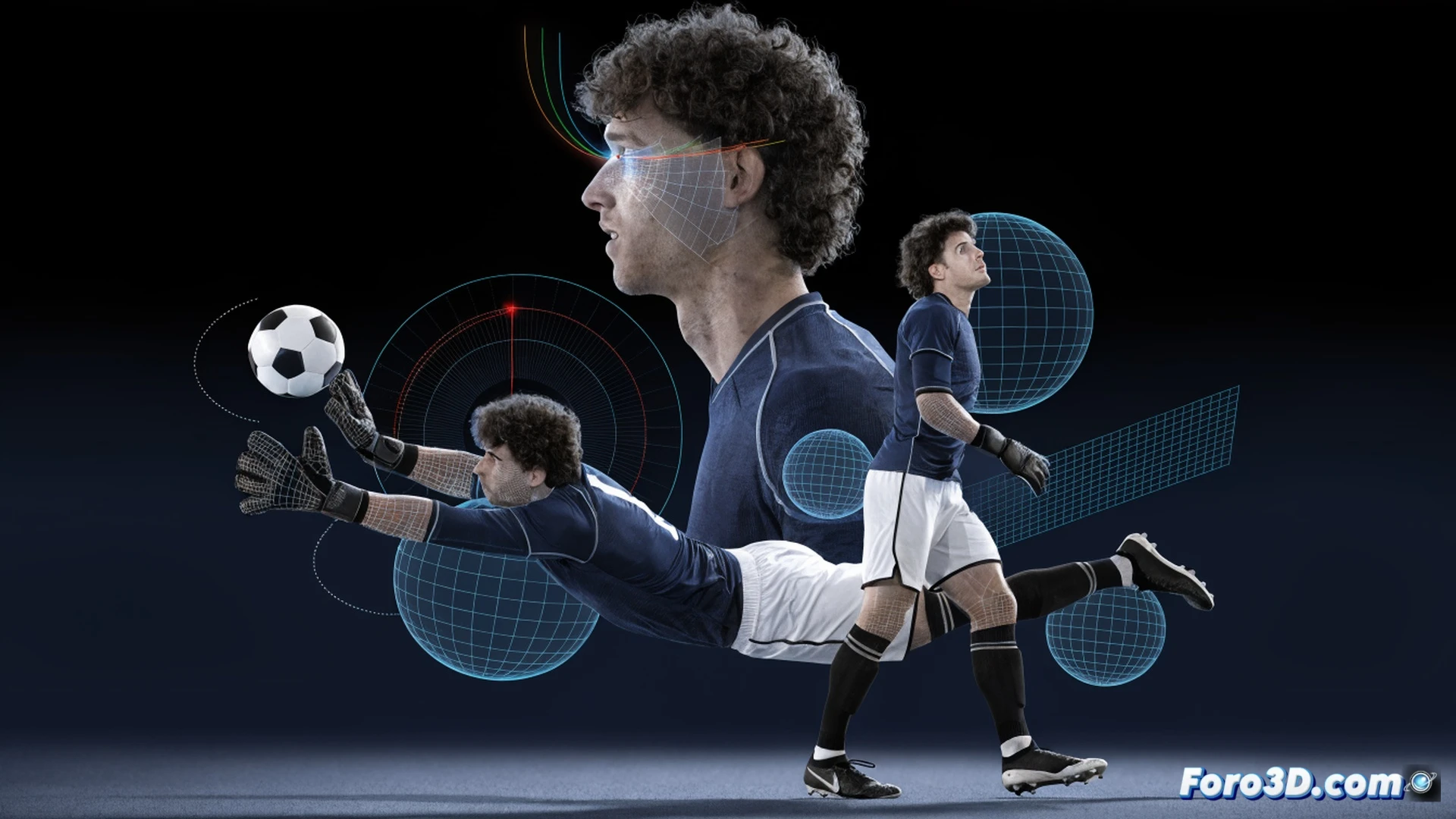
Motion Technology: Biomechanics and Reflexes in 3D 🏏
The three-dimensional model reveals that Carey maintains a low and stable center of gravity, allowing him to react in milliseconds. His catching angle, close to 45 degrees, optimizes response time to deviations. Furthermore, the kinetic chain analysis shows an efficient energy transfer from the legs to the hands, reducing fatigue and improving consistency in collections.
Carey's Best-Kept Secret (And It's Not the Beard) 🤫
After hours of 3D analysis, we discovered that Carey's real superpower is not his perfectly trimmed beard, but his ability to look bored while catching everything. Sensors show that his face barely changes expression, even when catching a ball at 150 km/h. Engineers speculate that this confuses batsmen, who can't tell if he is focused or thinking about the grocery list.