Gerald Coetzee has burst onto the international cricket scene as a South African fast bowler with a distinctive body mechanics. His bowling action generates an aggressive release angle and high bounce that disconcerts batsmen. This 3D analysis breaks down the biomechanical factors that make his style a technical case study in the sport.
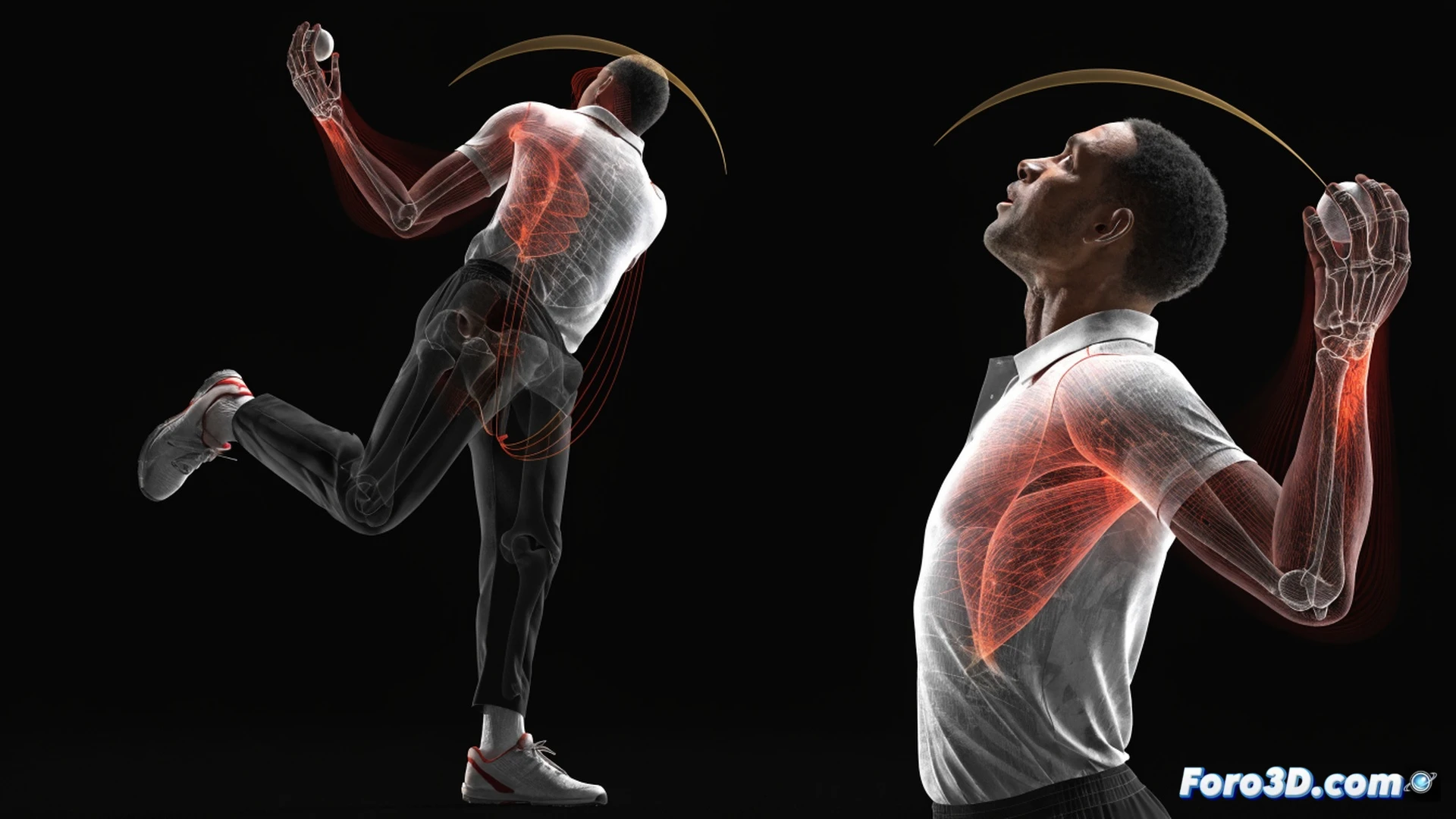
Biomechanics and release angle in bowling 🏏
The 3D analysis reveals that Coetzee uses a lateral trunk tilt of 35 degrees at the point of release. This, combined with rapid hip rotation, generates a low release angle that produces aggressive bounce from a good length. His firm wrist and use of the index and middle fingers create minimal lateral spin, prioritizing speed of 145 km/h over spin. The release height, close to 2.1 meters, adds a vertical component that forces batsmen to adjust their line of sight.
The mystery of the ice pack and the smile 😅
What the 3D model does not capture is how Coetzee manages to smile while his back calls for early retirement. After every delivery, his shoulder seems to declare independence, but he simply asks for another ice pack. Analysts debate whether his secret is genetics or a pact with a very patient physiotherapist. Meanwhile, batsmen dream of a 3D analysis that explains why they always end up watching the ball go past.