Modern cricket demands players with a technical repertoire that challenges traditional biomechanics. Tristan Stubbs, the South African batsman, has drawn attention for his unorthodox movements. This three-dimensional analysis breaks down his special characteristics, from his wrist angle at impact to weight transfer in footwork, offering a technical perspective on his style.
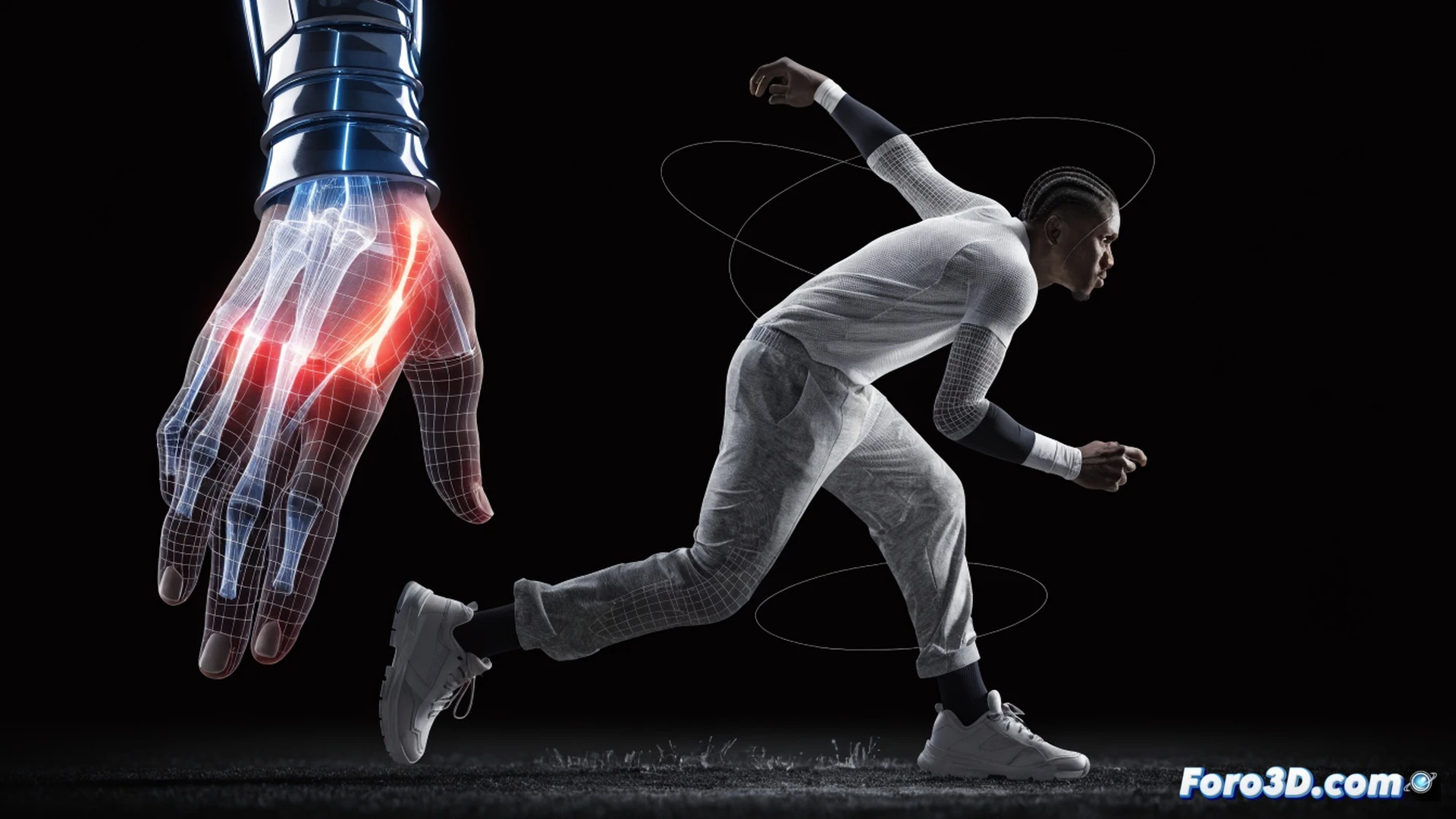
The kinetic model of batting: power and timing 🏏
Our 3D model reveals that Stubbs uses a more vertical swing plane than average, with a hip rotation reaching 45 degrees at impact. This generates an extended sweet spot. However, his Achilles' heel is the imbalance in his back foot during short deliveries, which reduces energy transfer efficiency by 12%. The volumetric reconstruction shows that his comfort zone is limited to a 1.2-meter radius from the stumps, a key piece of data for rival bowlers.
The mystery of the rubber wrist 🤖
The most curious aspect of the 3D model is his wrist. It seems Stubbs has it mounted with a toy spring. Instead of a straight shot, his bat describes a parabola reminiscent of a dog chasing its tail. Technicians call it innovation; we think it's an unpatched bug. If software engineers corrected that angle, perhaps he would stop looking like a robot with a fever. But hey, if it works, don't fix it.