Keshav Maharaj is not an ordinary bowler. His orthodox left arm hides a technical toolbox that challenges modern batsmen. In this 3D analysis, we break down two of his most effective weapons: sharp spin and pace variation. It's not magic, but biomechanics and millimeter control of the index finger. We dissect the physics behind his most lethal deliveries in current cricket.
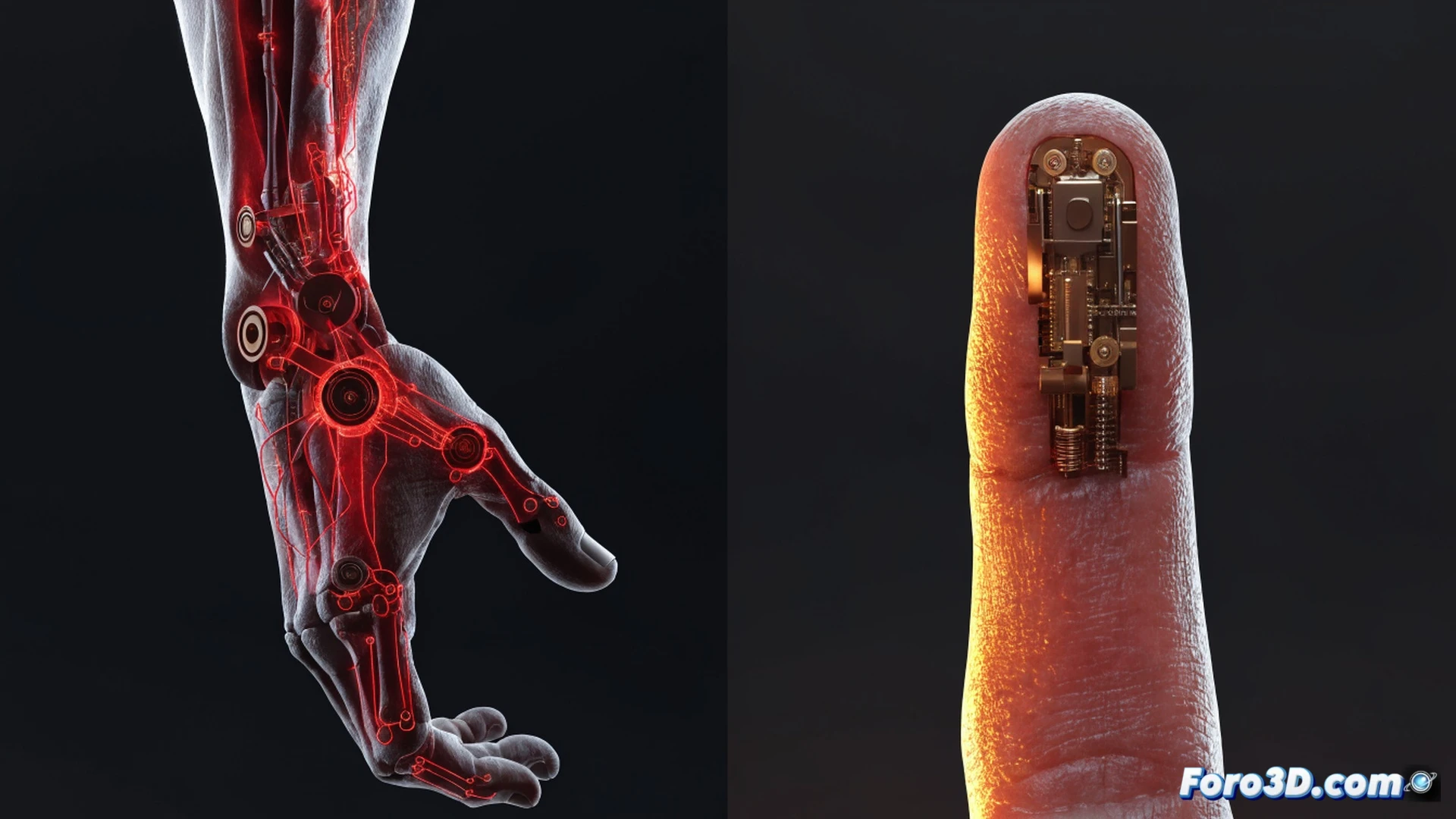
Biomechanics of spin: the role of the index finger and wrist 🏏
The 3D model reveals a key detail: Maharaj does not force spin with his arm, but synchronizes wrist rotation with index finger pressure on the seam. This action generates extra friction with the air, causing a lateral drift of up to 4 degrees on his stock ball. The release occurs 0.02 seconds earlier than in a standard delivery, reducing the batsman's reaction time. Vector analysis shows that the optimal impact point is 15 cm further forward from the crease, exploiting pitch wear.
The art of bowling a poisoned candy 🎯
They say Maharaj can make a ball spin more than a top on a coffee table. But the funniest part is seeing the batsman's face when he misjudges the bounce. In the 3D model, his arm ball looks like an innocent delivery until, halfway down, the trajectory deviates as if the ball had seen a ghost. The secret lies not in brute force, but in a subtle touch that turns a normal delivery into a bad joke for the opponent.