Sri Lanka's fast bowler, Dushmantha Chameera, is imposing not just because of his height. His biomechanics are a case study in modern cricket. We analyze the details of his action in 3D: the release angle, the front leg brace, and the hip rotation that generate that awkward bounce for batsmen. A technical model that explains why he is so effective on fast surfaces.
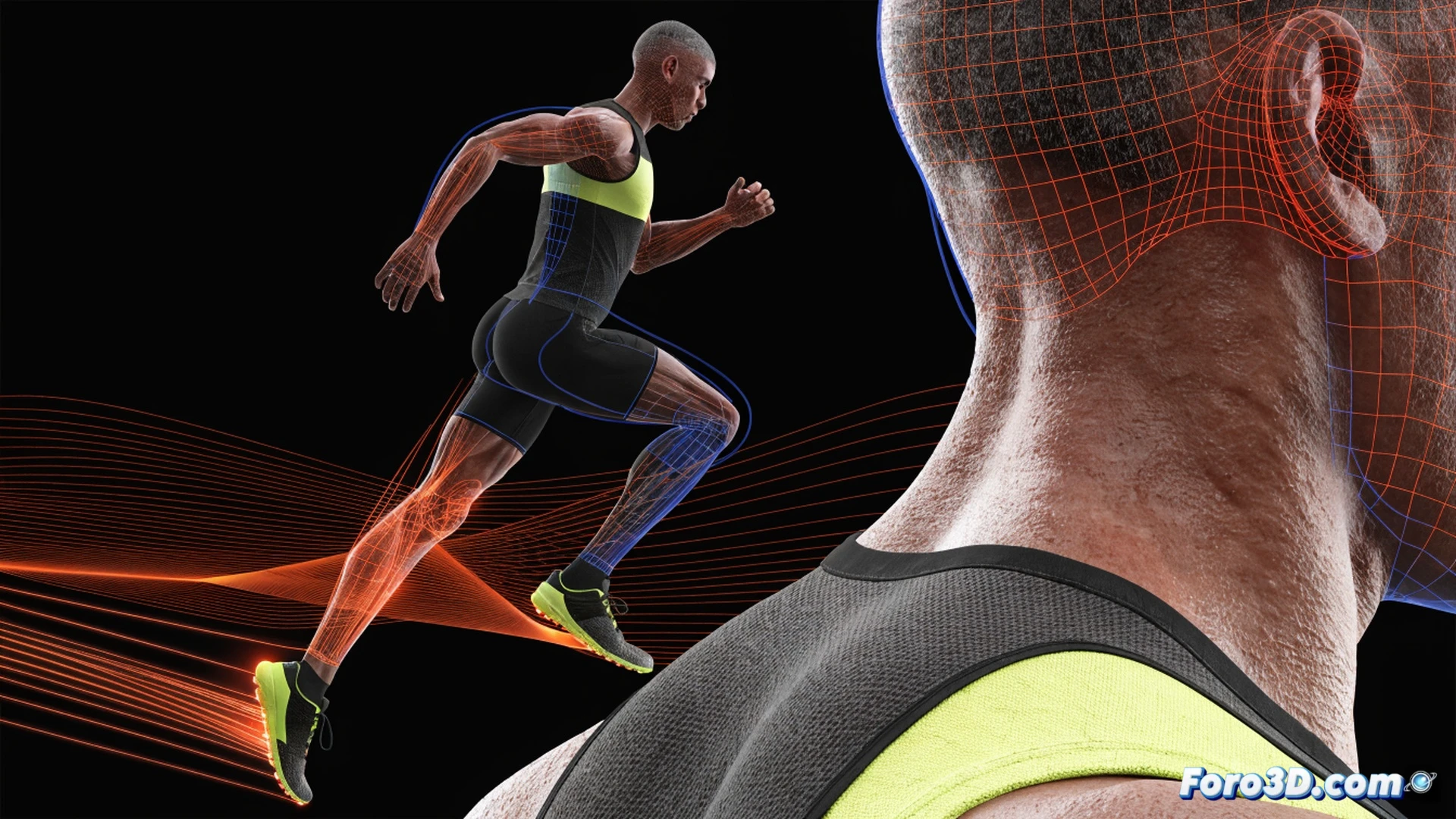
Kinematic modeling of the brace and release 🏏
When breaking down his delivery in 3D, a hip angle of 45 degrees is observed at the jump, which maximizes energy transfer. The wrist remains firm at the release point, generating a pronounced backspin. Vector analysis shows that his arm reaches an angular velocity of 2200 degrees per second, explaining the late swing. Pressure sensors on the landing foot reveal a load of 3.5 times his body weight, a critical data point for injury prevention.
The mystery of the shirt that never wrinkles 👕
What the 3D model cannot capture is how Chameera manages to make his shirt look freshly ironed after bowling at 145 km/h. Perhaps it's a side effect of his perfect biomechanics or a pact with Sri Lanka's official tailor. While engineers debate elbow angles, batsmen can only manage to return the ball to the bowler, wondering if his clothing might also be part of the trick.