Daryl Mitchell has established himself as a game-changer in modern cricket. His ability to read the play and execute under pressure is no coincidence. In this 3D analysis, we break down the biomechanical and technical characteristics that make this Kiwi batsman a key player, from his stance to the impact of the bat.
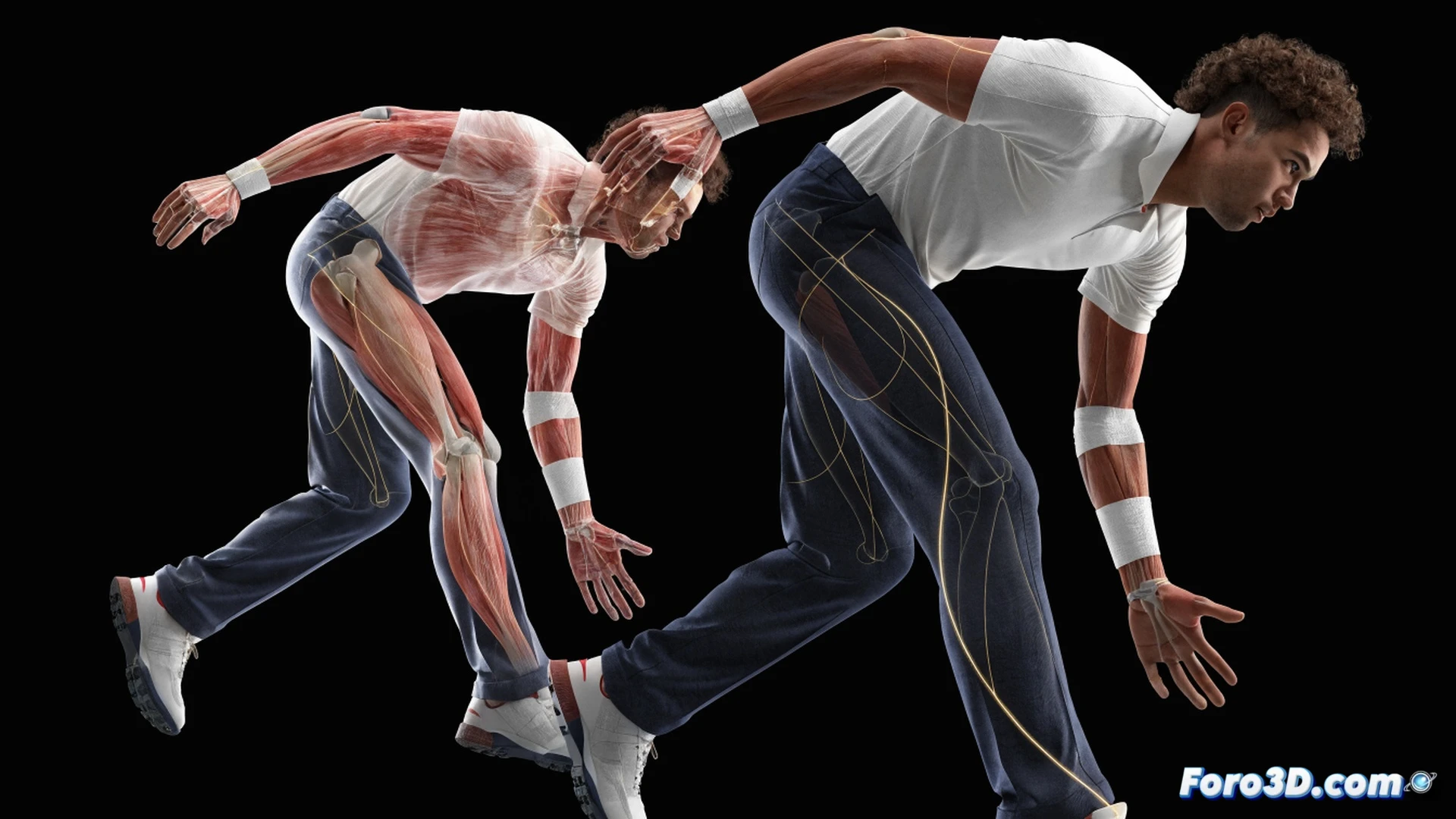
Biomechanical mapping and 3D line reading 🏏
The 3D model reveals a stable base and a low center of gravity that allows him to react to high-speed deliveries. His weight transfer is efficient, generating power without imbalances. Kinematic analysis shows that his head remains still until the last moment, optimizing contact precision. Additionally, his batting angle adjusts dynamically based on the ball's line, a pattern that motion capture systems can replicate for training.
The mystery of the magic cap (and the beard) 🧢
3D sensors confirm that his cap has no hidden chips, although many opponents suspect it. The real magic lies in the beard: it acts as a natural aerodynamic stabilizer. According to data, a strong crosswind messes it up and reduces his average by 0.3 runs. Science advances, but Mitchell's secret remains not scratching his head when he misses a shot.