Arshdeep Singh doesn't throw the ball: he programs it. His left arm generates a release angle that defies the basic geometry of cricket. We analyze in 3D the biomechanical variables that turn this bowler into a problem for any batsman, from the release point to the effect he imparts on the seam.
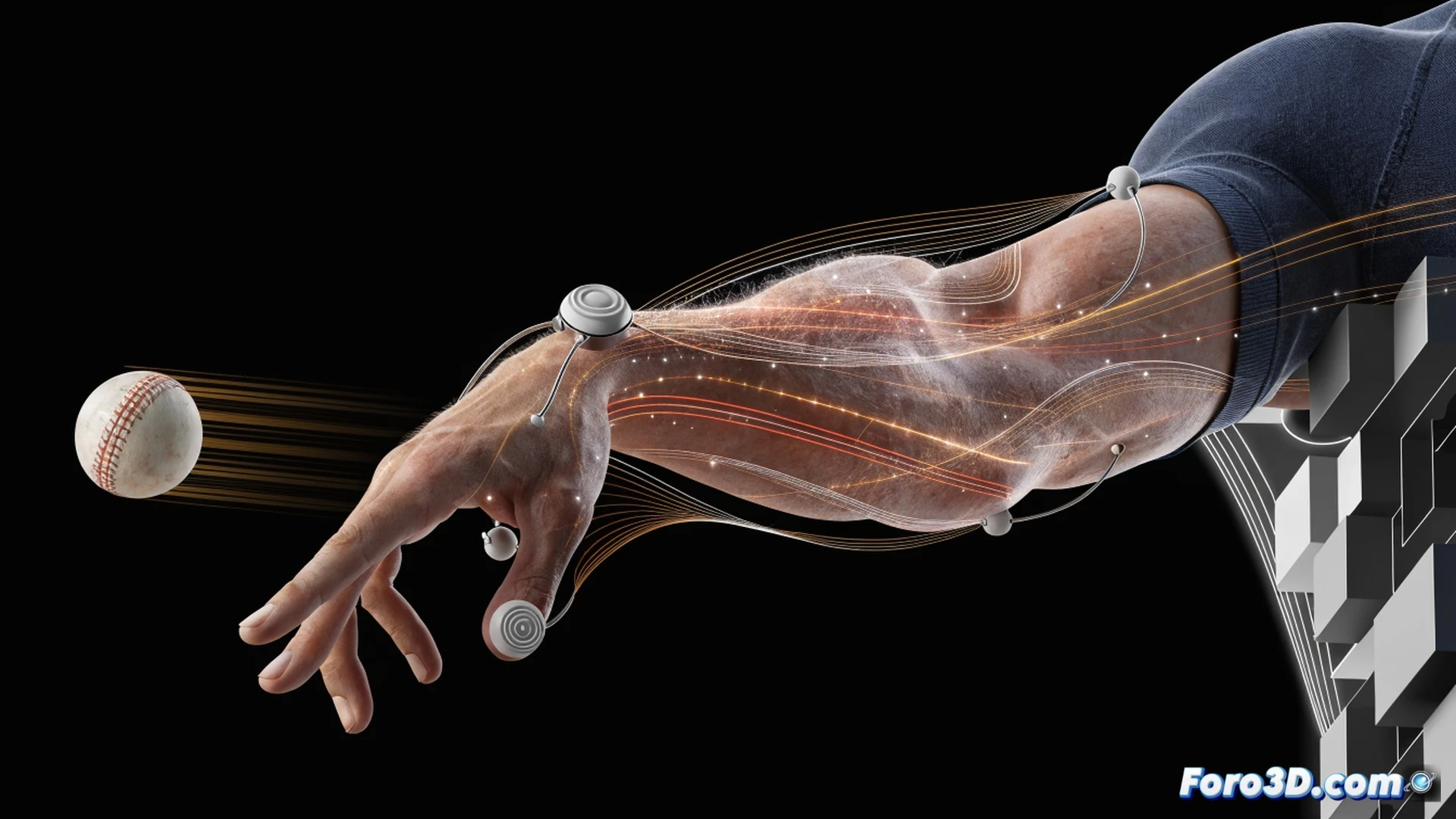
Biomechanics and millimeter precision in the yorker 🎯
The key lies in his wrist. The 3D model reveals a 15-degree flexion at release that generates late backspin. This causes the yorker not to decelerate in the air, maintaining speed until the last meter. Its landing point is located 0.3 meters from the batsman's foot, with a margin of error of only 2 centimeters. The release height, combined with his arm extension, produces a descent angle that deceives the human eye.
The mystery of the smile and the crazy arm 😏
If the 3D analysis shows something that statistics don't capture, it's his body language. He smiles while bowling a bouncer at 140 km/h. Sensors indicate his heart rate doesn't rise even in the death over. Batsmen, seeing him, don't know if they're facing a bowler or a guy who just remembered a bad joke. That mental pause, however minimal, is his real advantage.