Immanuel Quickley is not your typical point guard. His game is defined by a combination of explosive agility and ball handling that allows him to create space in high-pressure situations. In this 3D analysis, we break down his signature moves, from lateral dribbling to the changes of pace he uses to disorient defenders in the paint.
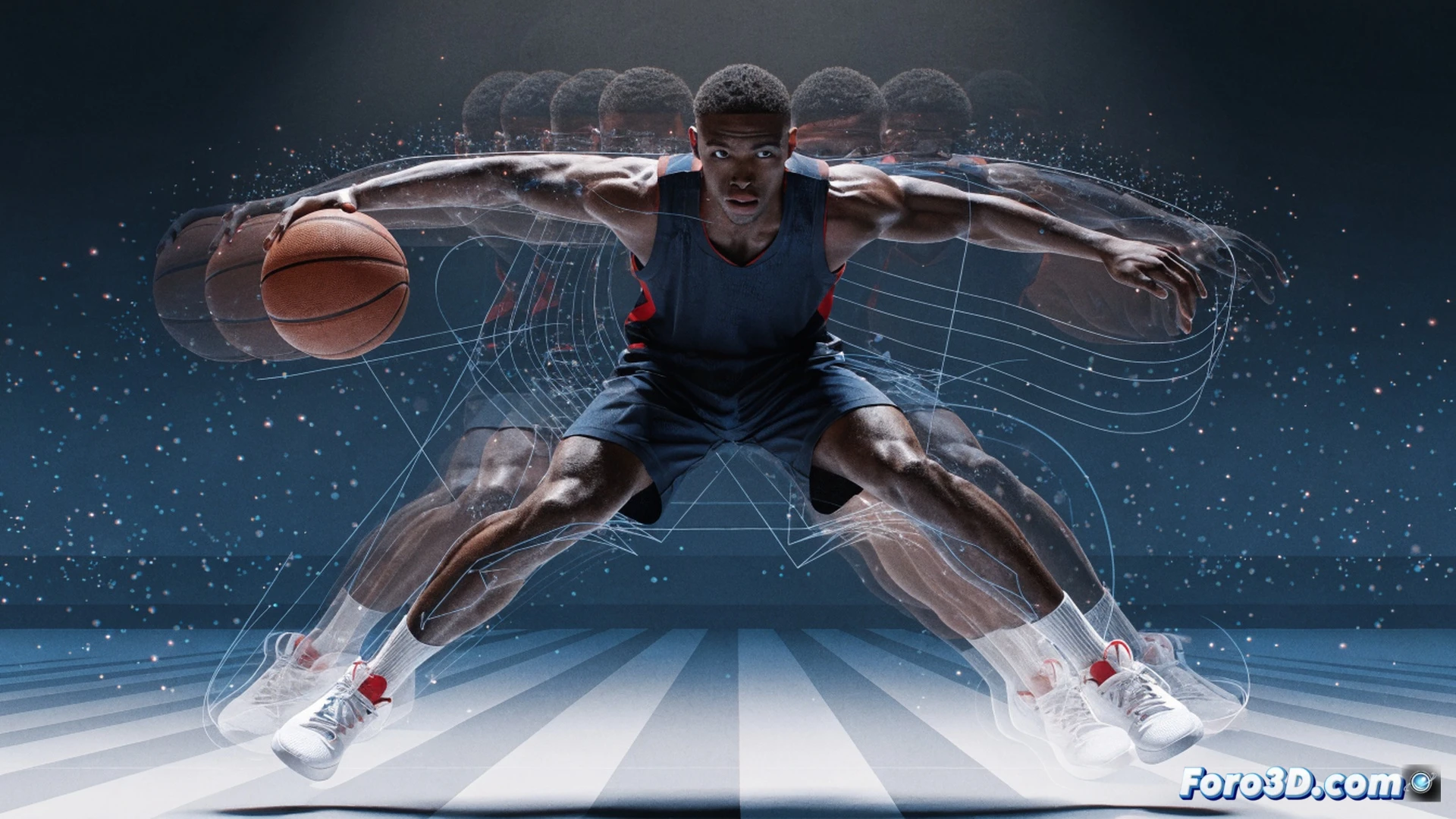
Biomechanics of Direction Changes in His Offensive Game 🏀
The three-dimensional analysis reveals that Quickley uses a low center of gravity to execute abrupt stops. His pivot foot creates a 45-degree angle that allows him to come off the pick-and-roll with an advantage. The synchronization between the dribble and hip rotation is key: in 0.3 seconds, he goes from zero speed to maximum acceleration. This, combined with a jump shot featuring a quick release, makes him a constant problem for slower defenders.
Instruction Manual for Defending Him (Spoiler: It Doesn't Work) 😅
If you are a defender and you see Quickley make that drive fake, the best thing you can do is pray. Because if you bite on the fake, he leaves you sitting there watching him hit a three-pointer. If you hang back, he nails a layup. 3D analyses show that his brain processes options faster than your knee takes to turn. The real solution: hope he misses the shot, which happens, but not as often as you'd like.