Hugo Ekitiké, Eintracht Frankfurt striker, is a curious case in modern football. His profile combines height, speed, and technique, but his actual performance often does not reflect the potential suggested by his physical attributes. We analyze his movements and decision-making in 3D to understand why he is a project under constant construction.
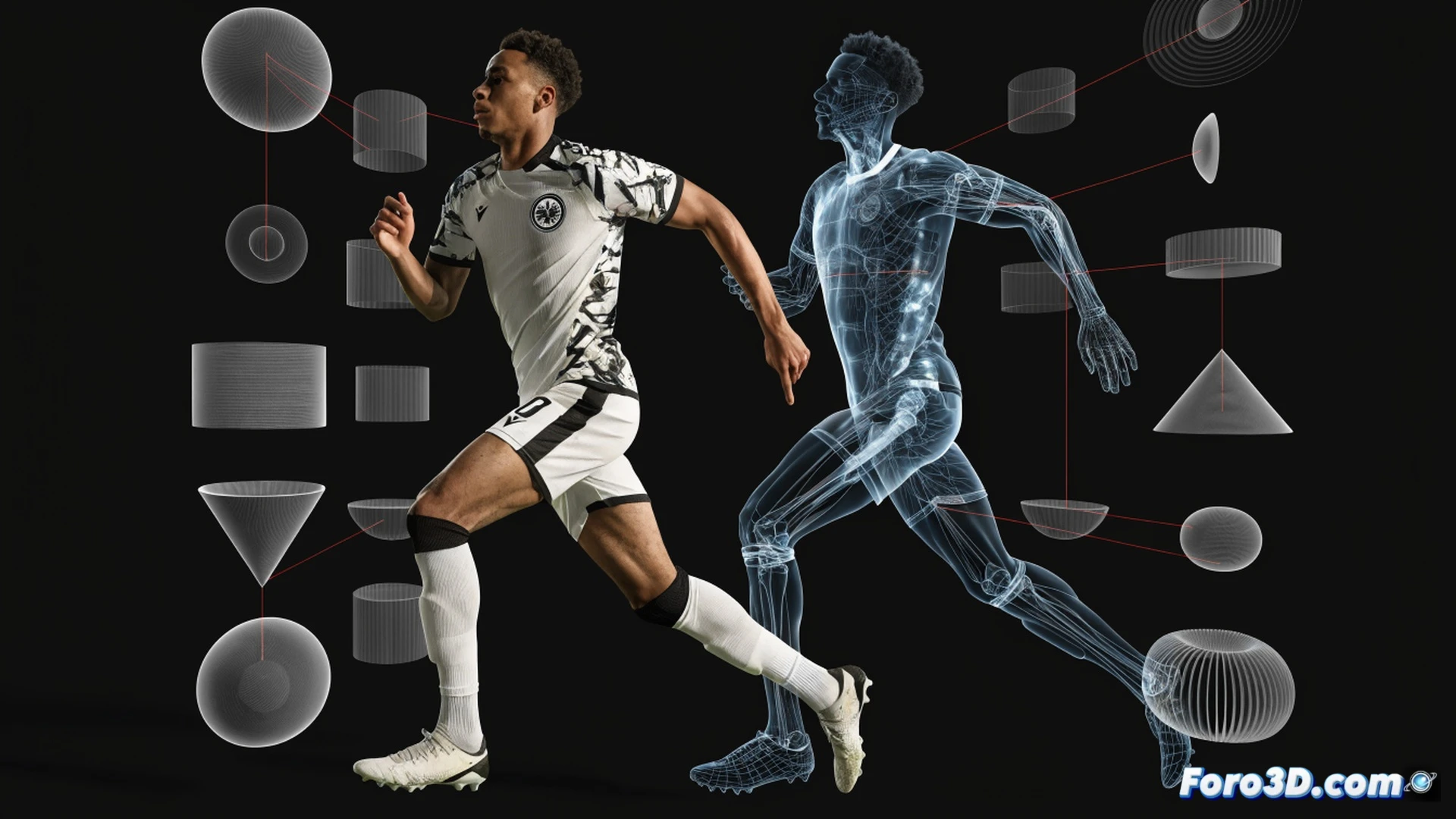
The variable geometry of his runs and finishing 🧠
From a tactical standpoint, Ekitiké stands out for his ability to drop to the wings and receive the ball with his back to goal, creating offensive triangles. His long stride allows him to get behind the defense, but his pre-scanning is limited. Tracking data shows he often makes poor decisions regarding the timing of passes or shots, wasting 30% of his runs in behind. His accuracy in the final third is improvable.
When physique alone is not enough to be a killer ⚡
Watching Ekitiké is like having a car with a Formula 1 engine but bicycle brakes. He runs, gets in front of the goalkeeper, and then remembers he also has to score. His relationship with goals is intermittent: sometimes he looks like a top striker, and other times, like an intern who walked in by mistake. If he improves his decision-making, even his shadow will be scared; if not, he will remain the meme of efficiency.