Gianluigi Donnarumma is not just any goalkeeper. His wingspan and reflexes make him a case study for 3D analysis. From his positioning to the biomechanics of his dives, this analysis breaks down the characteristics that make him effective between the posts, using data and volumetric modeling.
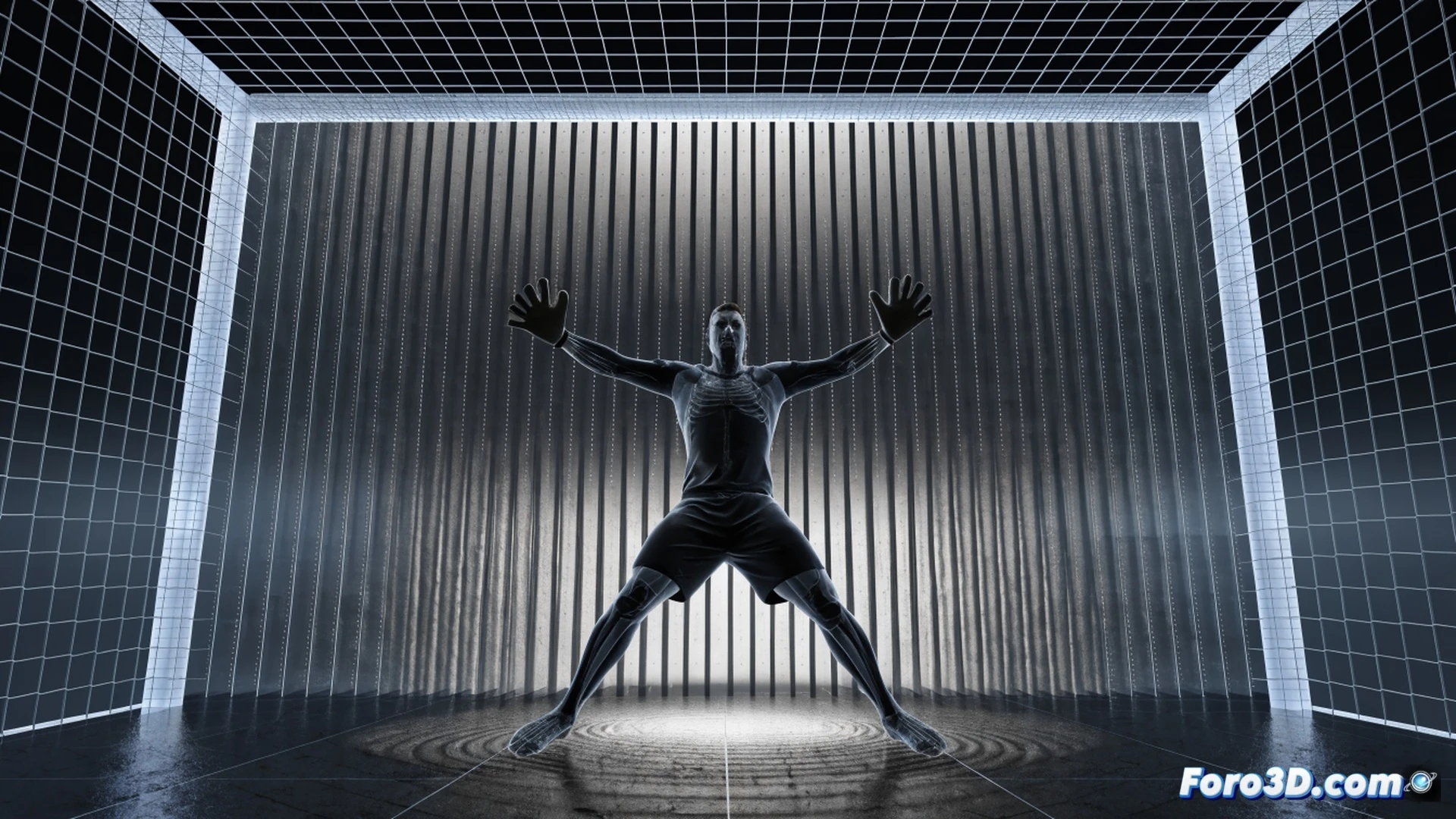
Biomechanics and positioning in the six-yard box 🧤
In 3D modeling, Donnarumma stands out for his ability to cover angles with his body. At 1.96 m tall, his arm span reduces the effective shooting space. Analysis of his lateral movements shows efficient weight transfer, allowing quick reactions over short distances. Heat maps indicate that his comfort zone is the goal line, where his vertical reach neutralizes high shots.
The paradox of the giant who doesn't fly 🐱
Watching Donnarumma in 3D is like observing a built-in wardrobe with cat-like reflexes. His body takes up so much space that sometimes forwards shoot thinking about the goal and end up hitting him instead. The funny thing is that, despite his size, he doesn't need to fly like others; he just opens his arms and the ball crashes into his torso. He is the only goalkeeper who can stop a penalty without moving, just by the opponent's miscalculation.