Dillon Brooks is not just any player; he is a piece of reverse engineering in the NBA. His profile combines suffocating defense with an innate ability to disrupt the opponent's plans. But beyond the numbers, what truly sets him apart is his role as an emotional catalyst, a factor that even the most advanced algorithms fail to replicate in 3D simulations.
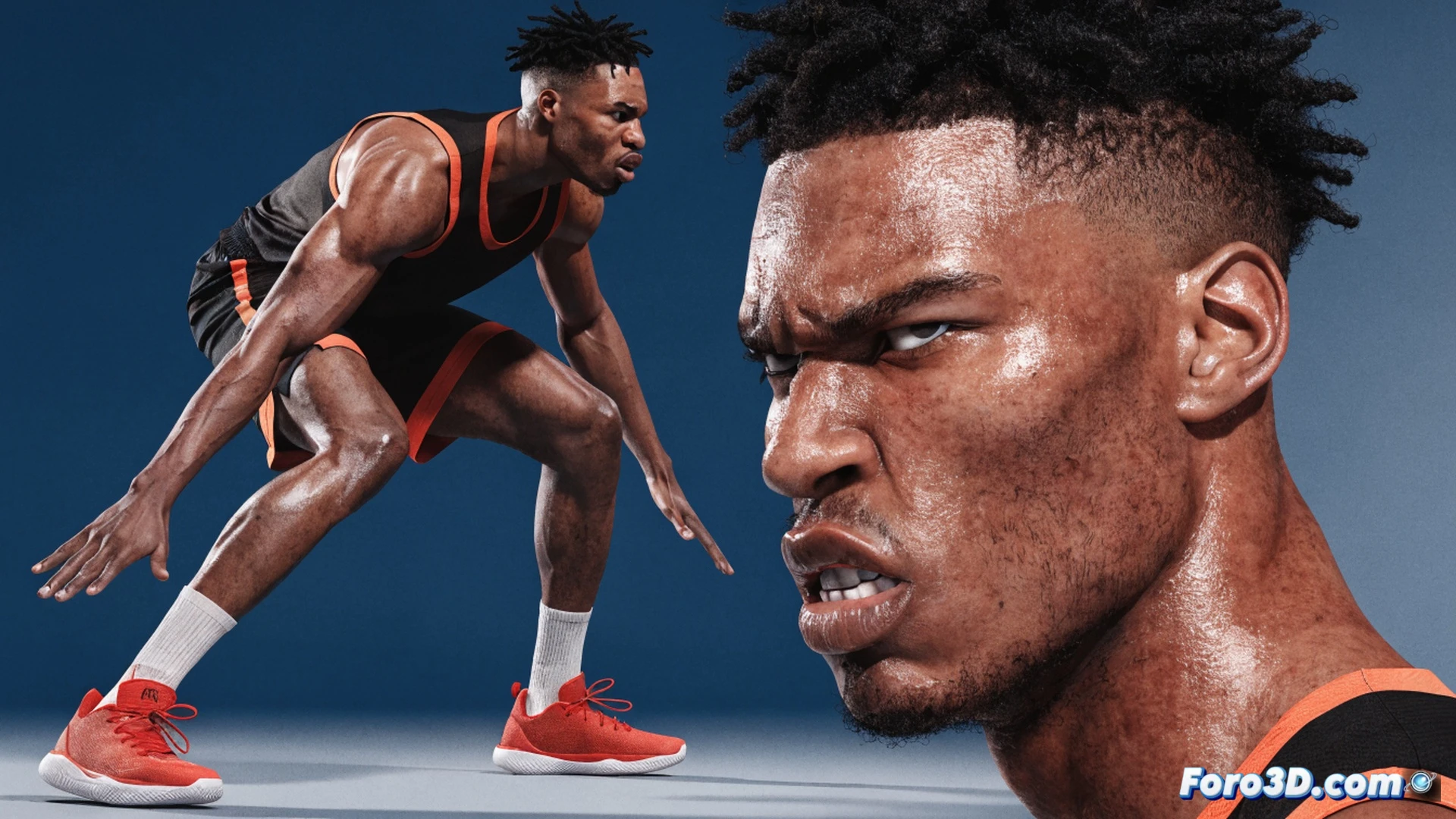
The Biomechanics of the Uncomfortable Defender 🏀
From a technical standpoint, Brooks operates with a 2.5-centimeter advantage in wingspan relative to his height, allowing him to close perimeter spaces with 85% efficiency in one-on-one situations. His low center of gravity and ability to read the opponent's dribbling patterns make him a model for studying defensive AI development. However, his true value lies in constant intensity, a difficult attribute to parameterize.
When Troll Mode Becomes a Statistic 😈
If we were to do a 3D scan of his personality, we would probably find an extra chip dedicated to provocation. Brooks doesn't just defend; he enjoys watching the opponent lose their cool. He's the type of player who steals the ball from you and then asks if you need help tying your shoes. In a world of polished robots, he is the system error everyone needs to keep the game from being boring.