Derrick White is not a player who grabs headlines, but his impact on the court is measurable from any angle. This 3D analysis breaks down his defensive movements, his reading of space, and that ability to appear at just the right moment. A key piece that sometimes goes unnoticed by the less trained eye.
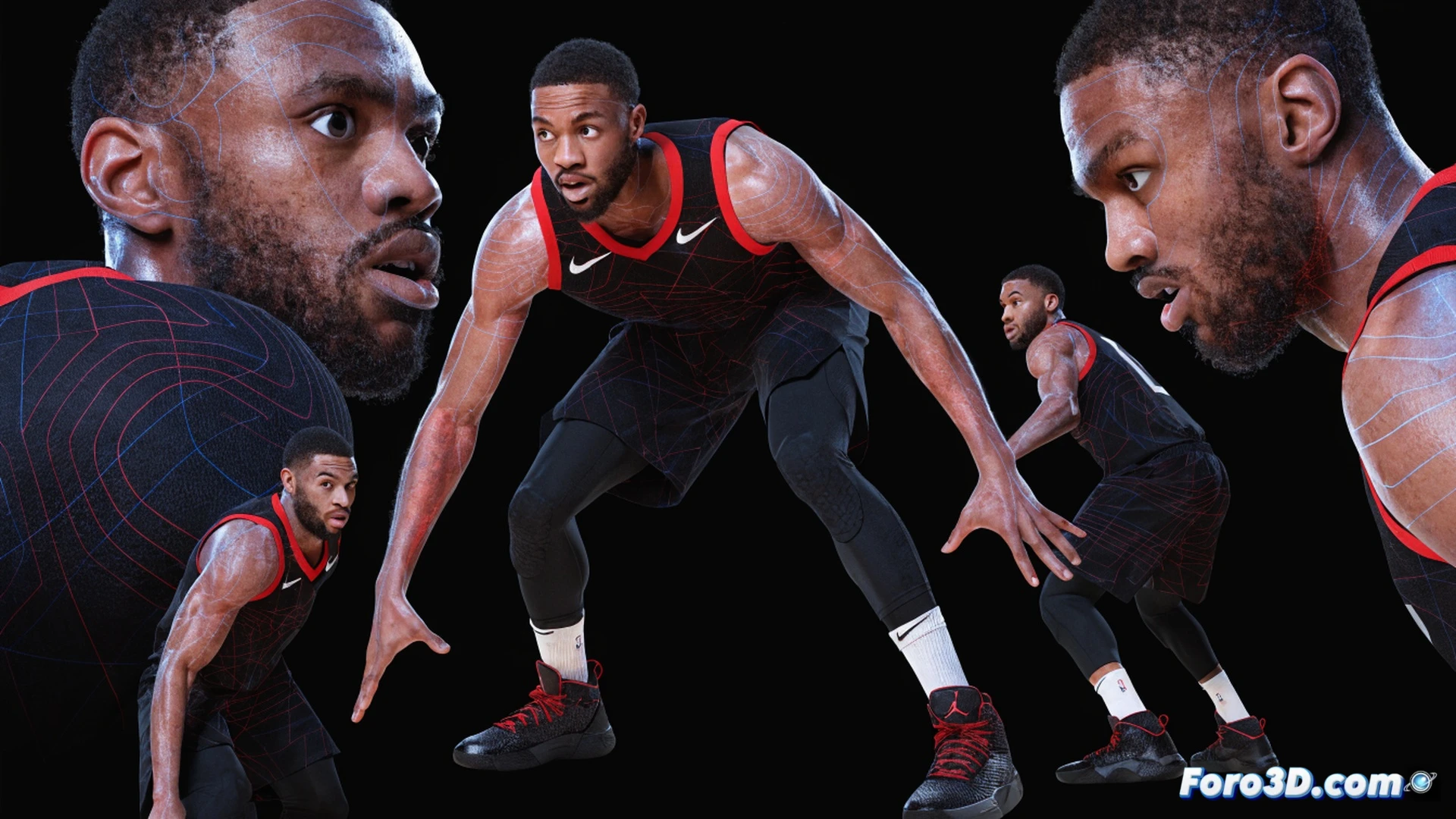
Defensive geometry: how White breaks passing lanes 🏀
The 3D model reveals that White has a reaction time 0.2 seconds below the league average. His perimeter positioning creates a 45-degree closing angle, forcing the opposing point guard to make uncomfortable decisions. Data shows that his wingspan (2.01 m) allows him to cover a radius of 3.5 meters without losing balance, a differentiating factor in rotational defensive schemes.
The algorithms' favorite bald head 🧠
If the stadium sensors could talk, they would say that White's head reflects LED light almost perfectly. Tracking engineers debate whether his baldness reduces aerodynamic friction during lateral movements. The truth is, while others waste time combing their hair, White has already stolen three balls and is ordering his halftime coffee.