Since January 2026, the new High Seas Treaty regulates two-thirds of the ocean that were previously no man's land. This international agreement sets limits on overfishing, seabed mining, and other harmful activities. For citizens, it means a healthier ocean that benefits the climate and global food supply. There is now a common law to protect what belongs to all of humanity.
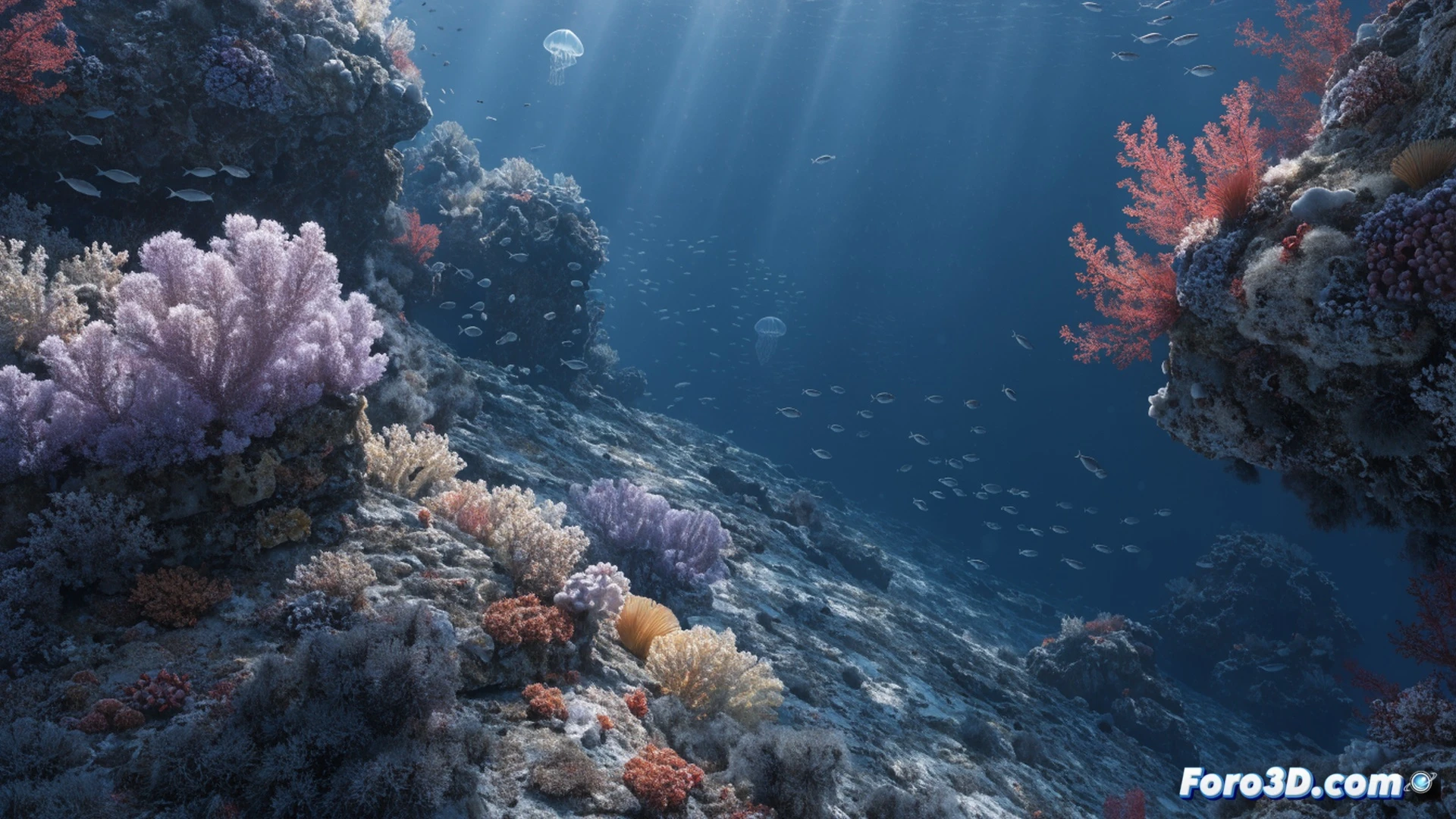
Satellites and sensors: the technology watching the deep blue 🌊
The treaty's enforcement relies on advanced satellite monitoring systems and acoustic sensors deployed on ocean buoys. These devices track fishing activity in real time and detect intrusions into protected areas. The data is processed with artificial intelligence to identify patterns of illegal fishing or potential mining drilling. Although surveillance is complex in such a vast area, technology enables continuous monitoring that was previously impossible.
The ocean gets its act together (and asks us to stop polluting) 🐟
Turns out the sea, that place we always saw as a giant, free dumpster, now has rights. Fishing boats will have to ask for permission like they're visiting their mother-in-law. And the seabed miners, those who dreamed of drilling the ocean floor, have run into an international fine. In the end, the ocean has told us: either you take care of me or you go without dinner. And we, like good tenants, have had to sign the lease.