In a world where any rumor flies faster than a verified fact, digital literacy and critical thinking have become survival tools. It's not just about knowing how to use an app, but about distinguishing a fact from a hoax. Programs that teach how to read between the lines, verify sources, and question headlines are the vaccine against the epidemic of fake news that saturates our screens.
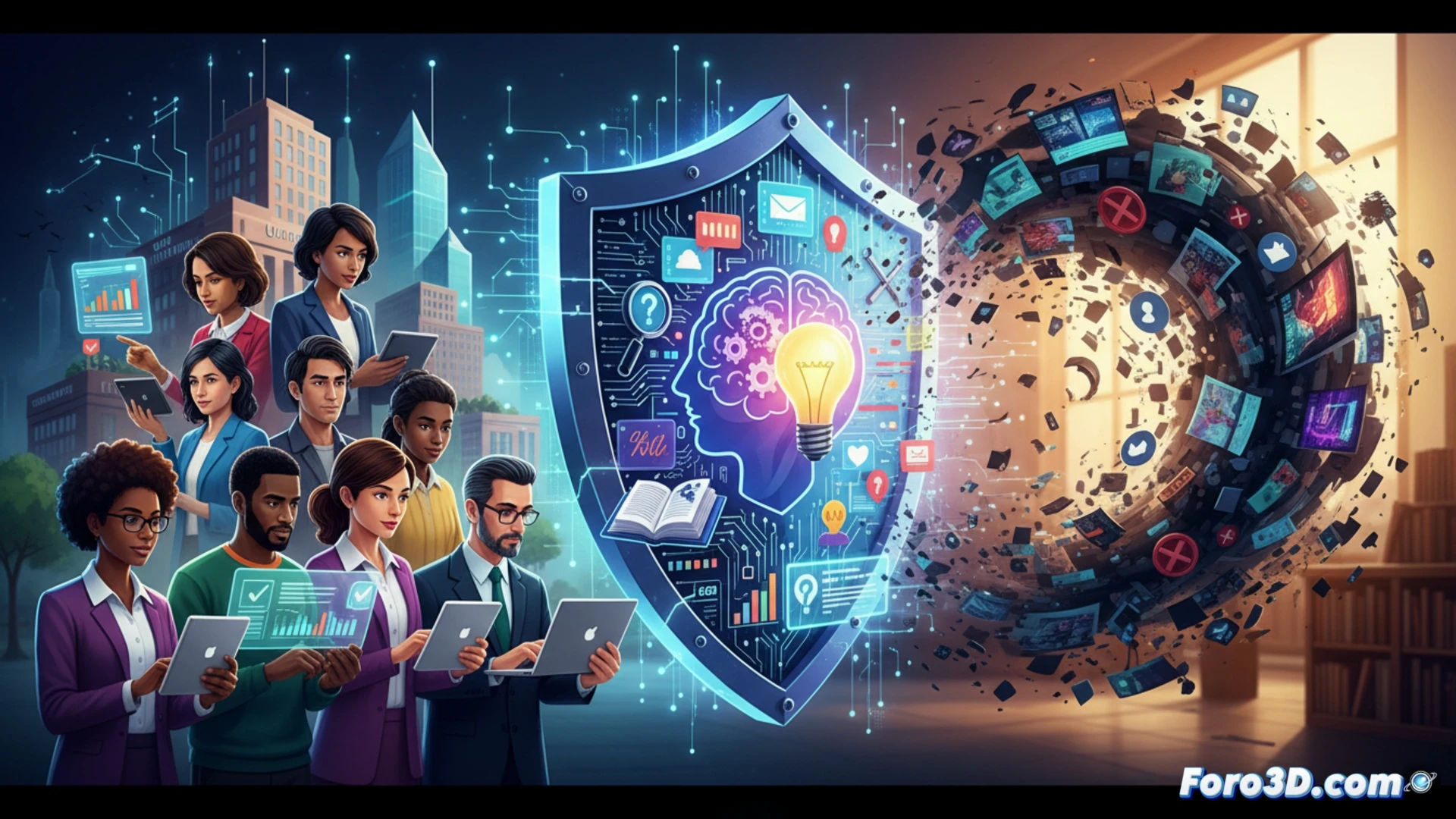
Open source and verification: pillars of a critical digital citizenship 🛡️
Technology offers concrete resources to combat misinformation. Tools such as fact-checking extensions, open-source databases, and algorithmic bias analysis platforms allow users to trace the origin of a news story. Integrating these resources into educational programs, along with safe browsing practices and deepfake detection, equips people with a practical filter. It's not magic, it's methodology: teaching to ask who benefits from what we read.
The algorithm that wants you dumb (and how to vaccinate yourself) 🤖
Algorithms know us better than our families. They know that a scandalous headline makes us click faster than a boring one. That's why digital literacy also involves distrusting that invisible friend who decides what we see. The irony is that to be critical, sometimes you have to think like a bot: does this make me angry? Does it scare me? Perfect, then it's probably a lie. So, before sharing, take a breath and ask yourself if they aren't selling you a pack of lies.