Hackers have begun using fake Microsoft alerts to trick ordinary users. Clicking on these messages downloads malware called NarwhalRAT, created by North Korean groups. This virus can steal personal data, passwords, and access bank accounts. The recommendation is clear: do not trust unexpected messages that appear official and avoid unverified links. Digital security depends on staying calm when faced with any suspicious notice.
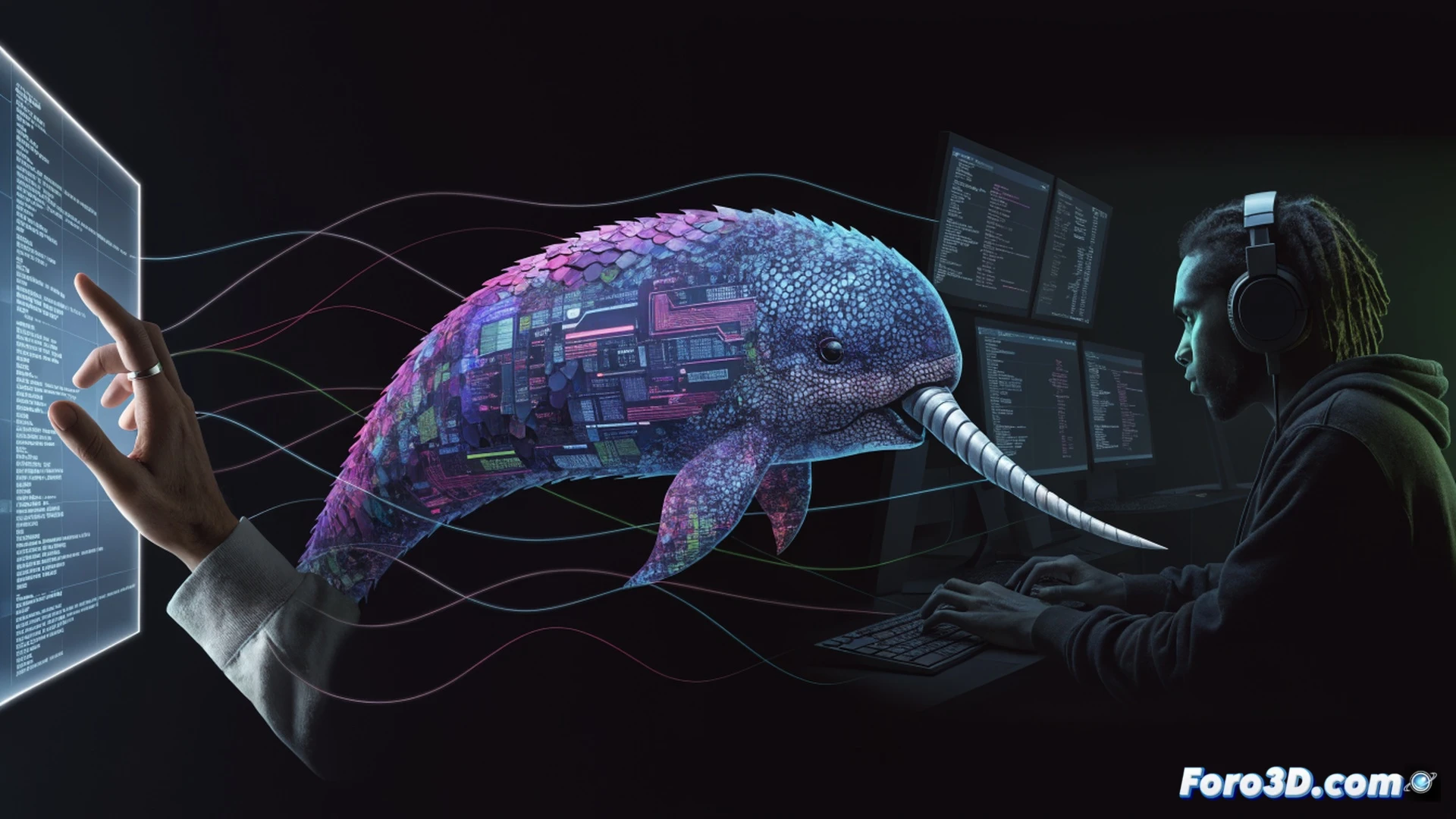
How the NarwhalRAT malware operates on Windows systems 🛡️
NarwhalRAT is a remote access trojan that disguises itself as a Microsoft security update. Once installed, it establishes communication with servers controlled by the attackers. The malware extracts credentials stored in browsers, captures keystrokes, and accesses local files. Its design allows it to evade common antivirus software using code obfuscation techniques. Experts recommend verifying any system notification from the Windows settings panel itself, not from external links.
Microsoft doesn't ask you for data, but hackers do insist 😅
It's curious that, despite decades of warnings, we still fall for the same trick: a pop-up window that says update your PC and we rush to click as if it were a reflex contest. Now, besides wasting time, we lose our bank account. The most ironic thing is that Microsoft will never call you to say your computer has a virus. If someone does, they are probably looking for you and your money to take an unplanned vacation to North Korea.