The German Red Cross has issued a serious warning: blood reserves barely cover three or four days of hospital demand. In summer, donations drop while medical centers maintain their activity. The solution lies in more people coming forward to donate, even in the heat, following guidelines such as drinking three liters of water and avoiding the sun.
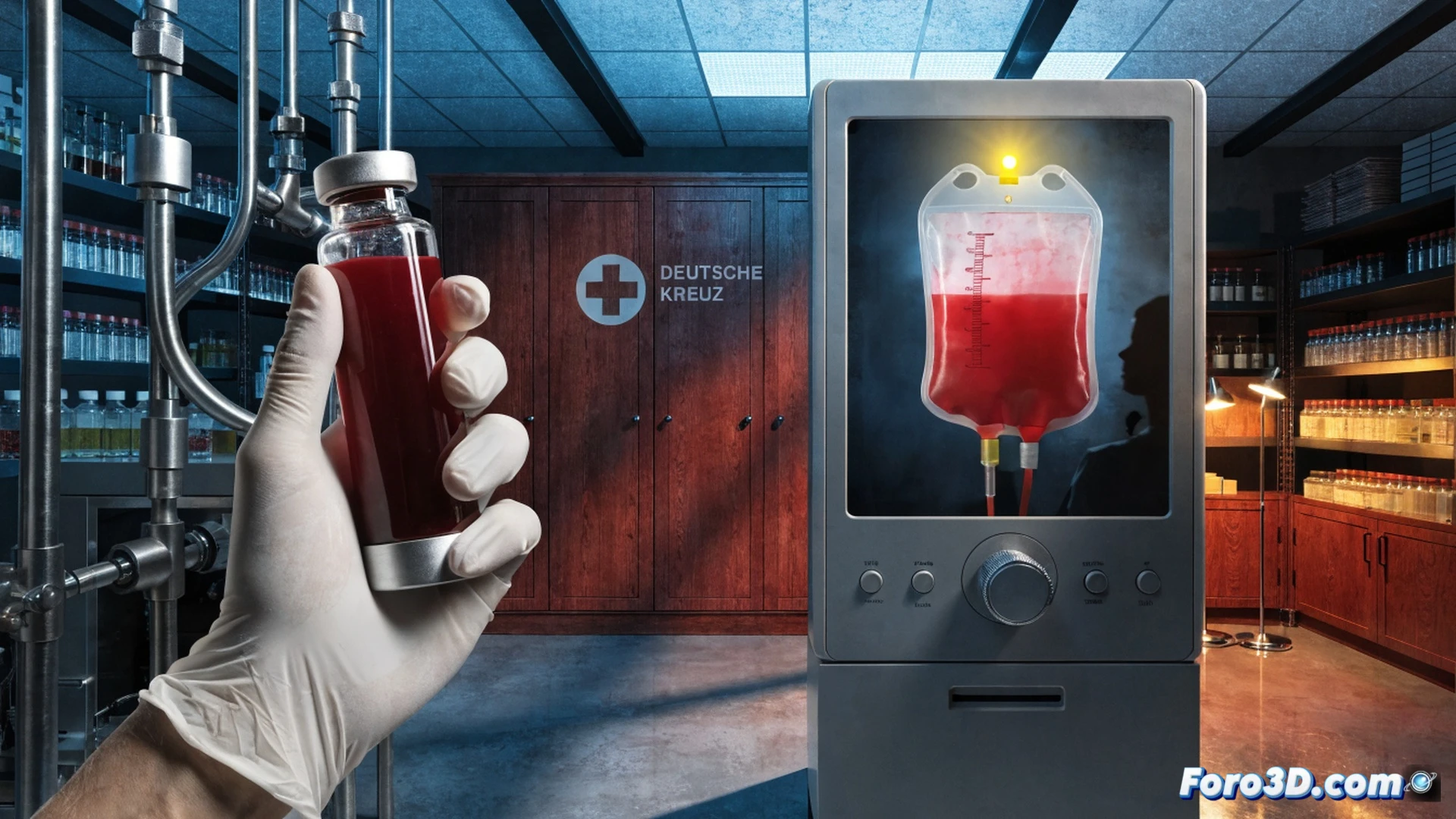
The logistical challenge of maintaining blood supply during holidays 🩸
From a technical standpoint, the cold chain and stock management are critical. Each blood unit has a shelf life of 42 days for red blood cells and only 5 for platelets. In summer, the lower influx of donors forces optimization of transport routes and prioritization of hospitals with more emergencies. Digital appointment systems and mobile alerts attempt to mitigate the deficit, but human response remains the limiting factor.
Donating blood in August: the perfect plan to avoid the beach 😅
Sure, because nothing screams responsible vacation more than chugging three liters of water, sweating buckets on a stretcher, and leaving with a bandage on your arm. While others are fighting over a towel on the sand, you can be saving lives and, incidentally, justifying that you're not swimming because you're replenishing fluids. Of course, no physical exertion: you'll have plenty of time to run when your kidneys start screaming from all that hydration.