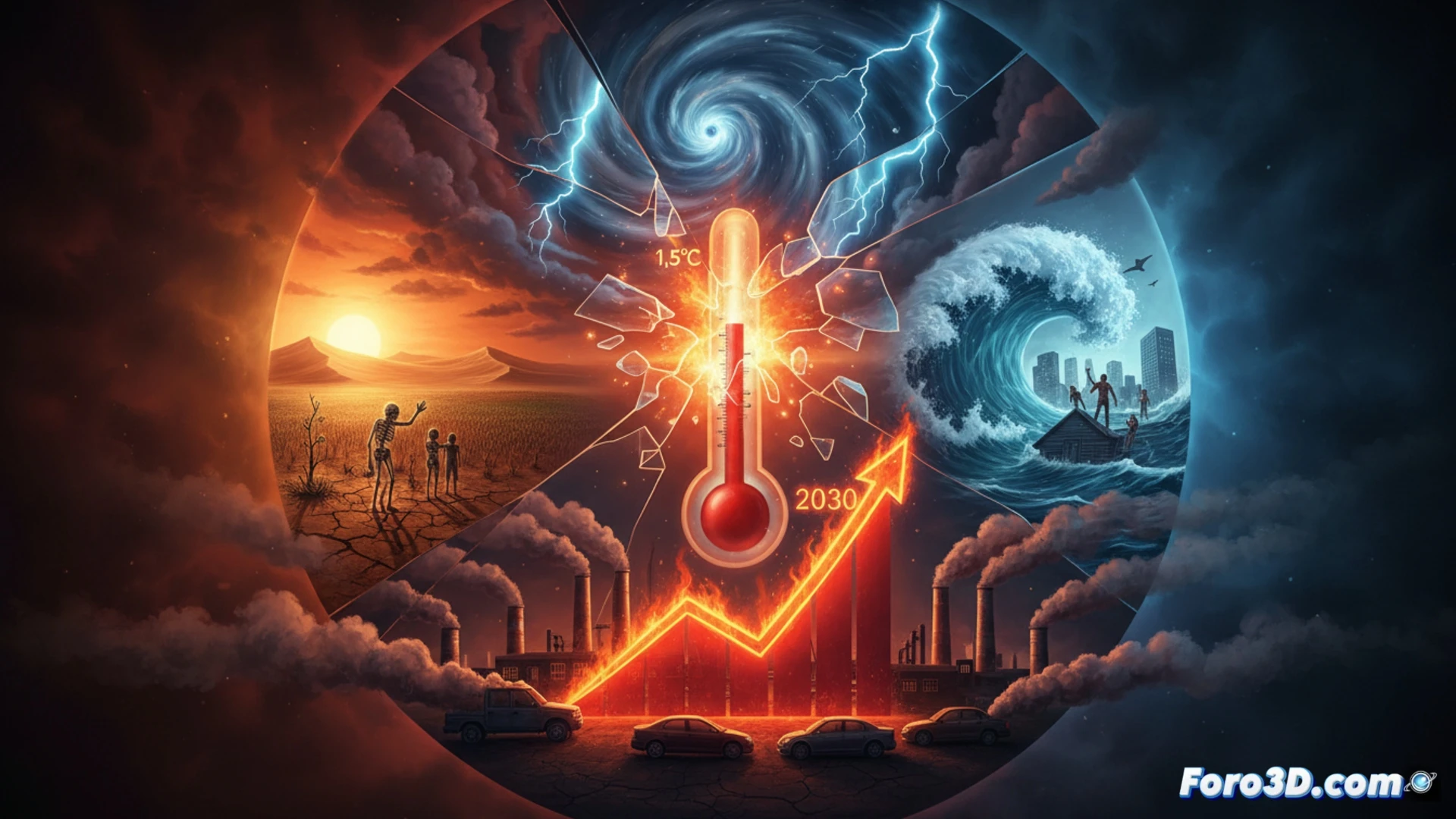
A new global report issues a direct warning: if polluting emissions are not reduced immediately, global warming will exceed the 1.5°C limit in less than six years. This is not a distant problem; citizens are already noticing it with more intense heatwaves, prolonged droughts, and extreme events that drive up the price of food and electricity. Health and family finances are at stake, and curbing emissions has become an urgent, non-negotiable priority.
Technology against the clock: renewables and storage as a way out 🌱
The technical solution exists and is mature. Renewable energies, such as solar and wind, are already cheaper than fossil fuels in most regions. The real bottleneck is large-scale storage and the modernization of electrical grids. Without efficient batteries and intelligent management systems, we will not be able to integrate all that clean energy. Investing in these technologies is not an option; it is the only way to prevent the global thermometer from soaring and energy costs from continuing to rise.
Final solution: turn off the Sun or raise the AC to 28°C 😅
Given the situation, perhaps we should consider creative solutions. For example, turning off the Sun during peak hours or installing a giant global thermostat. Or, more realistically, raising the air conditioning temperature to 28°C in all offices. That way we save electricity and, in the process, acclimatize to the new planetary oven. After all, by the time 2030 arrives, we might not even need heating in winter. Of course, someone should warn the farmers, just in case the bread gets toasted before it reaches the oven.