Germany has decided to combine P-8 Poseidon maritime patrol aircraft with MQ-9B SeaGuardian drones to track Russian submarines in the North Atlantic and the Baltic Sea. This strategy aims to respond to the increased submarine activity by Russia in the region. For German taxpayers, this means a new line item in the defense budget that could compete with other public needs.
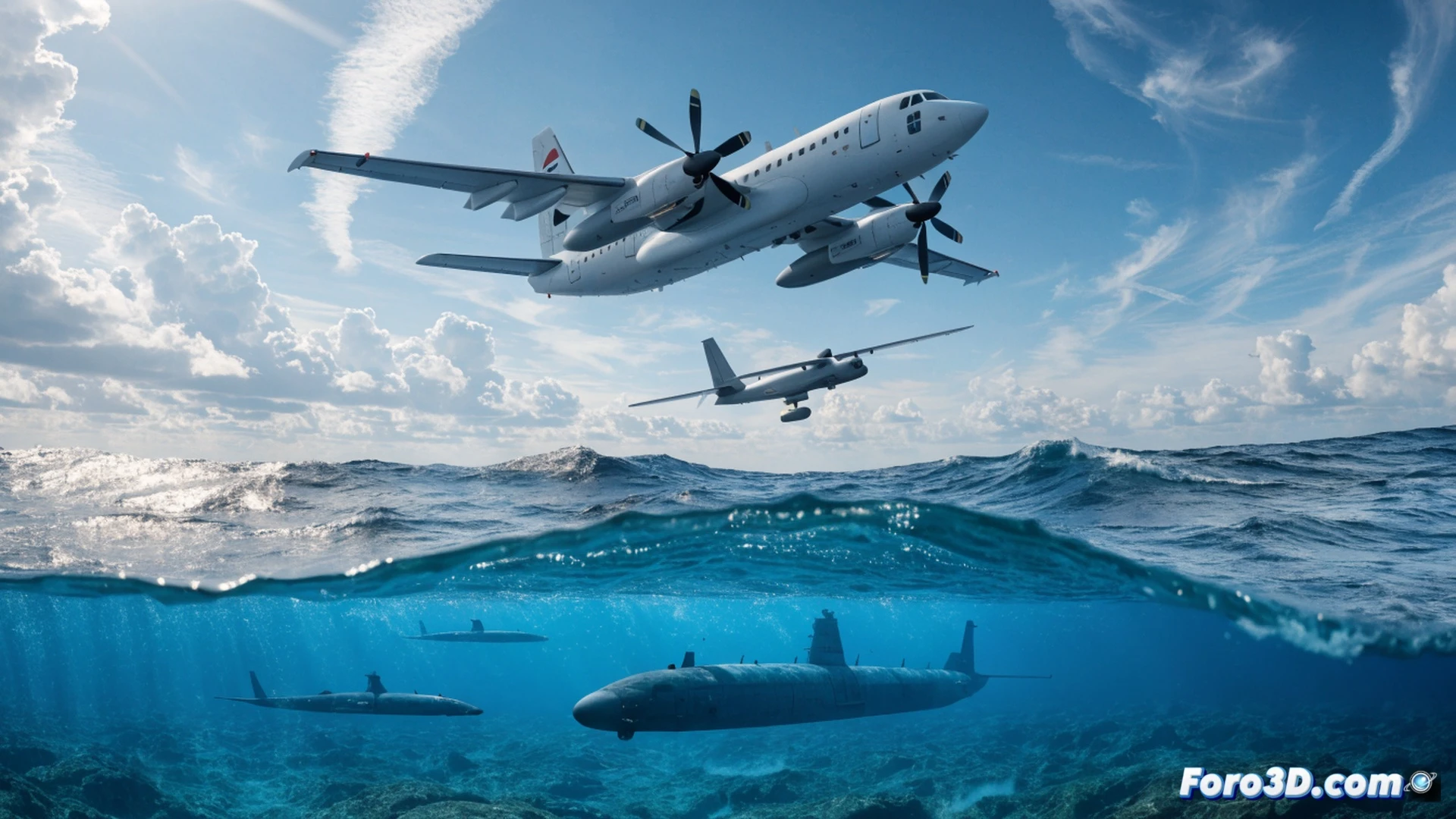
Drones and Sonobuoys: The New Anti-Submarine Duo 🛩️
The P-8 Poseidon will be responsible for launching sonobuoys to detect submerged targets, while the MQ-9B SeaGuardian drones will maintain continuous surveillance for up to two days. This combination allows covering vast ocean areas without relying solely on manned flights. The drones can operate at medium altitudes and carry advanced sensors, facilitating real-time threat identification and reducing operational costs per flight hour.
The Russian Submarine Can No Longer Play Hide and Seek 🕵️
Russian submarine commanders will have to find new hobbies, because the underwater game of hide and seek is over for them. With a drone that never sleeps and an aircraft that drops buoys like confetti, any periscope that pops up will be detected before the captain finishes his coffee. Of course, the Germans hope the budget doesn't end up as sunk as the submarines they are chasing.