Germany has failed in its attempt to secure a temporary seat on the UN Security Council, the body responsible for approving sanctions and authorizing military actions. Portugal and Austria took the two available seats for the 2027-2028 term. Without this position, Berlin loses direct influence over global decisions on peace and international security.
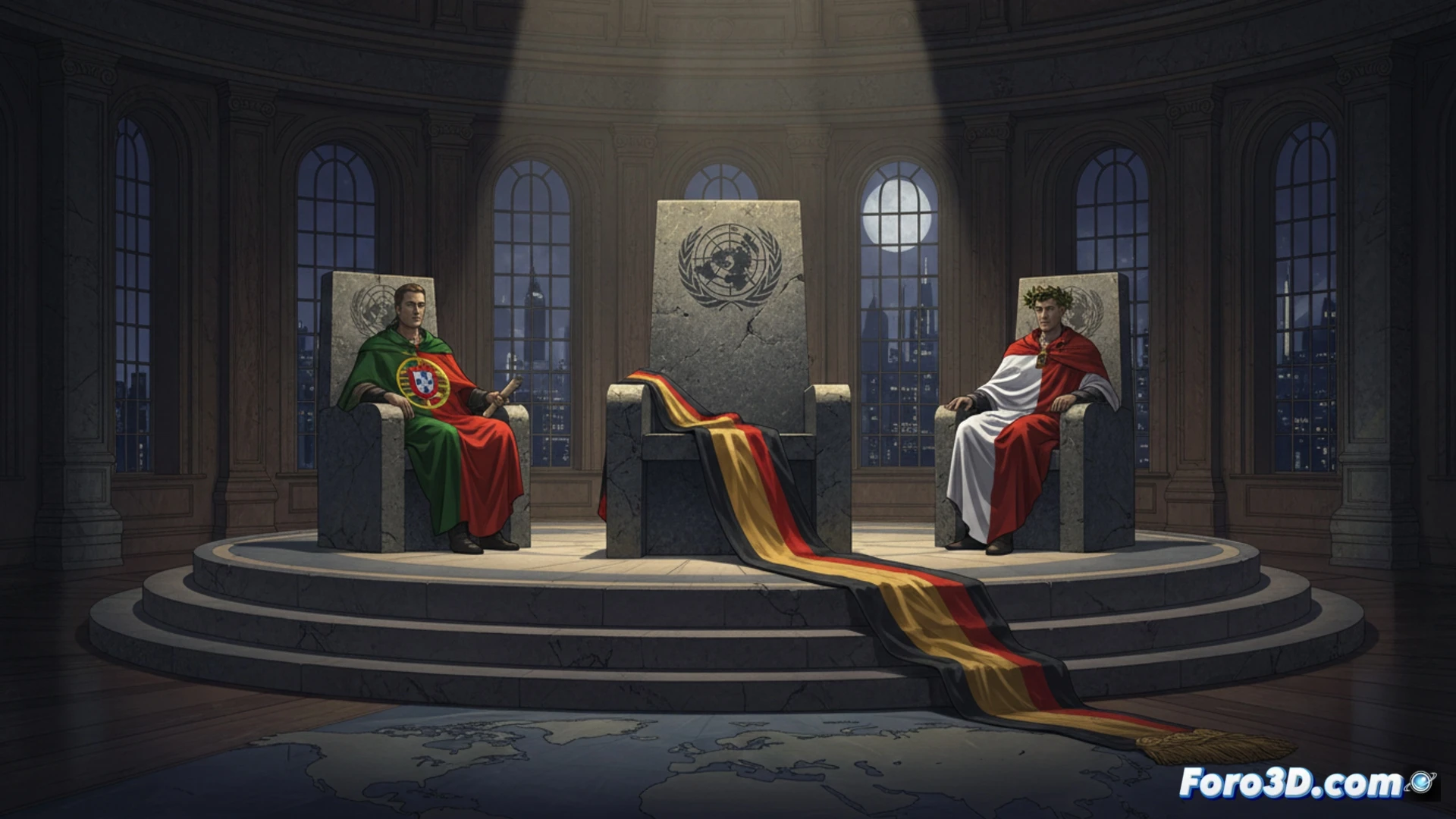
The digital veto Germany won't be able to use 🔒
In a world where cybersecurity and artificial intelligence define new wars, being outside the Security Council limits Germany's ability to drive technological regulations. Without a voice at the table, it will not be able to propose regulations on autonomous weapons or defend its data protection standards. While Austria and Portugal occupy the seats, Berlin watches from the virtual stands, unable to veto or propose.
Germany: from European engine to bus passenger 🚌
Germany, accustomed to leading in the EU, now discovers that sitting on the Security Council requires more than having the largest GDP. Losing to Portugal and Austria is like going to a luxury car auction and being outbid by two neighbors with a Fiat. Berlin will have to settle for watching others decide the future of the world while they discuss the price of fuel.