According to the Paritätischer Wohlfahrtsverband, 16% of the German population lives in poverty, the highest figure since 2020. Single-parent families, young people, and those over 65 are the most affected, with regions like Bremen as the epicenter. The risk of not making ends meet is growing, and the warning is clear: cutting benefits like Wohngeld would only worsen the crisis.
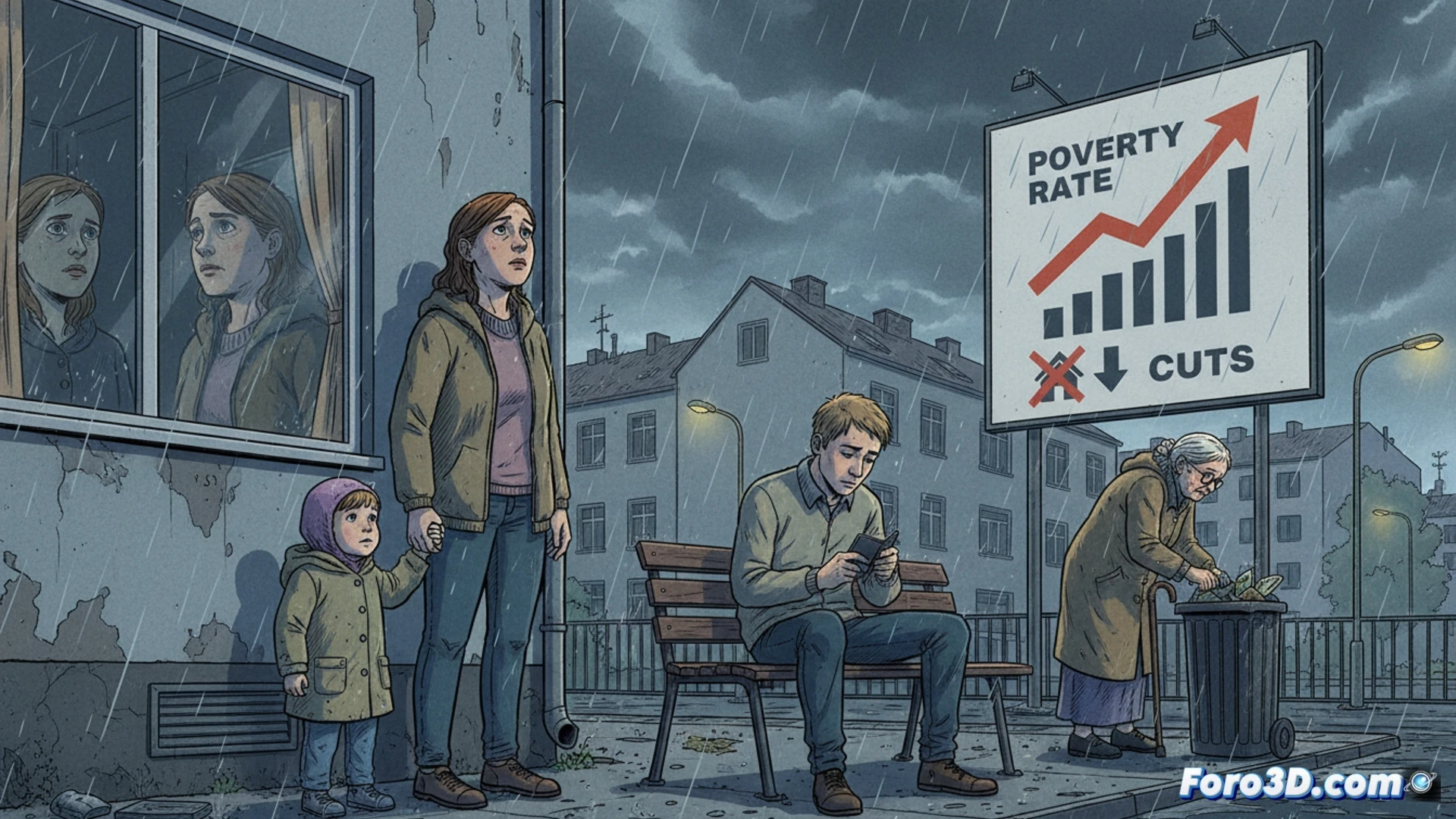
How technology can map the impact of poverty 📊
Geospatial data analysis and machine learning models allow for identifying regional poverty patterns in real time. Tools like interactive dashboards cross-reference variables such as income, housing costs, and social benefits to predict risk areas. Implementing these systems in public management would help direct resources more efficiently, although political will remains the critical factor in avoiding cuts that worsen the exclusion map.
Being poor in Germany: a luxury not everyone can afford 😅
It turns out that 16% of Germans have discovered a new hobby: not making ends meet. It's like an exclusive club where the membership fee is your financial stability. Meanwhile, some politicians propose cutting Wohngeld, which is like turning off the heating because it's cold. But hey, at least in Bremen the scenery is still nice, even if it's from a park bench.