The DIW Institute has halved its growth forecast for Germany, leaving it at 0.5% for this year. The blame lies with rising energy prices, which are hitting the real economy. The only engine keeping GDP afloat is public spending on defense and infrastructure, while household consumption and private investment are collapsing.
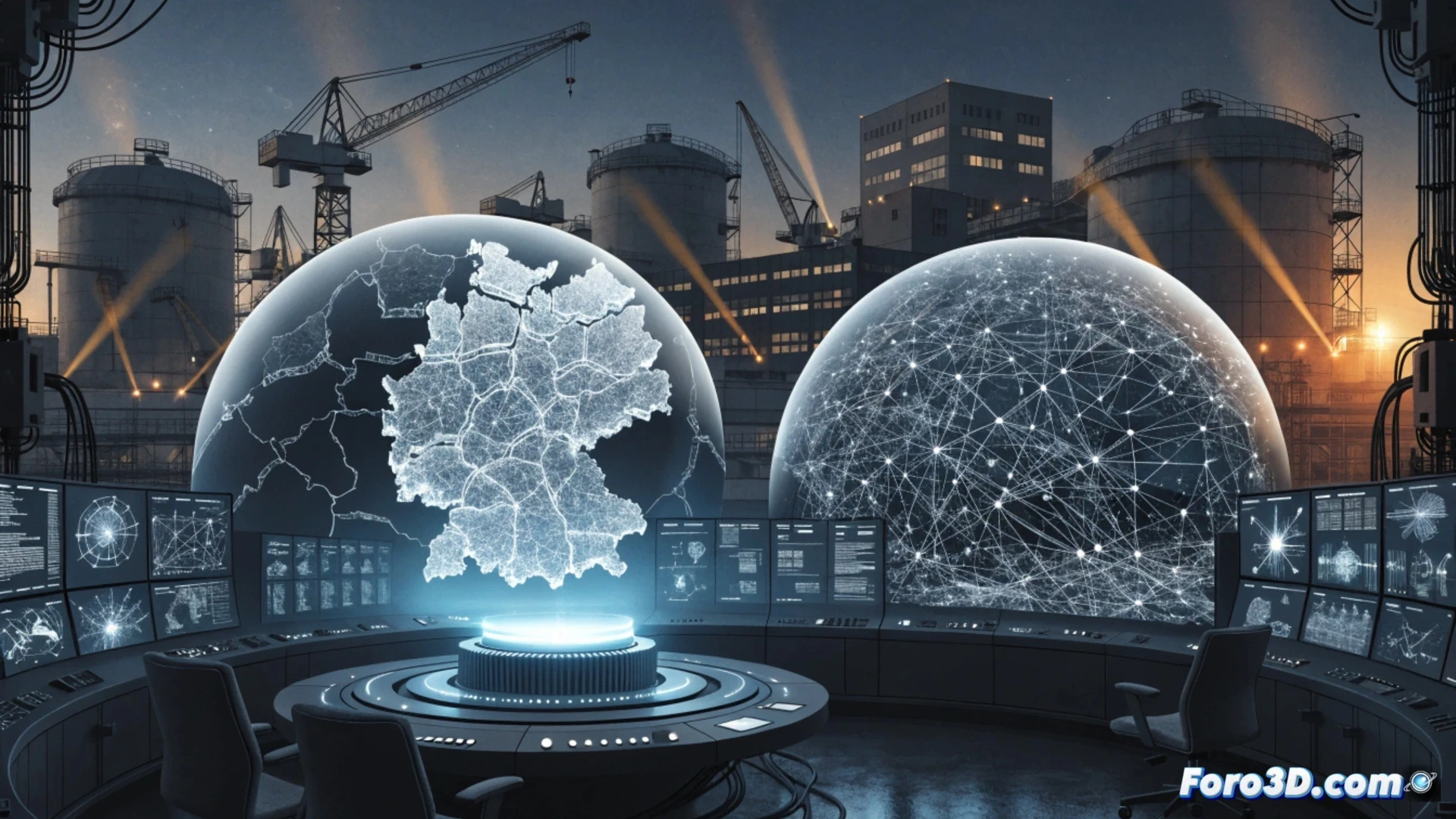
Industrial automation: solution or mirage in the face of the energy crisis? 🤖
In this context, German industry is accelerating its bet on automation to cut energy and labor costs. However, adopting robots and AI systems requires an initial investment that many SMEs cannot afford. The result is a technological gap: large companies modernize their plants, while small ones stagnate. In the long term, this can reduce employment in key sectors without guaranteeing a solid recovery.
The state steps on the gas, but the car remains in neutral 🚗
The German government is pouring money into defense and roads, but the rest of the economy seems to have fallen asleep in the back seat. Citizens look at their electricity bills and supermarket receipts, and decide it's better not to spend. The strategy is clear: if people don't consume, the state will do it for them. Too bad the private engine still won't start, and the public fuel doesn't reach all the cylinders.