The German government plans to deploy a minehunter and a supply ship in the Strait of Hormuz, but Defense Minister Boris Pistorius admits the mission may not be approved by the Bundestag before July. The green light depends on a stable ceasefire between the United States and Iran, something that remains unconfirmed. This uncertainty jeopardizes energy security and oil prices for citizens.
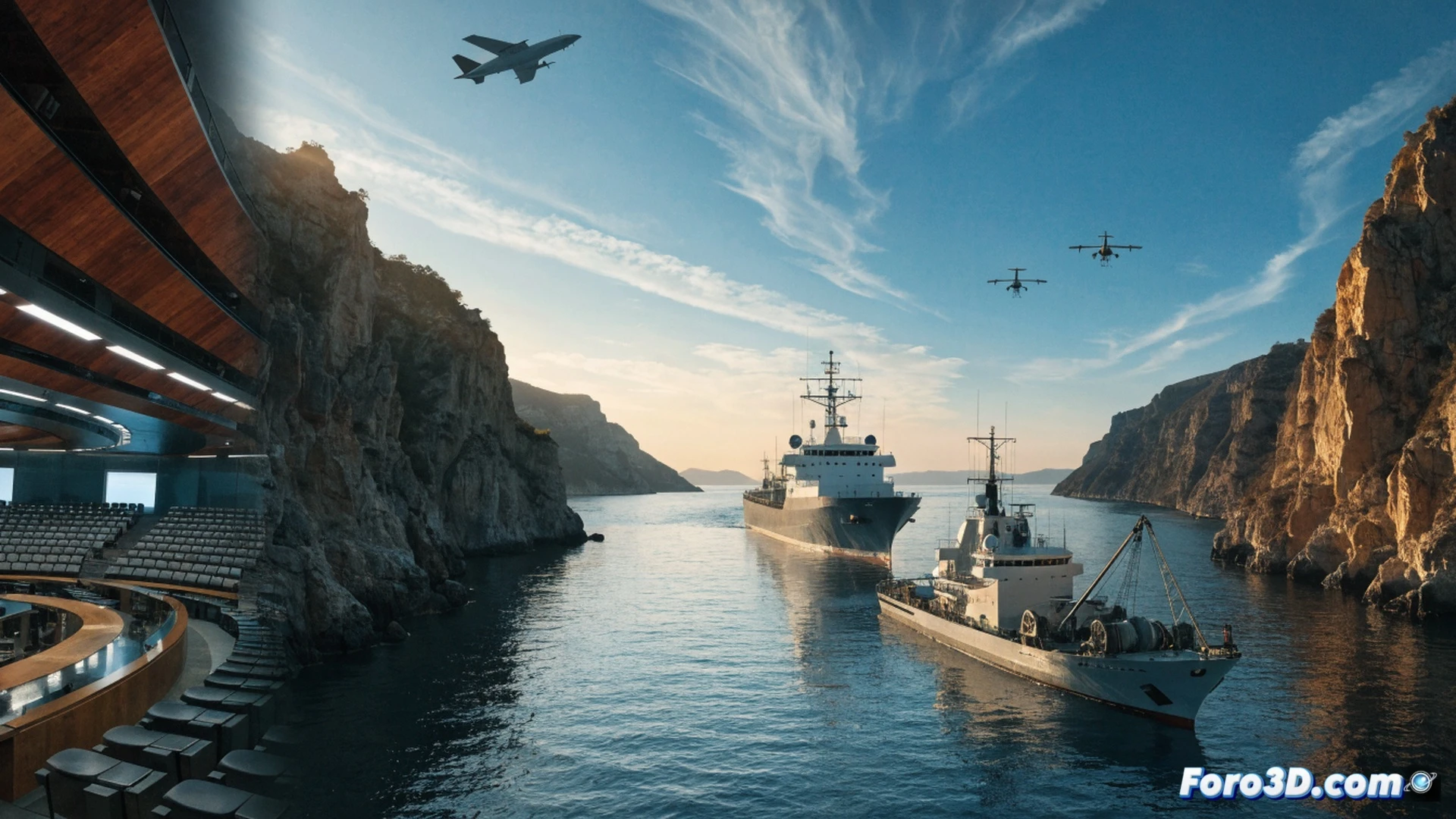
Frankenthal-class minehunter and its role in high-tension waters ⚓
The planned vessel belongs to the Frankenthal class, designed to locate and neutralize naval mines using high-frequency sonar and unmanned underwater vehicles. Its deployment in Hormuz aims to ensure safe transit for oil tankers, though its effectiveness depends on real-time intelligence. The supply ship, for its part, would enable prolonged logistical operations. However, the mission lacks a start date due to political deadlock in Berlin.
German diplomacy navigates between mines and votes 🗳️
While politicians debate whether to send the ships, Iranians and Americans still can't agree even on having a coffee. Most likely, by the time Parliament makes a decision, the minehunter will have already aged a year in the port of Wilhelmshaven. But rest assured, Germans can sleep soundly: oil prices will rise, but at least there will be democracy on the high seas.