German Defense Minister Boris Pistorius plans to cancel the F126 frigate project, valued at nearly 13 billion euros, due to delays and technical issues. Instead, he proposes acquiring Meko-200 frigates from manufacturer TKMS, a decision supported by the Navy. For citizens, this means potential tax savings and more efficient defense.
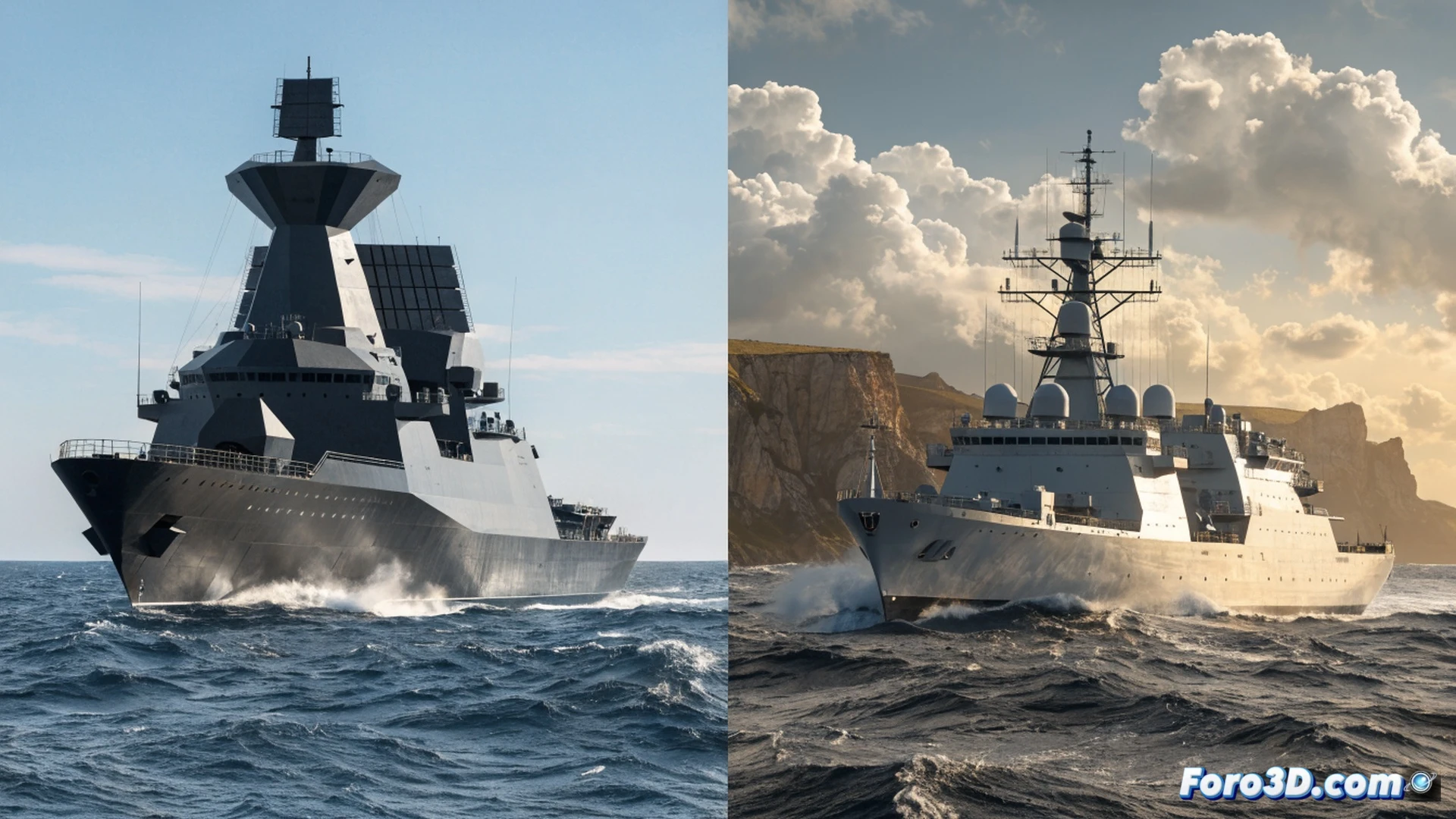
Meko-200: a proven platform versus a design on paper 🚢
The Meko-200 frigates, a modular design already operational in several navies, offer shorter delivery times and known costs. Unlike the F126, whose development accumulated delays and cost overruns, the Meko-200 avoids technical risks. The German Navy values its reliability and the ability to integrate modern combat systems without lengthy design phases, accelerating the availability of ships for defense missions.
Pistorius's Plan B: changing ships at sea ⚓
It seems Germany has discovered that building a ship from scratch is like ordering a pizza: if it takes three years, it's better to order a ready-made one and reheat it. Pistorius, seeing that the F126 would arrive by the time current sailors retire, has opted for the Meko-200, which is like a used car that works, compared to a prototype that never starts. At least the taxpayer won't have to foot the bill for a shipyard that sails without direction.