Germany reached a record 19.1 million pensioners at the beginning of 2026, with expenses exceeding 300 billion euros. The increase in life expectancy and early retirements, affecting nearly a third of retirees, generate discounts of 0.3% per month advanced. Planning for retirement is key to avoiding significant financial losses in a system under pressure.
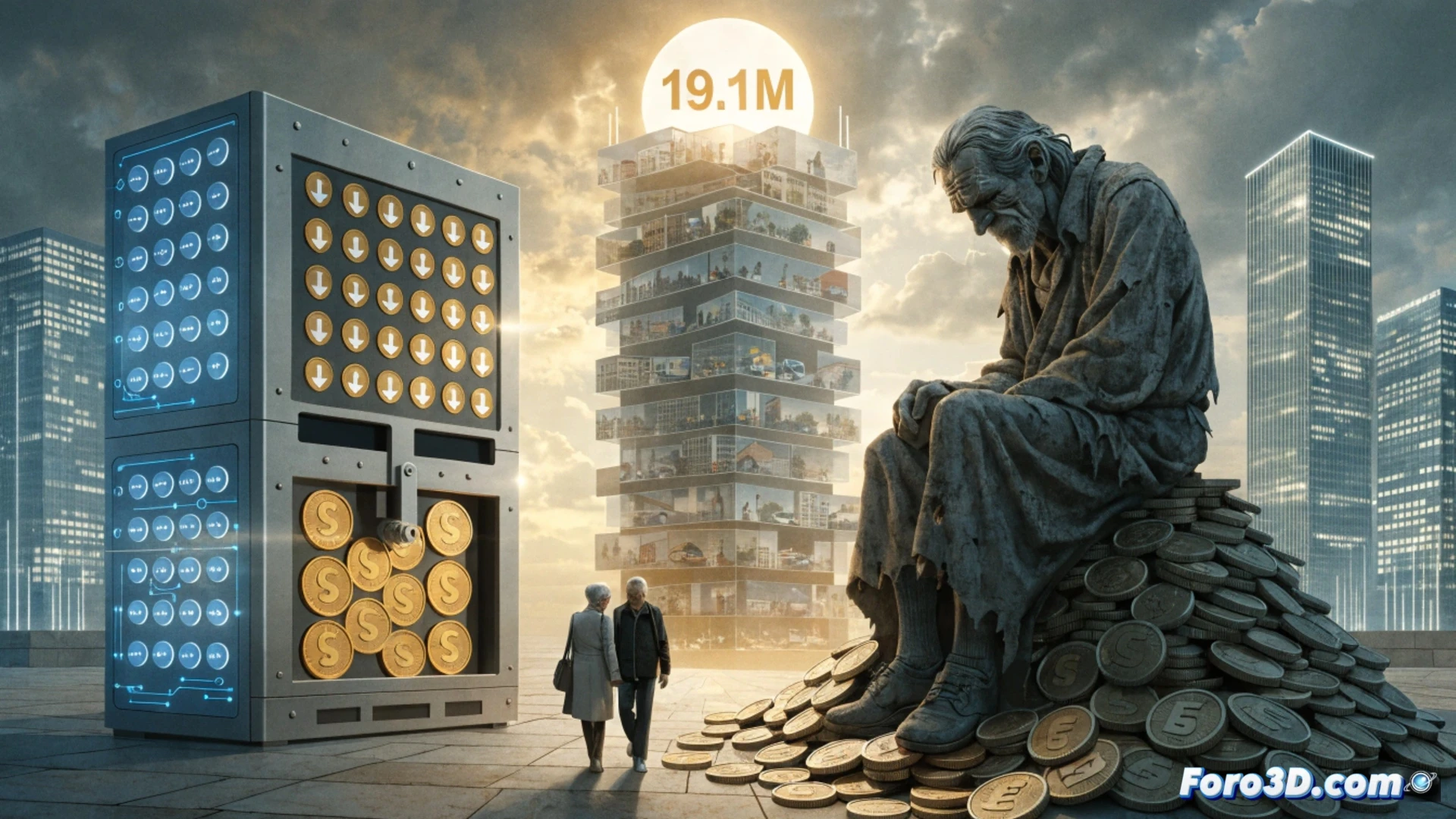
Pension modeling: algorithms to predict optimal retirement 🤖
The development of simulation software allows calculating the impact of early retirement discounts. Tools like actuarial calculators integrate variables such as life expectancy, inflation, and replacement rates. Algorithms process demographic data to determine the optimal retirement age, minimizing losses. These systems, based on Monte Carlo models, offer personalized projections, although they require precise user inputs to avoid errors in the final pension calculation.
Early retirement: the art of earning less by living longer 😅
One third of German retirees retire early, applying the 0.3% monthly discount as if it were a punishment for wanting to enjoy life. The system seems to say: if you retire early, you pay; if you live long, you also pay. In the end, the perfect strategy is to calculate when to die so as not to lose a single euro. Meanwhile, the 300 billion in annual expenses keep rising like bread, but without the same substance.