The 10th International Congress on Railway History has concluded in Alcázar de San Juan, leaving a positive balance. Over several days, national and international experts analyzed the past of the train and its future prospects. The event consolidates the town as a reference point for the study of railways, a key sector for the mobility of people and goods. This event not only attracts specialists but also generates expectations about possible improvements in local railway services and an increase in cultural tourism.
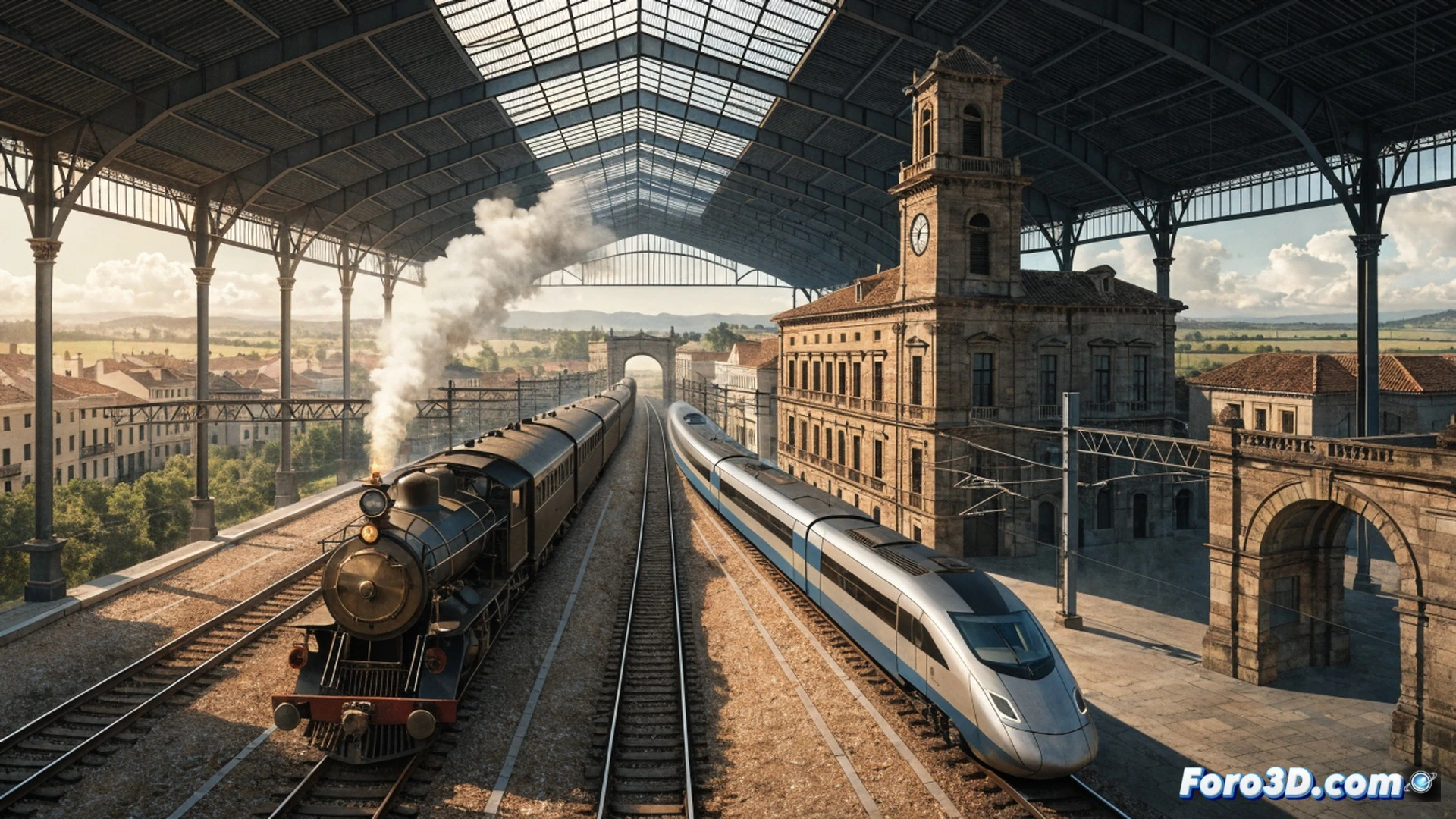
Innovation on rails: technical challenges of modern railways 🚆
The presentations addressed issues such as the electrification of conventional lines and the digitalization of signaling. The need to adapt infrastructure to more efficient trains capable of reducing energy consumption was discussed. Another point was interoperability between networks of different countries, a technical challenge requiring common protocols. Attendees agreed that modernizing workshops and tracks is a necessary step for railways to compete with other modes of transport, although investments remain a thorny issue for administrations.
The commuter train that never arrives, but everyone talks about 🚉
While experts debated the future of railways, residents of Alcázar took the opportunity to ask about the commuter train that has been promised for decades. Apparently, at congresses, high-speed trains and European corridors are discussed, but the conversation cools down when someone mentions the medium-distance line that stops at every station. If the speakers had conducted a survey among local attendees, the debate would have focused on how to get to work on time without relying on the bus.