With summer knocking at the door, portable air conditioners become the salvation for tenants and restrictive communities. They allow you to cool a room without drilling or renovations, a clear advantage for those who cannot install a fixed split system. However, not all models deliver what they promise: real power and noise are decisive factors to avoid wasted expense and exorbitant electricity bills.
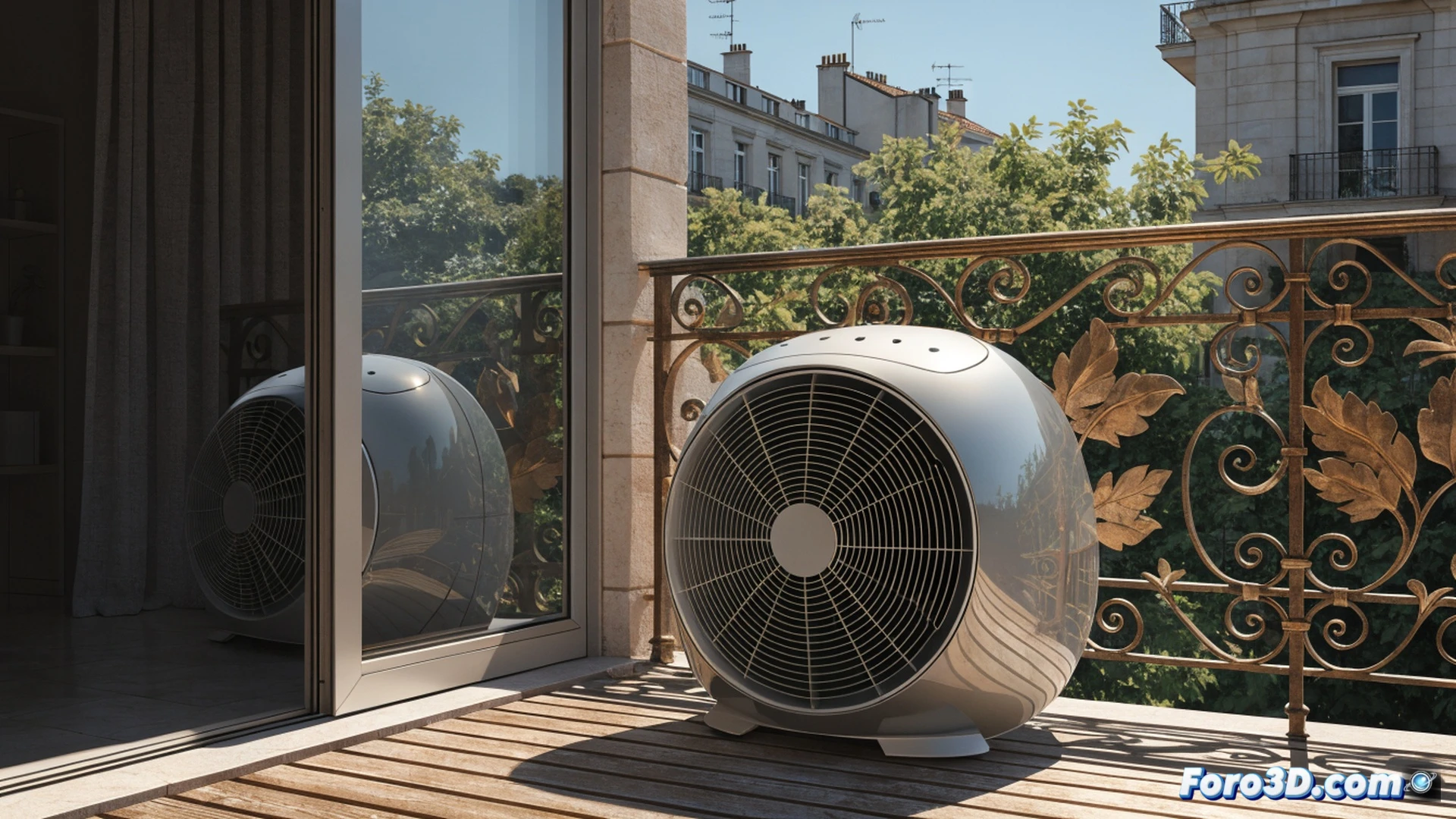
Power and efficiency: what the labels hide 🔥
The key lies in the BTUs, but beware: the figure advertised by the manufacturer is usually the cooling capacity, not the electrical consumption. A 12,000 BTU unit can consume more than 1,200 watts, similar to a microwave running non-stop. Additionally, noise in turbo mode hovers around 55 dB, comparable to a loud conversation. To avoid disappointment, look for models with dual hoses and an inverter compressor, which adjust consumption and reduce the annoying nighttime hum.
The fan that dreams of being a fridge 😅
Some portable units seem more like a noisy vacuum cleaner than a climate control system. You turn on night mode and the device sounds like a tractor is parked in the living room. Sure, you manage to cool the room, but at the cost of sleeping with earplugs and waking up to a trembling electricity bill. In the end, you choose between sweating in silence or shivering to the rhythm of a washing machine motor.