Most young Africans, under 25, have stopped believing in traditional democracy. Voting every so often has not secured them jobs or basic services. That is why they now prefer street protests and noise on social media, seeking more direct ways to demand real change. Conventional politics feels too distant for them.
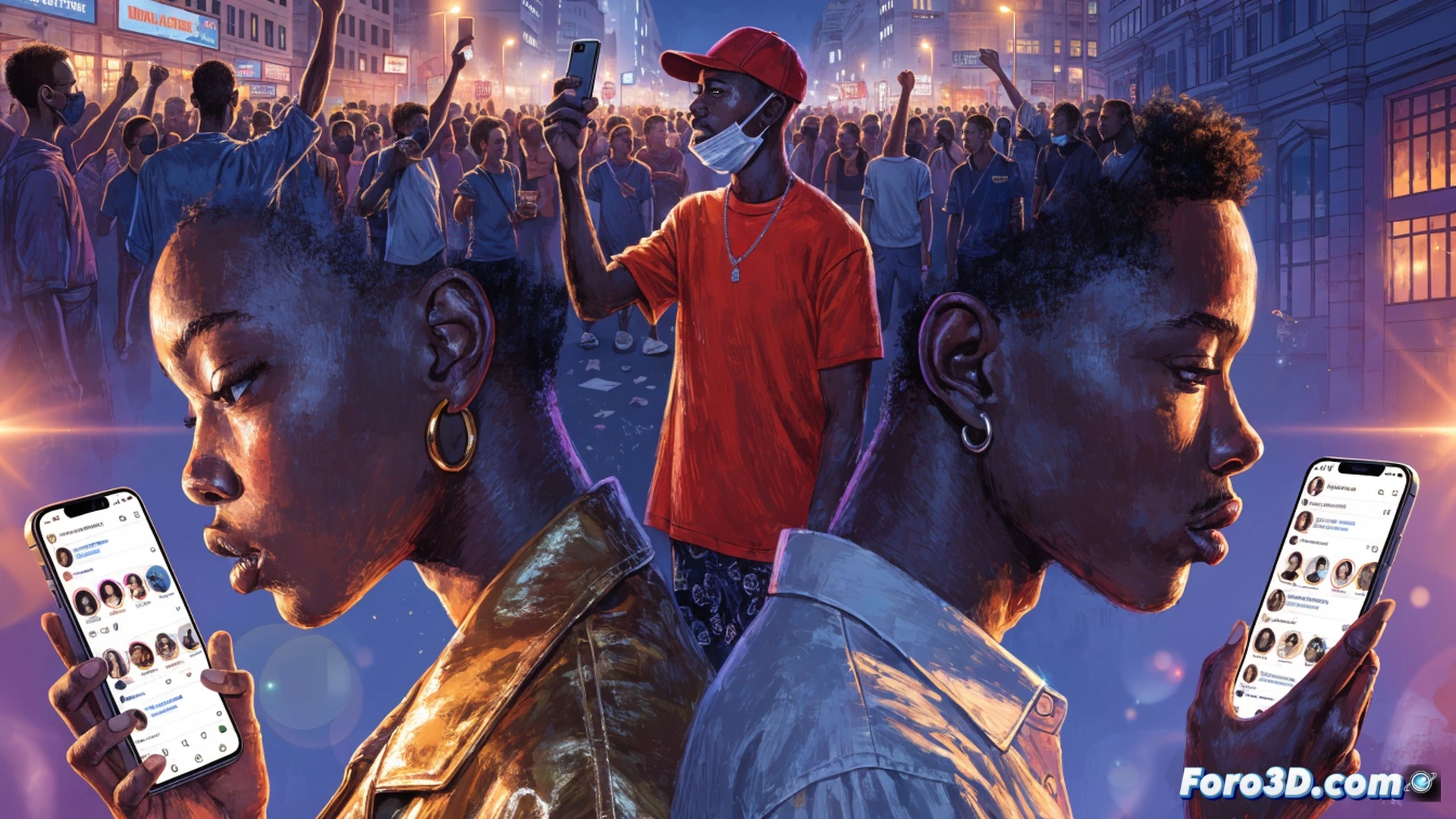
Social media: the new parliament without chairs 📱
Without access to formal channels, young people use WhatsApp, TikTok, and X to organize demands. They do not wait for politicians; they themselves spread news about garbage collection failures or water cuts. This digital participation allows them to coordinate protests in minutes and bring local issues to light. However, the digital divide limits those without mobile data. Even so, technology has become their most effective tool for applying pressure.
Democracy of supply: two ballot boxes and a promise 🗳️
Politicians promise to change the country, but young people already know that change usually stays on the election poster. It is like going to a supermarket where only expired hope is sold. That is why, when there is no bread on the table, they prefer to take to the streets to chant slogans rather than wait for another nice speech. At least, protesting gives them back the feeling of doing something.