Scientists have identified ancient human DNA in cave paintings from Spain and Portugal, a finding that allows them to trace the artists. This technique opens the door to determining whether they were Neanderthals or modern humans, directly connecting us with our ancestors and their ways of life.
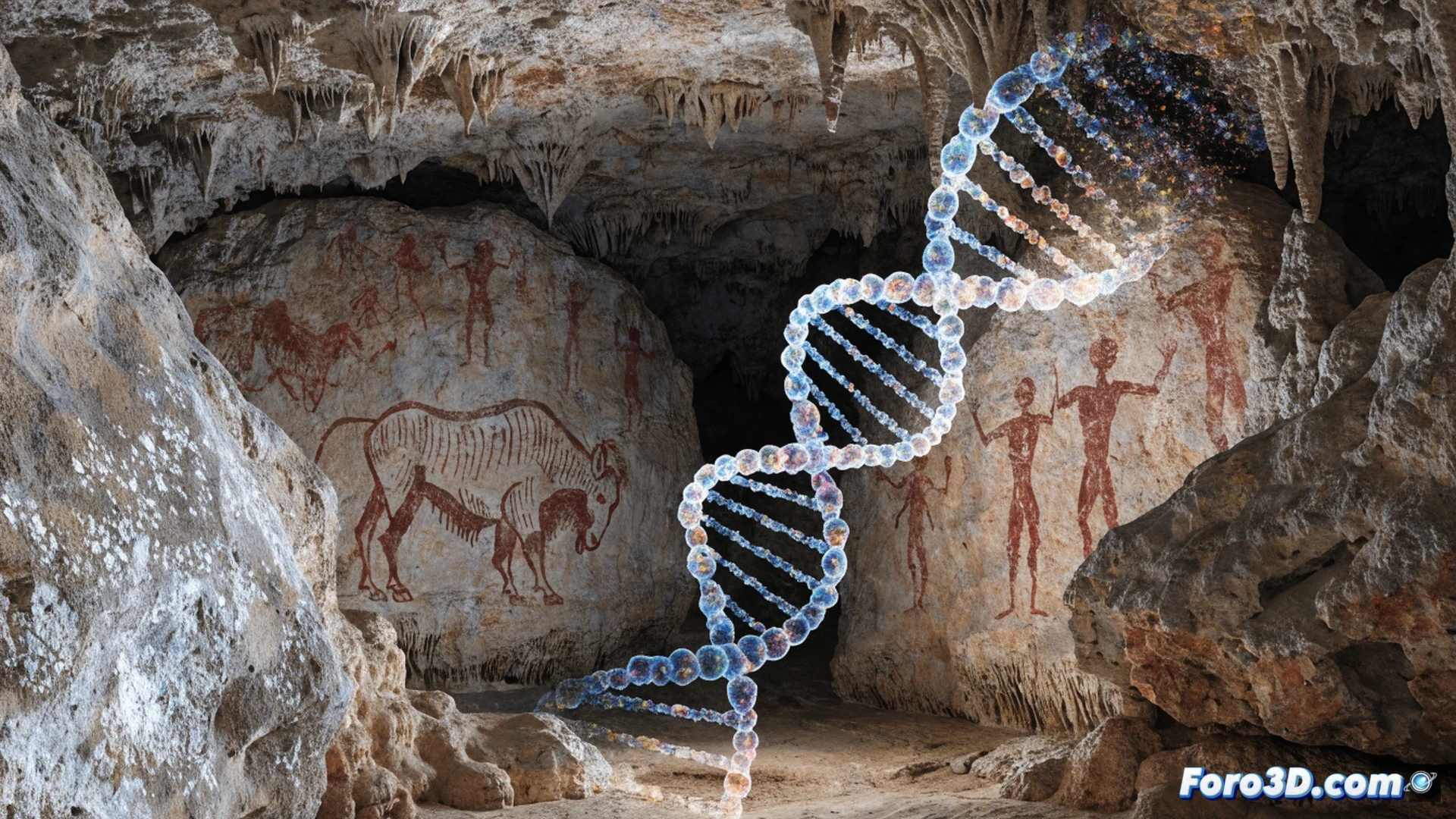
How technology extracts DNA from rocks 🧬
The method involves taking samples from the surface of the paintings without damaging them, using sterile swabs and highly sensitive genetic analysis techniques. Researchers managed to isolate mitochondrial DNA from the pigments, which mixed with the artists' saliva or sweat while painting. This breakthrough allows for dating and attribution, even distinguishing between human groups that inhabited the region. The precision of the analysis prevents modern contamination, a constant challenge in these studies.
Neanderthals making art: the ugly cousin's revenge 🎨
If it turns out a Neanderthal painted a bison, history books will need a rewrite. It seems the ugly cousin wasn't just going extinct, but also decorating caves. Now scientists will have to explain why for years it was said that only sapiens had artistic sensibility. Meanwhile, the Neanderthals must be laughing from the afterlife, paintbrush in hand.