NatureMetrics has developed a technique that allows anyone to measure the biodiversity of an ecosystem by simply taking a water or soil sample. The process is simple: collect the material, send it to the lab, and environmental DNA analysis reveals which species inhabit the area. This facilitates rapid and cost-effective wildlife monitoring, a key advancement for agriculture and flood protection. 🌿
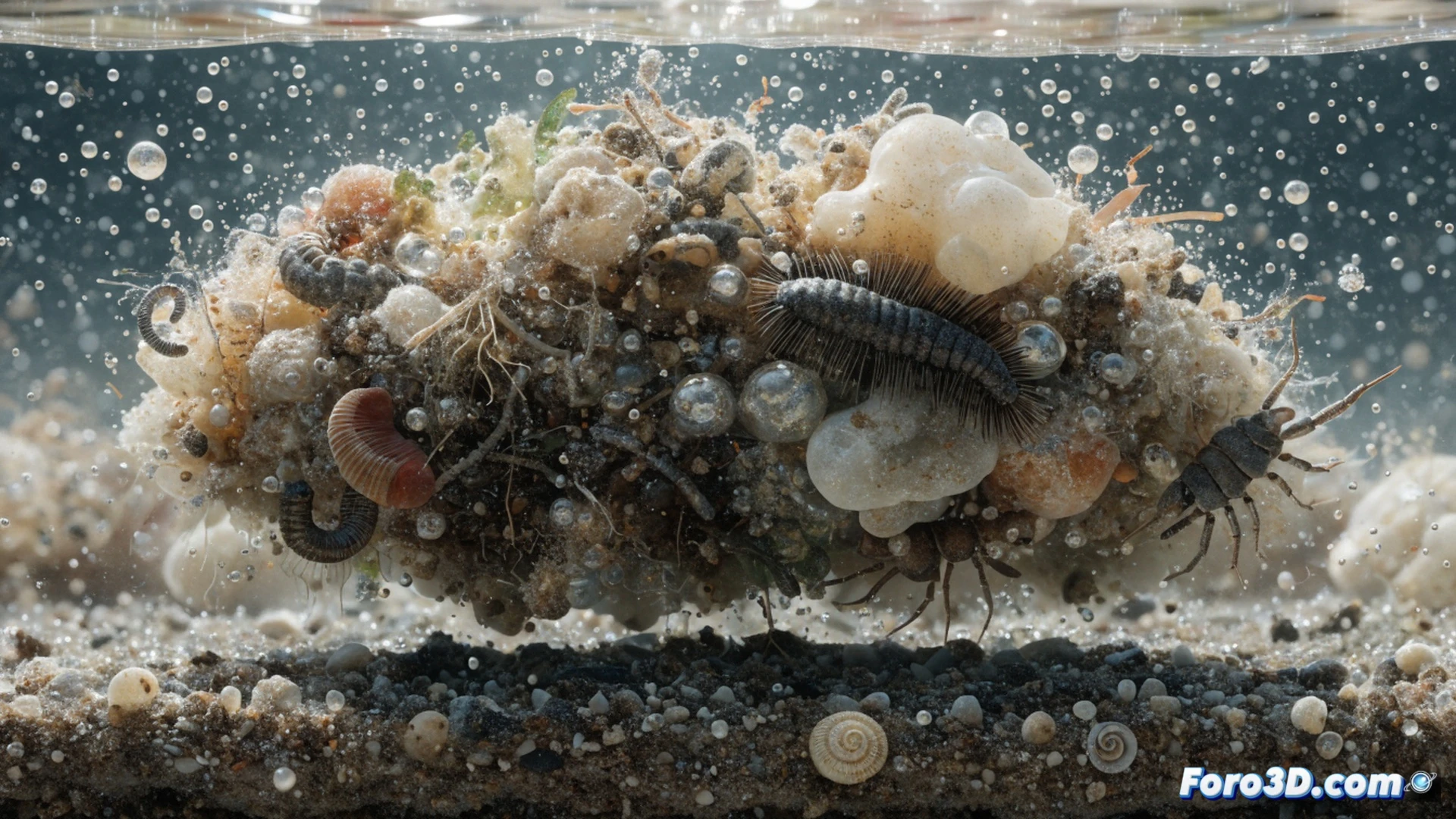
How field genetic analysis works 🧬
The technology is based on extracting environmental DNA (eDNA) present in liquid or soil samples. The process identifies genetic fragments left by organisms, from bacteria to mammals. NatureMetrics has simplified collection kits so that no technical training is required. The lab processes the samples through massive sequencing and compares the results with genetic databases. This allows biodiversity maps to be generated in days, reducing costs compared to traditional methods like visual censuses or traps.
Your five-year-old nephew, the new park ranger 🕵️
NatureMetrics claims that even a five-year-old child can take a sample. Picture the scene: the little one dips a jar into a puddle, mails it off, and days later receives a report that the local park has frogs, earthworms, and a stray dog. Almost like a detective game, but with less mystery and more mud. Of course, you'll have to explain to the kid that sending a sample from the home bathtub is not allowed, no matter how much they want to know what critters live with them.