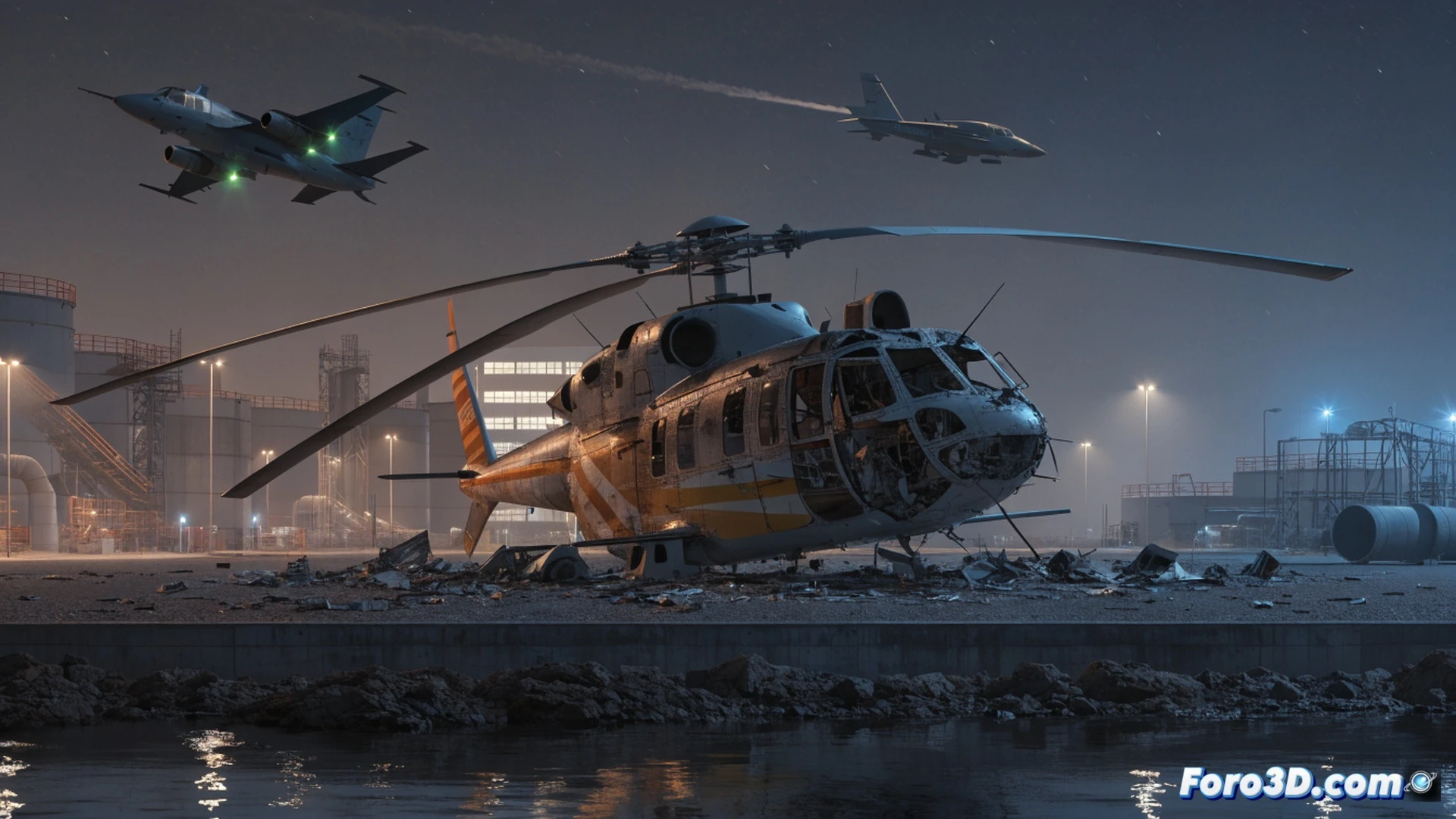
A Saudi Aramco helicopter crashed in Ras Tanura, leaving 14 fatalities, all Saudi citizens. The company had resumed activities after months of inactivity due to tensions between the United States and Iran. This incident highlights occupational risks in the oil industry and the regional instability that impacts jobs and fuel prices.
Safety technology and protocols in high-risk zones 🚁
Air operations in conflict areas require advanced navigation systems and rigorous maintenance. However, the accident suggests that neither Saudi Aramco's protocols nor its modern fleet guarantee total protection. The hasty resumption of activities, without assessing local threats, exposes workers. Dependence on equipment and routes in unstable zones requires constant audits and updates to emergency response systems.
Oil, helicopters, and the luck of not being a passenger ⛽
Those who thought the worst part of working for an oil company was the smell of fuel now have a new reason to complain. It turns out that flying over an area that was on pause due to war is like playing Russian roulette with a joystick. Of course, at least fuel prices will rise a bit, so the rest of us remember that someone else's risk has a market price.