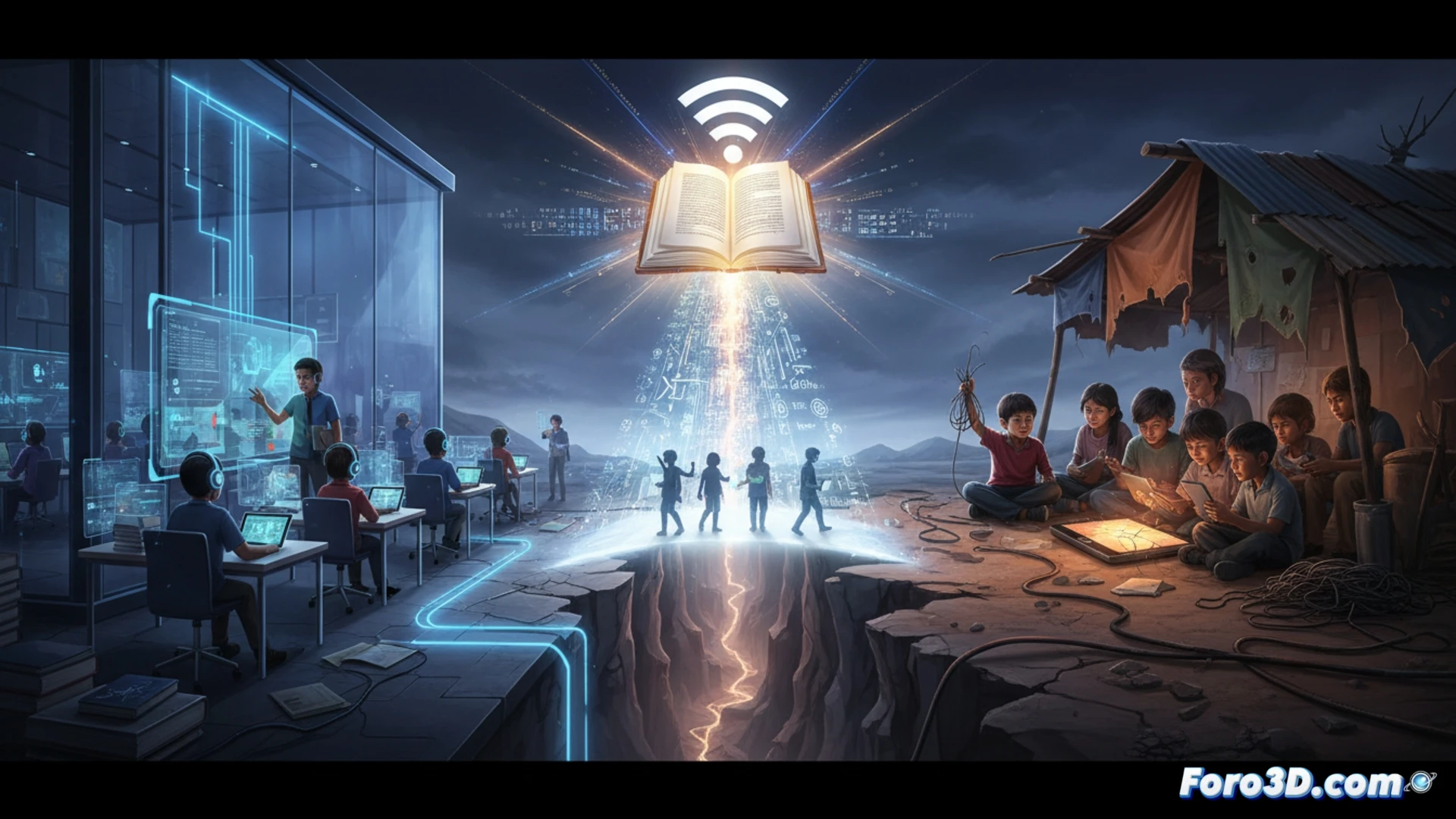
The digital divide remains a real obstacle for millions of students. While some attend virtual classes with fiber optics, others depend on a single mobile phone shared among siblings. Guaranteeing equitable access to education and digital tools is not a luxury, but a basic necessity in a world where connectivity defines opportunities.
Open infrastructure and ownerless software 🌐
The technical solution involves deploying community networks with low-cost hardware and lightweight operating systems like Linux. Using recycled routers, homemade antennas, and offline repositories of educational content reduces dependence on large providers. Platforms like Kolibri or offline Moodle allow downloading complete lessons. Open source eliminates expensive licenses and encourages local customization. All of this works if there is political will and basic maintenance.
The myth of the student born with a cable in hand 🤔
We hear the same old story every year: that young people are digital natives. But a digital native without signal or device is just a bored teenager staring at a blank screen. The reality is that many end up sharing a mobile phone with three people or using prepaid mobile data that runs out by midday. The real miracle is not that they learn, but that they haven't sent their teachers to the cloud.