In 2006, Richard Linklater adapted Philip K. Dick's novel using a rotoscoping technique that blurs the line between animation and reality. Keanu Reeves leads a cast that explores state surveillance and the loss of identity under the influence of a drug called Substance D. The film was faithful to the original text, but its narrative complexity and somber tone made it a box office failure. For the average viewer, it's a challenge; for the cinephile, a necessary exercise in reflection.
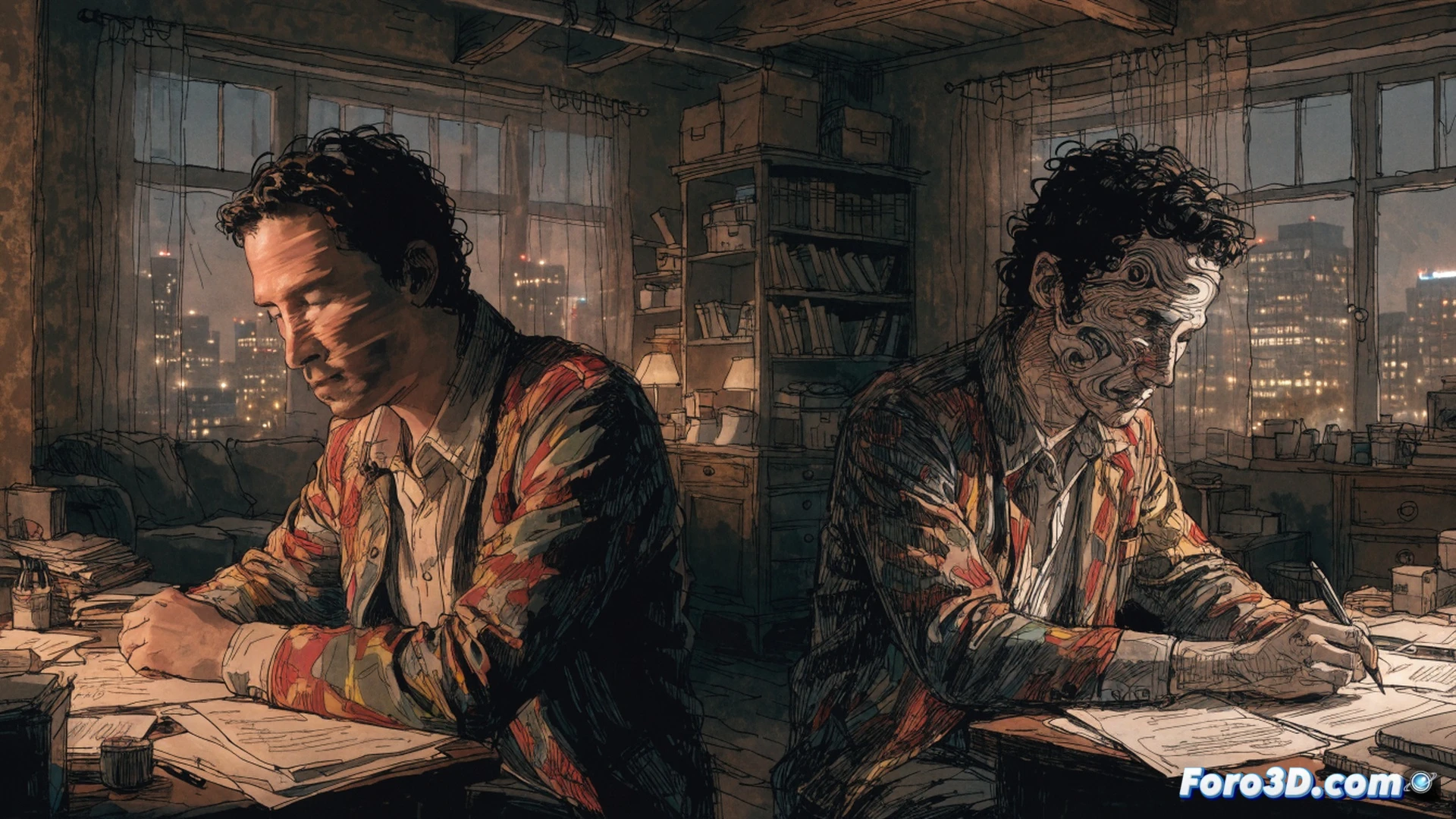
Rotoscoping and Paranoia: The Visual Engine of Distrust 🌀
The animation technique applied to live-action footage, called rotoscoping, was not an aesthetic whim. Linklater used it to reflect the fragmentation of perception under the effects of Substance D. Each frame was digitally painted, creating an unstable texture that mimics the protagonist's confusion. This process, which required months of post-production, allows the secret police's chameleon suits to constantly change appearance, symbolizing how surveillance erases identity. It is a technical resource that demands patience from the viewer but rewards with layers of meaning.
How to Make a Science Fiction Movie Nobody Wants to See in Theaters 🎬
If you are one of those expecting explosions and clear-cut heroes, this film will make you reconsider your Friday night choices. There is no caped villain here, but rather a protagonist who surrenders to his own self-destruction while the police record him from every angle. Substance D doesn't give you superpowers, only existential paralysis and conversations with insects on the couch. A Scanner Darkly is the kind of movie your friends will thank you for not putting on at the gathering, unless you want them to question their own sanity.