A massive study with over one million women identifies 300 genes linked to endometriosis, a disease that causes severe pain and infertility. The research confirms it causes systemic inflammation, associated with heart problems and depression. However, the real problem remains the same: diagnosis takes between 7 and 10 years, and doctors still minimize it as just menstrual pain.
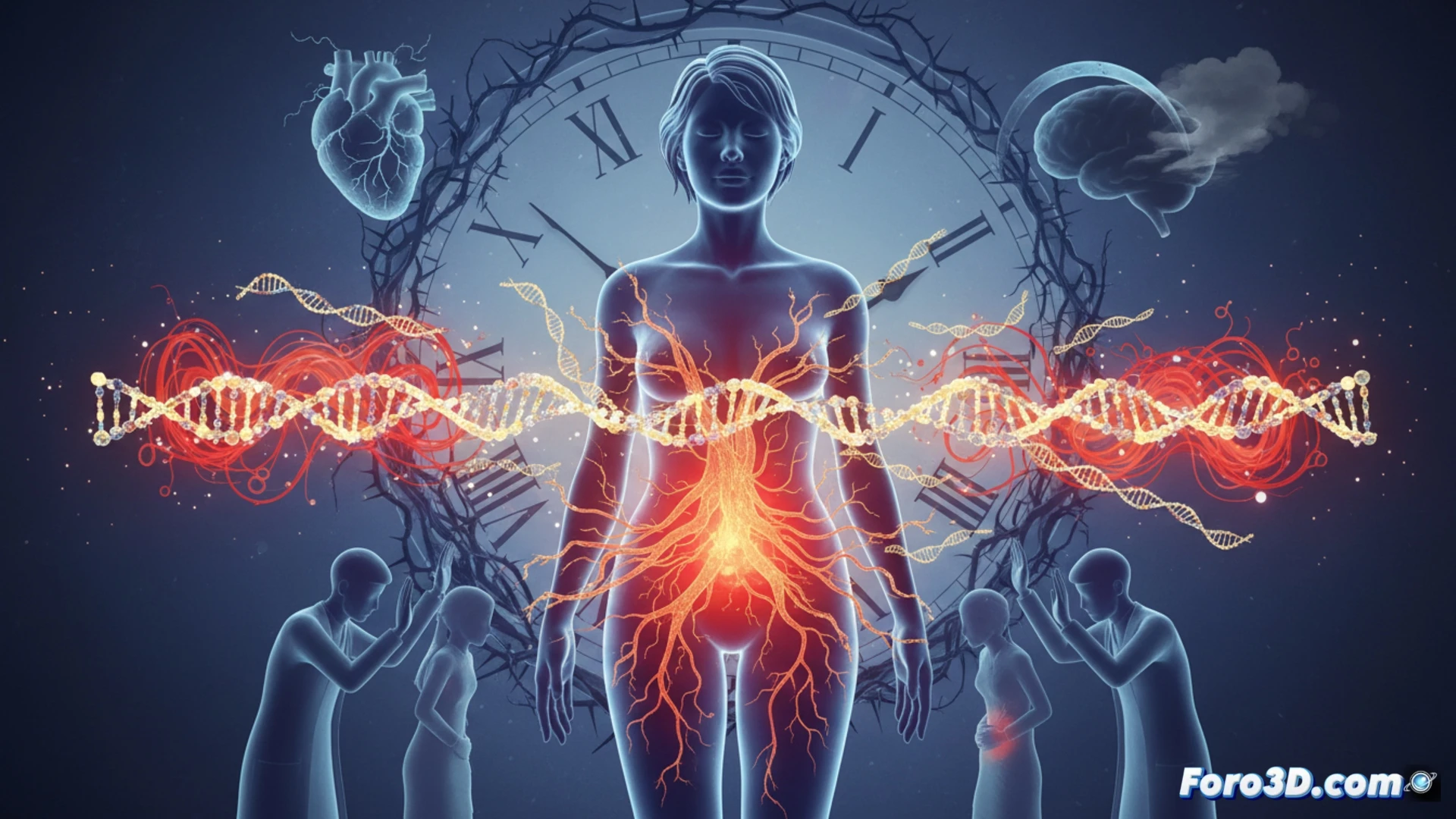
Genomic technology: the map no one will use to cure 🧬
Identifying 300 genes is a technical achievement, but also a trap. No gene therapy can address such a high number of targets in the short or medium term. The research confirms what patients already knew: systemic inflammation was known, but funding to study it was lacking. Meanwhile, treatments remain the same: hormones or mutilating surgery. The healthcare system has no effective protocols, and pharmaceutical companies will use this data to create expensive drugs that only relieve symptoms.
Science discovers patients' cry (and patents it) 💊
Women have been saying for decades that something is wrong, and now a study confirms it. But don't expect your general practitioner to read it. Most likely, when you go to the appointment, they will still prescribe ibuprofen and tell you it's just nerves. Sure, soon there will be a state-of-the-art drug, with an outrageous price, that promises to relieve inflammation. Because science advances, but the healthcare system still believes that ovarian pain is just an exaggeration.