In 2001, four franchises began their journey: Harry Potter, The Lord of the Rings, Shrek, and Fast & Furious. These sagas not only filled theaters but defined global entertainment for two decades. From teenage magic to speed on wheels, those first films established a model of success that still dominates the box office and the leisure of millions of people today.
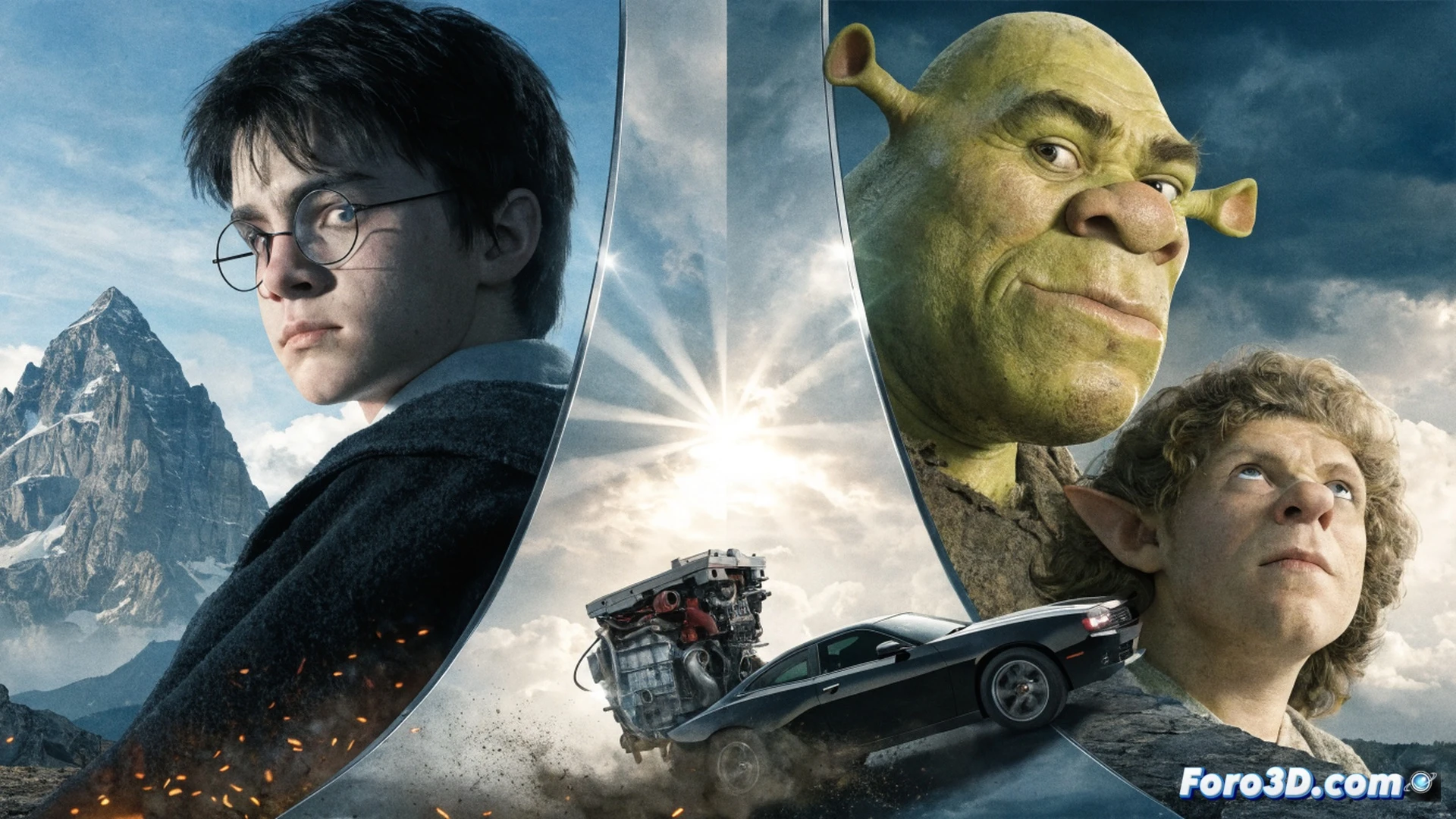
The technical engine behind the box office success 🎬
Digital development was key for these franchises. Weta Workshop advanced motion capture for Gollum, while PDI/DreamWorks refined 3D animation with Shrek. The post-production of Harry Potter combined practical effects with nascent CGI, and Fast & Furious leveraged filming techniques with real cars to achieve raw action. These innovations, though they seem basic today, laid the technical foundations of the modern blockbuster.
2001: when cinema sold us four sagas for the price of one 🍿
Watching those movies now is like looking at photos of your 2001 self: it gives you nostalgia and a bit of embarrassment. The special effects in Harry Potter look like they're from a PlayStation 2 video game, and in Fast & Furious no one wore seat belts. But they pulled it off: they made us believe that a green ogre, a cursed ring, and a Scottish dragon were the same universe. And it worked.