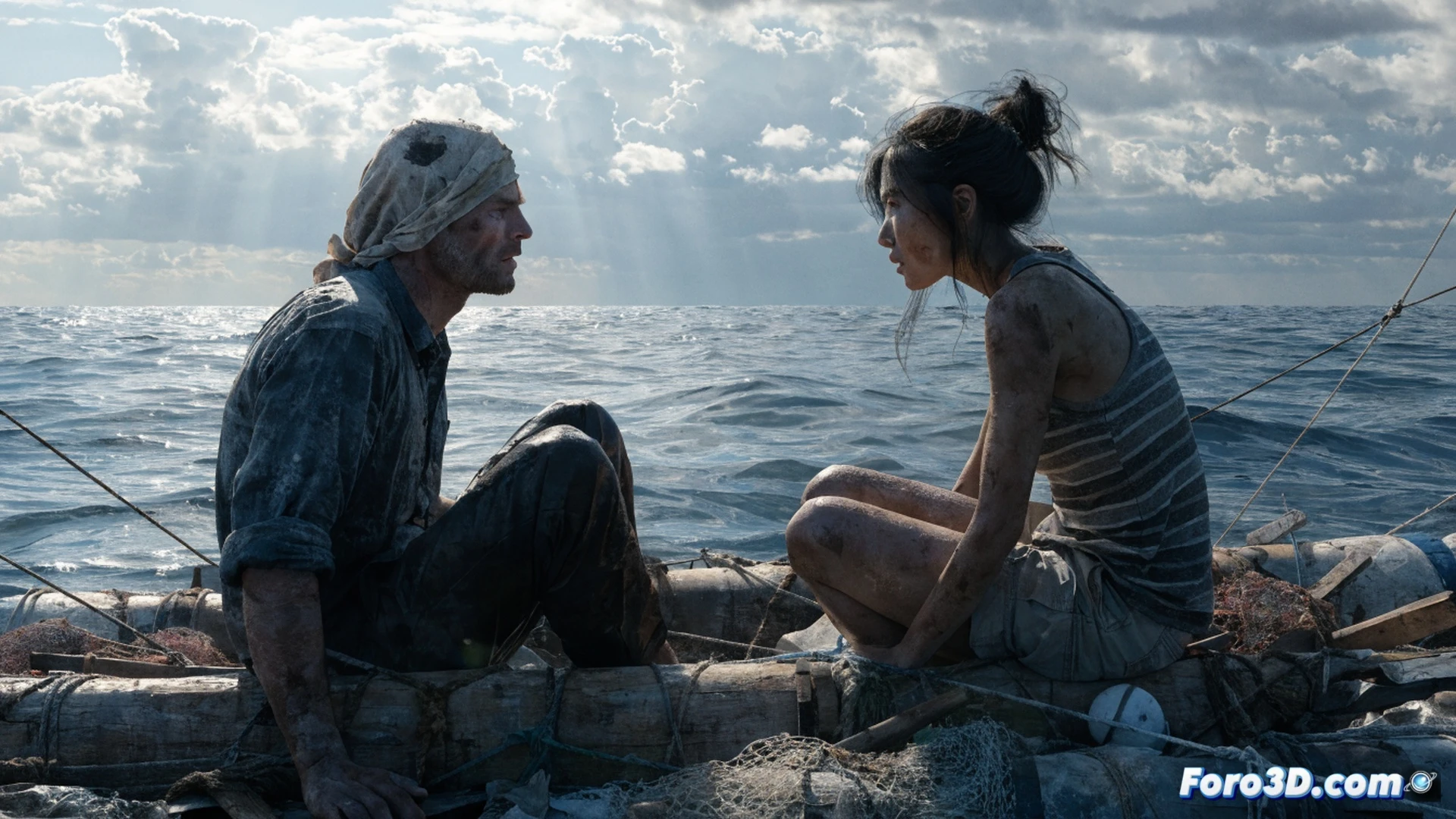
A couple survived 118 days on a boat in the Pacific after a shipwreck. The experience shows that coexistence in extreme crisis can define the fate of a relationship. For citizens, this highlights how emotional and family stability either cracks or strengthens in the face of adversity, where patience and communication are key tools.
Survival technology: filtration systems and emergency navigation 🛠️
In drifting situations, low-power technology is vital. Portable water filtration systems, such as manual solar stills, can extract up to one liter of drinking water daily. Signaling equipment with VHF radio frequency and satellite beacons like EPIRB allow sending coordinates without relying on mobile networks. These tools, designed for hostile environments, increase rescue chances and reduce the physical and psychological wear on shipwreck survivors.
Tips to survive your partner (without shipwrecking in the process) 😅
If your relationship survives 118 days on a boat, it might also endure a move or a trip to IKEA. The key, according to forced coexistence experts, is to divide tasks: one fishes, the other rations water. But avoid arguing about who left the toilet seat up when you barely have a bucket for your needs. Patience is the real lifesaver.