In the vast DC universe, some heroes are buried by time. Warp, created by Marv Wolfman and illustrated by George Pérez, is one such case. This speedster, whose real name is Emil LaSalle, possessed the ability to distort space-time but never achieved the fame of the Flash. His brief and erratic story is a reminder that not everything that shines in comics manages to remain in collective memory.
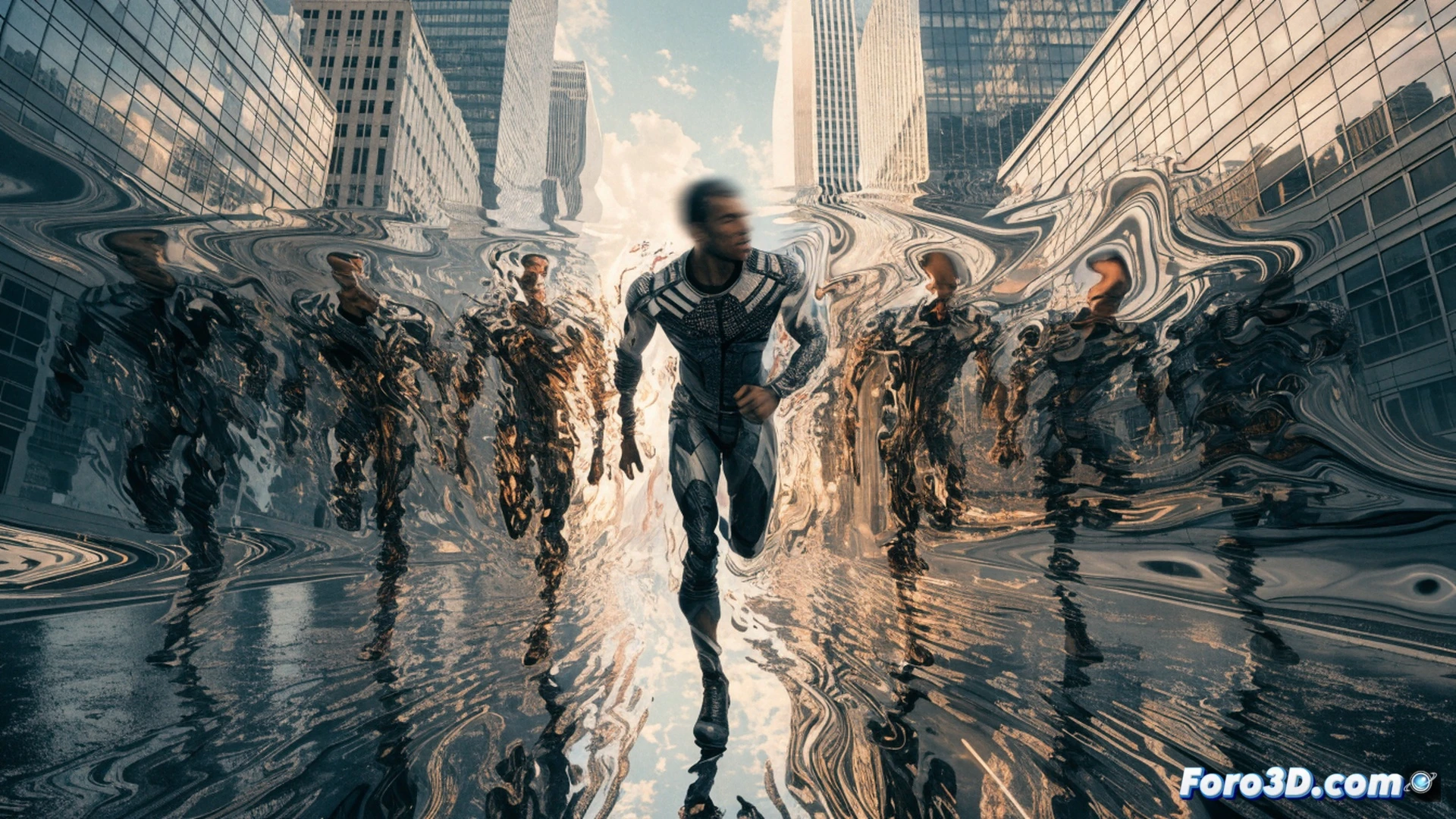
The mechanism of distortion: how his speed works ⚡
Unlike other runners, Warp did not move fast in the traditional sense. His power lay in folding the space around him, allowing him to appear at different points without covering the distance. Visually, this translated into a controlled teleportation effect. However, his ability had limitations: it required concentration and precise knowledge of the destination coordinates. In practice, he was a speedster who did not run but bent the map at will, a technical rarity within the subgenre.
The superhero who was late everywhere 🕐
If Warp was so fast at folding space, why don't we remember him? Simple: because his career was as fleeting as his movements. He appeared in a handful of issues and then vanished without a trace, as if he had folded himself out of continuity. Perhaps the problem was that, since he didn't sweat or get tired, readers thought he was a cheater. Or worse: that he was just a guy with bad luck and an even worse editor.