A researcher from the University of Southern Denmark has developed a method to recycle industrial metal shavings into 3D printing material without using chemicals. The process aims to reduce costs and Europe's dependence on imported raw materials by transforming factory waste into a useful resource. For citizens, this could mean cheaper products and a lower environmental impact by making use of what was previously discarded.
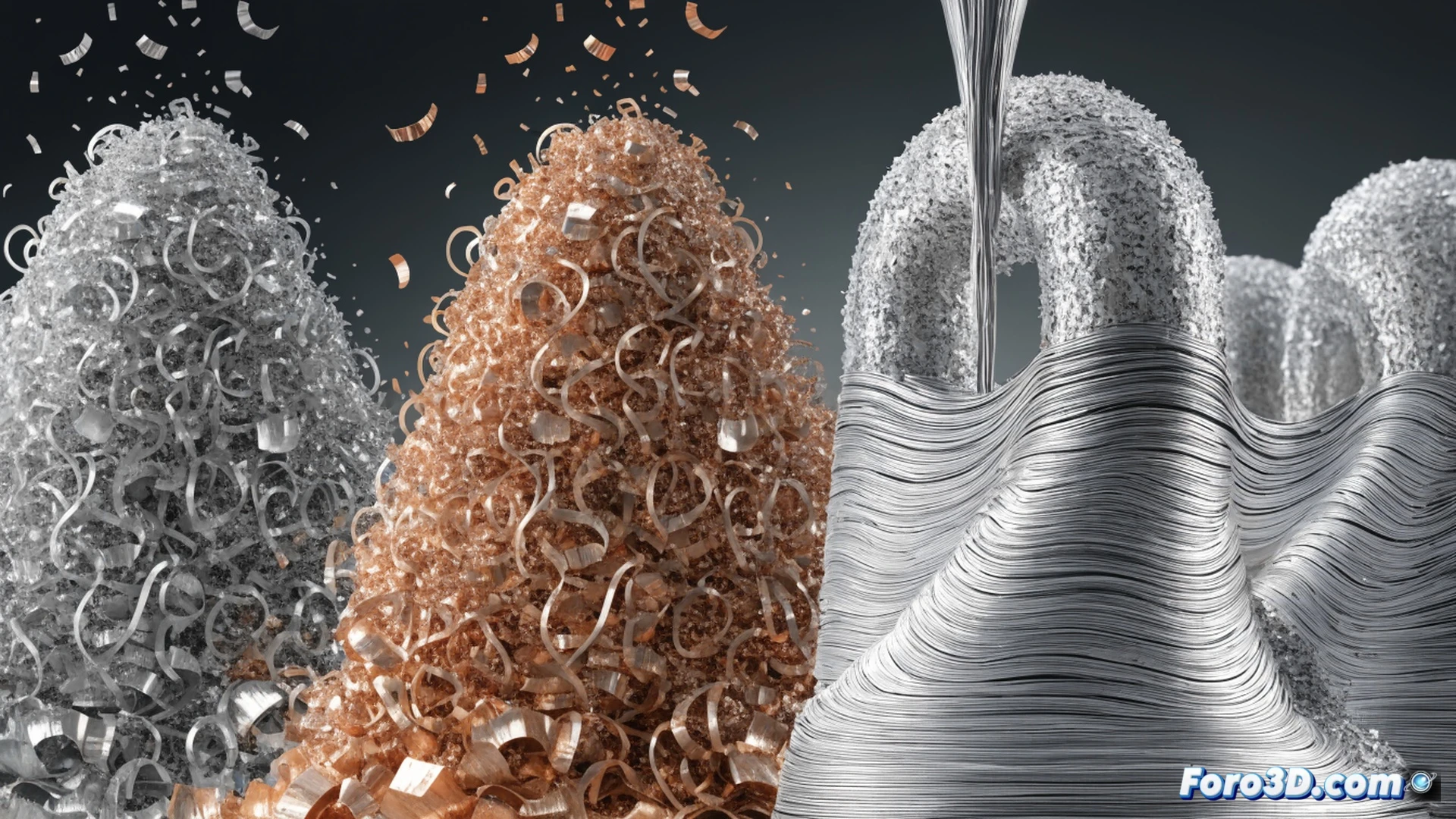
How shavings become filament without additives 🔧
The technique is based on a mechanical compaction and extrusion process that transforms the shavings into a homogeneous filament suitable for 3D printers. By eliminating the use of chemicals, toxic waste is avoided and energy consumption is reduced. The researcher notes that the recycled material maintains mechanical properties close to those of virgin metal, allowing its use in structural parts. The current challenge is scaling the method to an industrial level to compete with traditional casting processes.
Goodbye to scrap: now shavings have a career plan ♻️
It turns out that metal shavings were not only useful for plumbing apprentices to make abstract sculptures in the workshop. Now, a Danish researcher has given them a nobler purpose than rusting in a landfill: becoming 3D printed parts. The best part is that, by not using chemicals, we won't have to worry about the eco-friendly neighbor accusing us of polluting while we print a new part for the bicycle. The industry, for its part, is already rubbing its hands together: fewer imports and more recycling.