Starting July 1, the European Union will apply new taxes to low-value packages and increase tariffs on Chinese steel. The measure aims to curb the massive influx of cheap products and protect local industry. For consumers, this means imported items like electronics or clothing could rise in price. The EU is thus trying to slow down China's commercial advance, although the actions seem slow compared to the speed of Beijing's expansion.
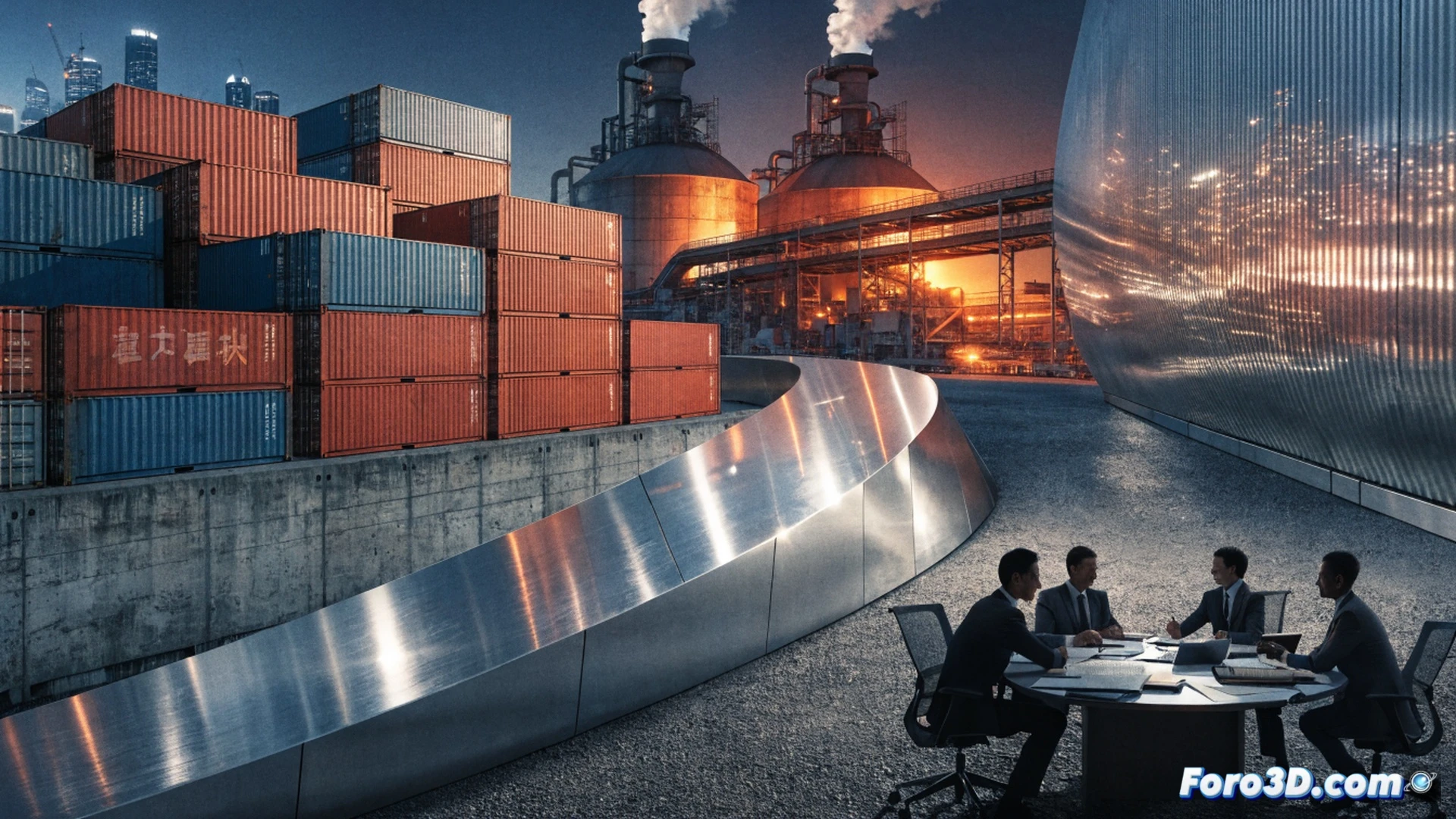
The impact on the technology supply chain ⚙️
The increase in steel tariffs affects sectors such as automotive and electronic component manufacturing. European companies that rely on Chinese steel to produce parts will see their costs rise. This could translate into more expensive final products for the consumer. Additionally, the new tax on small packages hits direct-sale platforms like Temu or AliExpress, which use individual shipments to avoid tariffs. The EU seeks to close that legal loophole, but Chinese logistics is already exploring alternative routes.
The consumer pays the price of the trade war 🐤
So, to sum up: the EU wants to protect your jobs by raising the price of your purchases. It's like if, to save the neighborhood bakery, the city council imposed a tax on sliced bread. The result is that you pay more for bread while the Chinese supermarket keeps selling buns at bargain prices. Sure, European steel will be happy, even if you have to sell your car to pay for the groceries.