In May, Thailand's industrial production fell 0.8% year-on-year, a worse-than-expected result. The decline in car manufacturing and high inflation are hitting the sector. For citizens, this translates into fewer factory jobs and higher prices for basic goods. The government projects a 2% annual rebound, but recovery is uncertain.
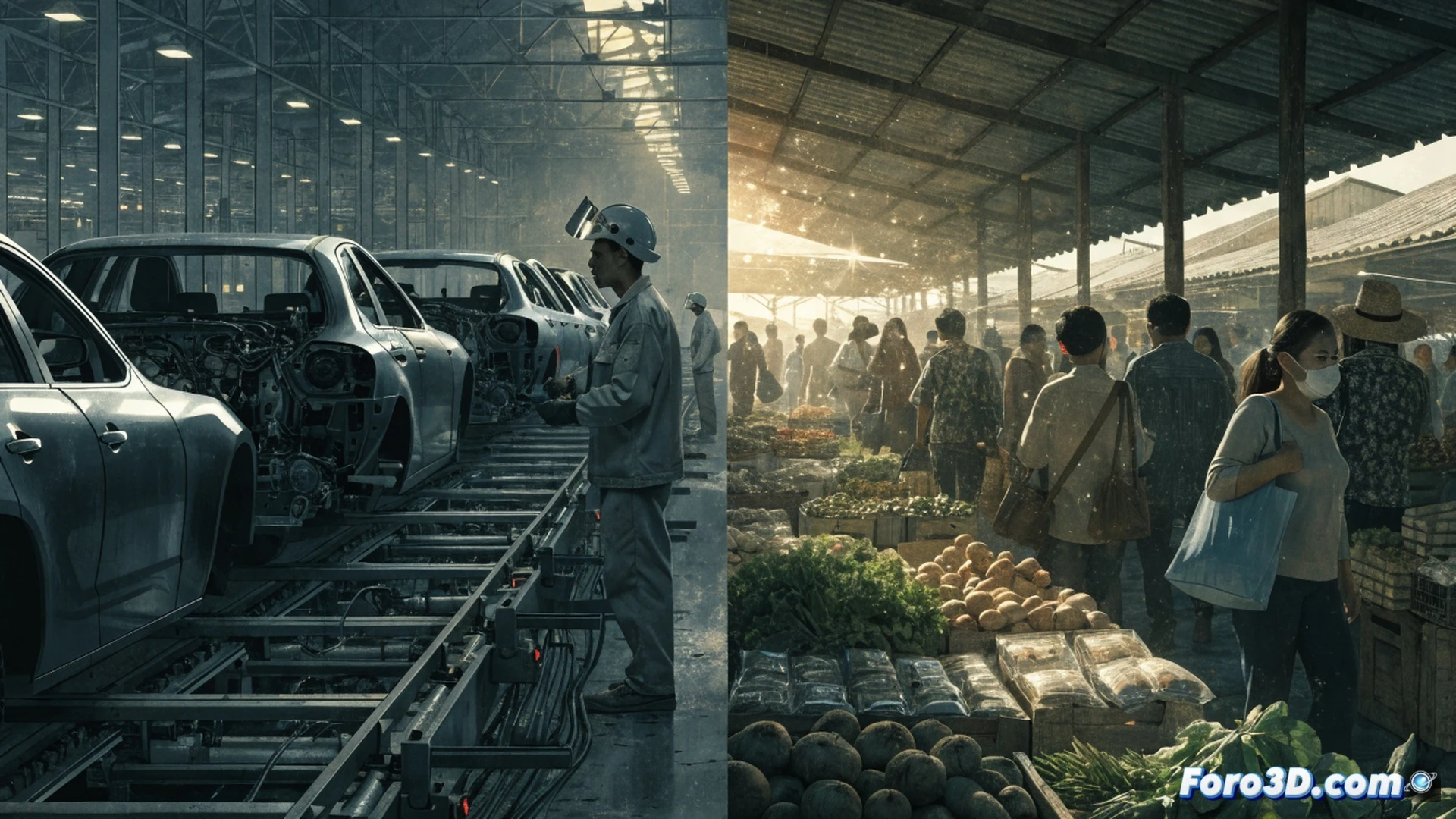
Automotive technology slows its progress in Thai factories 🚗
Car production, an industrial pillar, fell due to lower global demand and rising costs of electronic components. Local plants are operating below capacity, affecting the parts supply chain. Without rapid modernization in robotic processes or electrification, Thai competitiveness is losing ground to neighbors like Vietnam. Partial automation fails to compensate for the lack of orders.
Government optimism: a 2% rise without magic 🤔
The government expects production to rise by up to 2% this year, perhaps with the same logic as someone hoping their fridge will fill itself. Meanwhile, workers see their wages buying less and the cars no longer being made increasing in price. Recovery is uncertain, but irony is guaranteed: the Thai economy faces challenges that hit people's pockets, and certainly not with discounts.