The forgery of historical documents has reached a new level. A lead papal seal, a key element in medieval bulls, is now replicated with micrometric precision using high-speed CNC milling. The process starts from a digitized replica mold using Artec Studio, then refined in MeshLab. The result: a piece that deceives collectors and untrained experts.
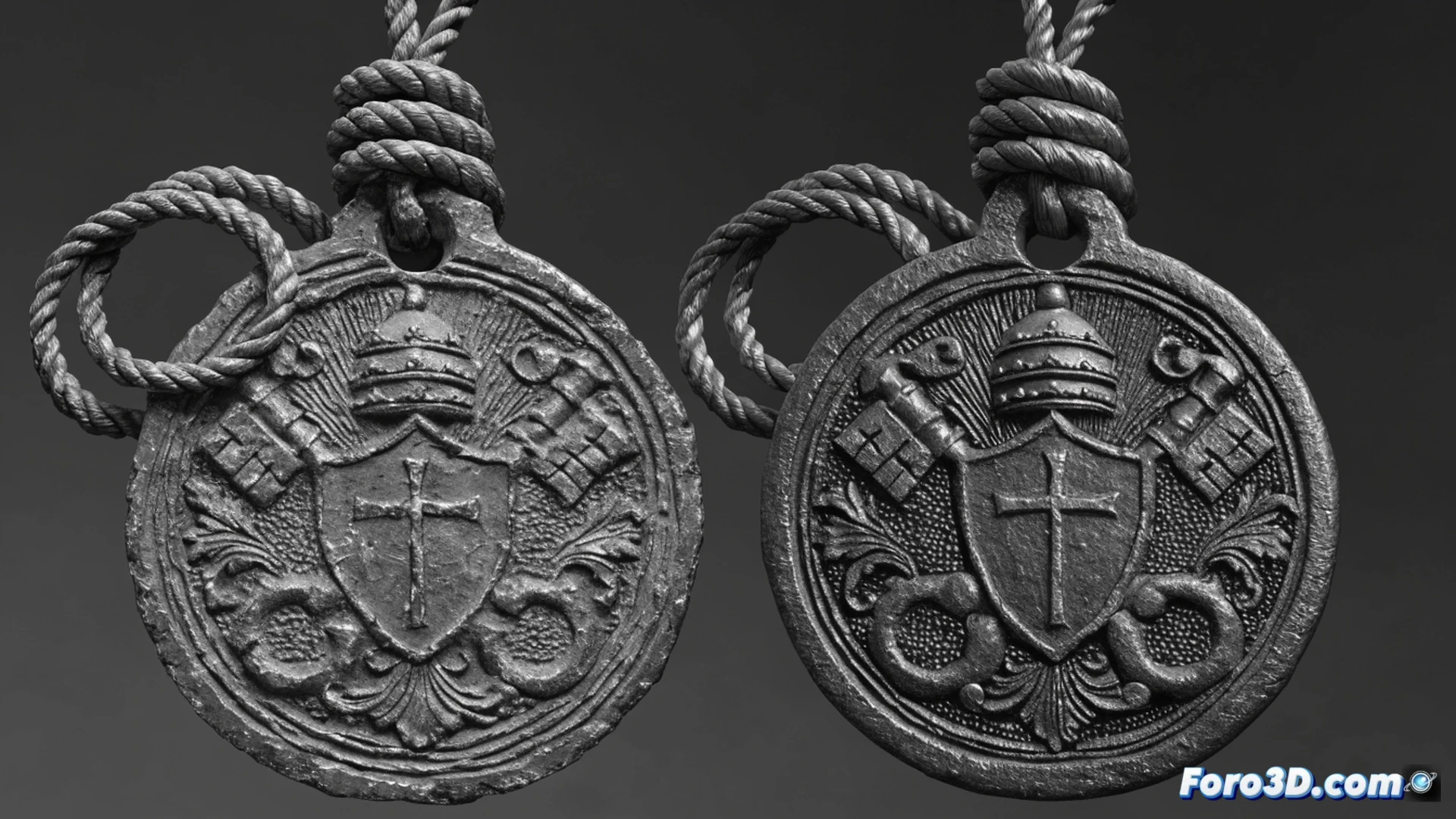
3D Pipeline: from point cloud to perfect mold 🛠️
The workflow starts with a 3D scan of the original seal using Artec Studio, which generates a high-density point cloud. That mesh is cleaned and optimized in MeshLab, removing noise and closing gaps. The final model is exported to G-code for a high-speed spindle CNC milling machine. With 0.1 mm ball-end carbide tools, every detail of the lead is reproduced, including wear marks and artificial patina.
The seal of discord (and impunity) 😂
The funniest part of the matter is that the forger left a clue: they used recycled lead from car batteries. The papal seal, in theory, should smell like incense and wax, not sulfuric acid. But hey, at least the surface finish is impeccable. If the Vatican doesn't buy it, surely a scrap dealer with a good eye for antiques will.