Schütz has begun construction of a laboratory building in Pla de Santa Maria to test climate control, energy efficiency, and water management technologies under real conditions. The project integrates geothermal energy, sustainable drainage, and rainwater recycling, aiming to research solutions that save energy and water in homes, improving comfort and reducing costs for citizens.
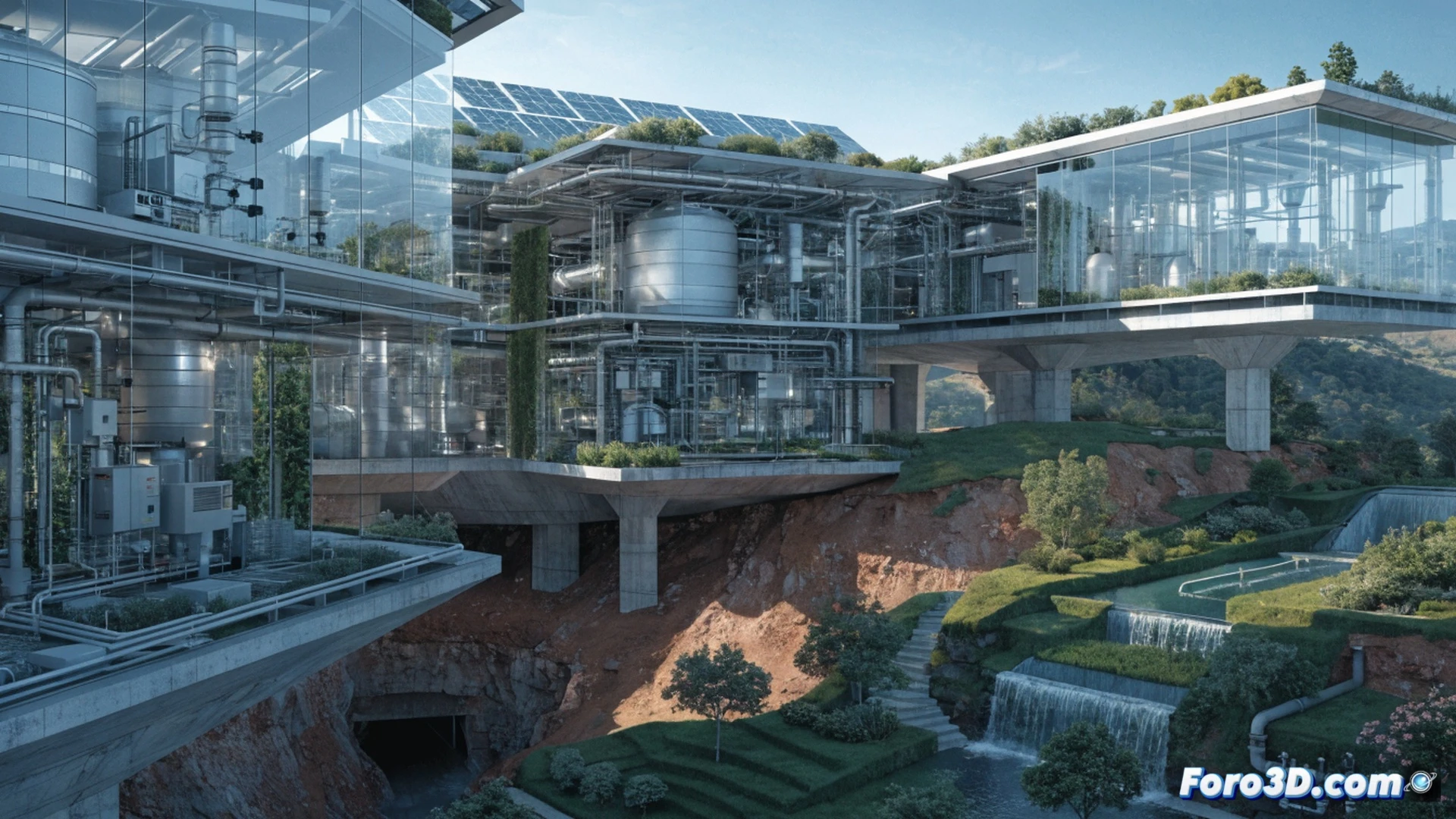
Geothermal energy and sustainable drainage as a technological foundation 🌱
The laboratory will function as a testing ground where geothermal climate control systems will be evaluated, which harness the constant temperature of the subsoil to reduce electricity consumption. A sustainable urban drainage system (SUDS) will also be installed to manage rainwater, along with a recycling circuit that will reuse it for non-potable uses. These trials aim to validate technologies that can be replicated in residential developments, with measurable data on energy savings and water efficiency.
The laboratory that will make your bill stop crying 💸
While many try to save water by turning off the tap while brushing their teeth, Schütz is setting up an entire laboratory to see if rainwater from the roof is enough to water the geraniums. The plan is so serious that even the warm earth underground will help pay less for heating. Hopefully, one day it will reach our homes, but in the meantime, we'll keep placing buckets under the leaks and calling it innovation.