A hospital discovers it is missing fentanyl, not because the patient requested it. The incident reveals a system where controls exist only on paper. Administrative management weighs more than the actual protection of opioids. Security protocols seem designed to justify audits, not to prevent lethal substances from going out the back door.
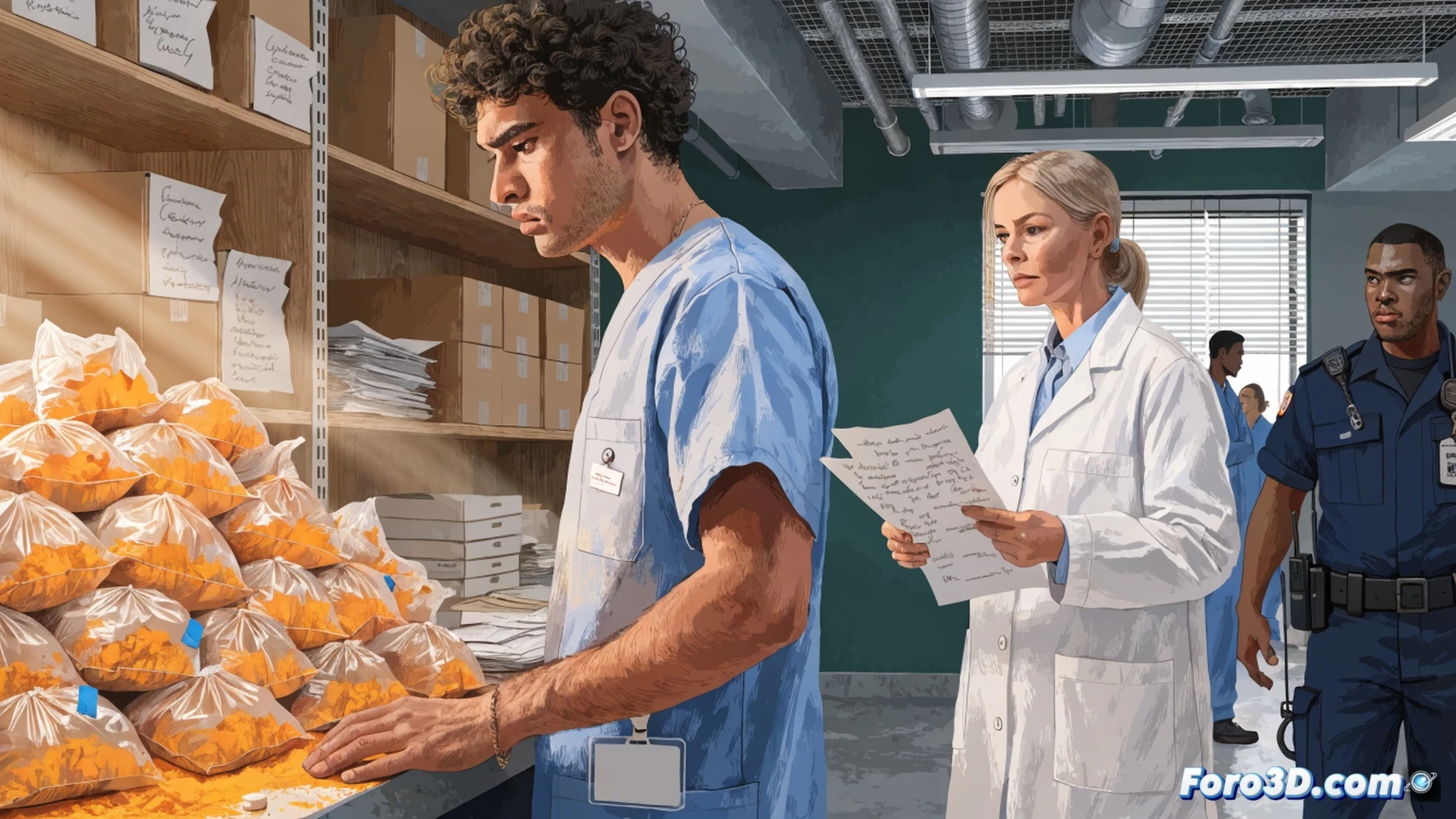
Digital Tracking: The Technology That Wasn't Implemented in Time 🔍
The technical solution exists and is not complex. We are talking about mandatory digital tracking systems for each dose of opioid, with RFID tags and real-time registration. Unannounced periodic audits that verify inventories against prescriptions. But hospitals prefer to spend on billing software rather than pharmacological security. The result: lax control that allows diversions until someone realizes vials are missing. Clear sanctions for non-compliant centers are the only real deterrent.
Express Control: Only When the Fentanyl Has Already Flown 🚪
The funny thing is that, after the theft, the hospital reinforces security. What a surprise. It seems they wait for the merchandise to disappear to remember that locks exist. It's like closing the barn door after the horse has bolted, only here the horse is an opioid 50 times more potent than heroin. At least now employees will have to sign for everything, even to breathe.