Major fashion houses have found in fragrances a goldmine that grows faster than makeup and other cosmetics. With a global market advancing 5% annually until 2030, brands like Chanel and Dior consolidate their dominance. For the consumer, this means high prices and an overwhelming supply of thousands of launches each year. The conclusion is clear: perfume remains an accessible luxury that sustains the entire industry.
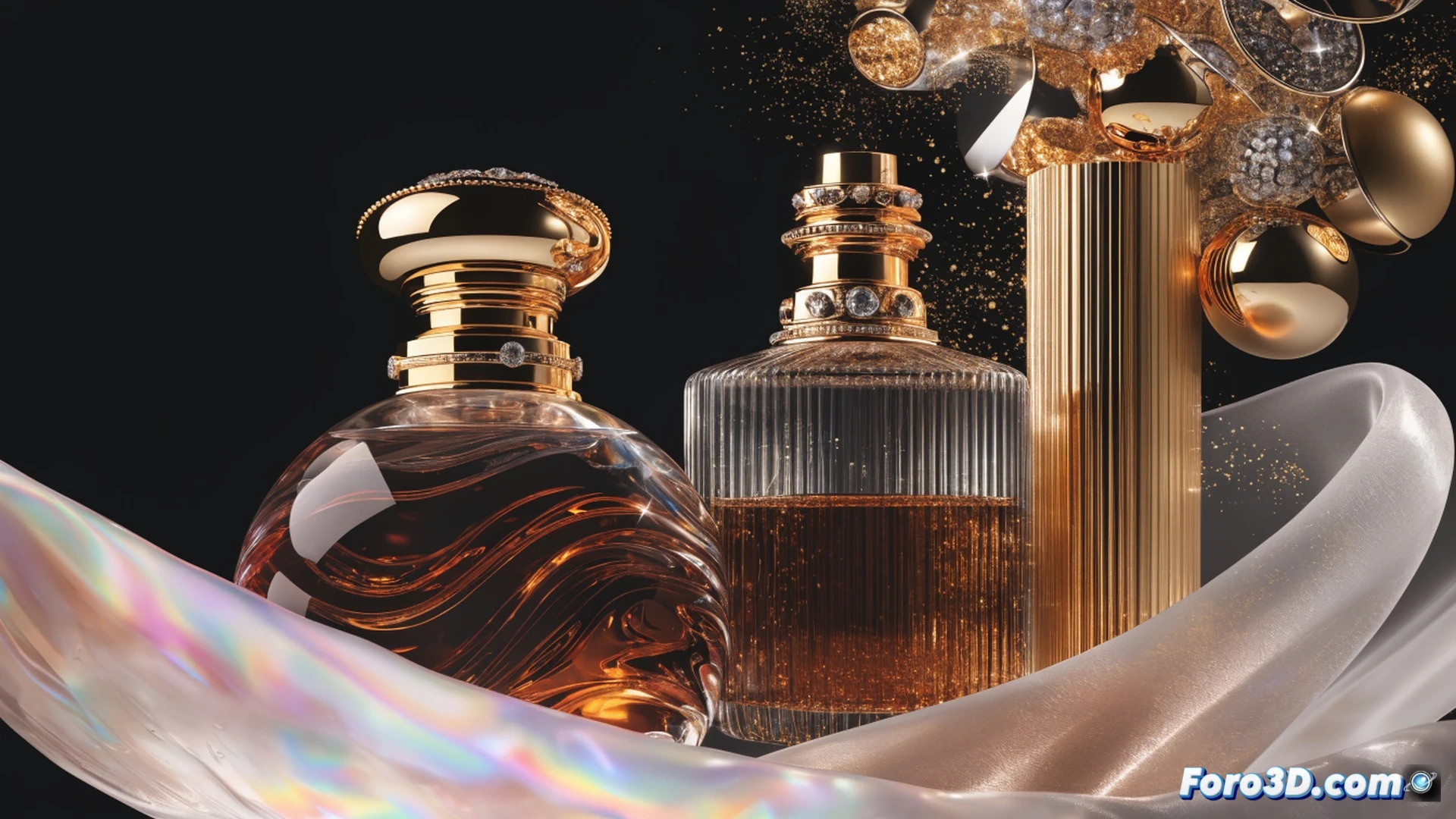
The technology behind the scent: algorithms and stability 🧪
The development of a high-end perfume no longer depends solely on a perfumer's sense of smell. Today, gas chromatographs are used to analyze volatile notes and algorithms that predict skin fixation based on pH and temperature. Houses invest in microencapsulation to release the scent for hours and in artificial intelligence that analyzes consumption trends. The result is a stable formula that competes in a saturated market, where each launch seeks to differentiate itself without straying from the brand's DNA.
How to smell rich without selling a kidney 💸
Buying a perfume today is like entering an auction: you have to decide between Dior's limited edition or paying the mortgage. Brands launch a thousand fragrances a year and all promise to make us irresistible, but in the end you smell just like the neighbor who bought the same bottle at the airport. The irony is that the more they invest in technology to make the scent last, the faster our pockets empty. At least, if the perfume evaporates, the credit card receipt doesn't.