The alarm should not focus on young people talking to an artificial intelligence to feel heard. The real problem is that we have normalized an environment where affection and care are luxuries. We demand parental control without guaranteeing humane working hours or accessible public mental health, while the educational system ignores the emotional void it creates.
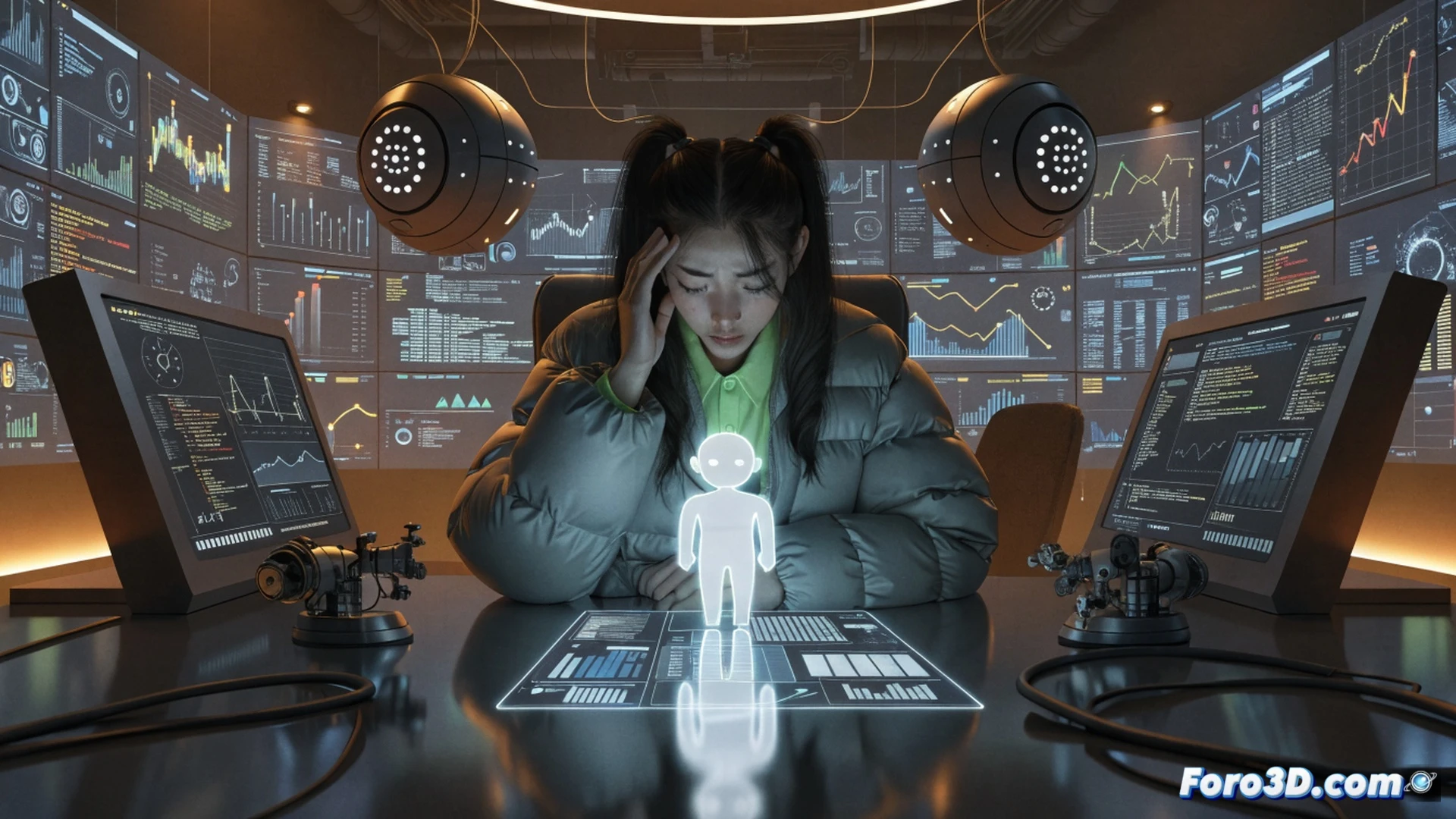
The Technical Architecture of a Social Absence 🏗️
Current language models, based on transformers and fine-tuned with RLHF, are designed to mimic empathy and maintain coherent conversations. But their technical efficiency is a mirage: they optimize responses to retain the user, not to solve their loneliness. Meanwhile, school psychologists have ratios of 1 per 800 students, and public budgets for youth mental health do not even cover a quarterly consultation. The algorithm does not fail; the care network that should exist fails.
The Magic Solution: A Bot Funded by the Treasury 🤖
Since we cannot afford psychologists or give time to families, the star proposal is a virtual assistant that tells you cheer up, champ every time you cry. Next step: the chatbot signs the sick leave report and parents can send a ticket to technical support instead of talking to their children. All very efficient, except that low-cost comfort still leaves the same void, but with less public spending.