NASA has put the LINK satellite into orbit with a clear mission: to save the Swift telescope, whose orbital decay is pushing it toward Earth. Equipped with robotic arms, this space vehicle will lift the veteran observatory back to its original altitude, extending its operational life by another decade. For the public, this demonstrates that it is possible to extend the lifespan of key satellites like Hubble without building new ones from scratch. A rescue that saves money and maintains essential services in space.
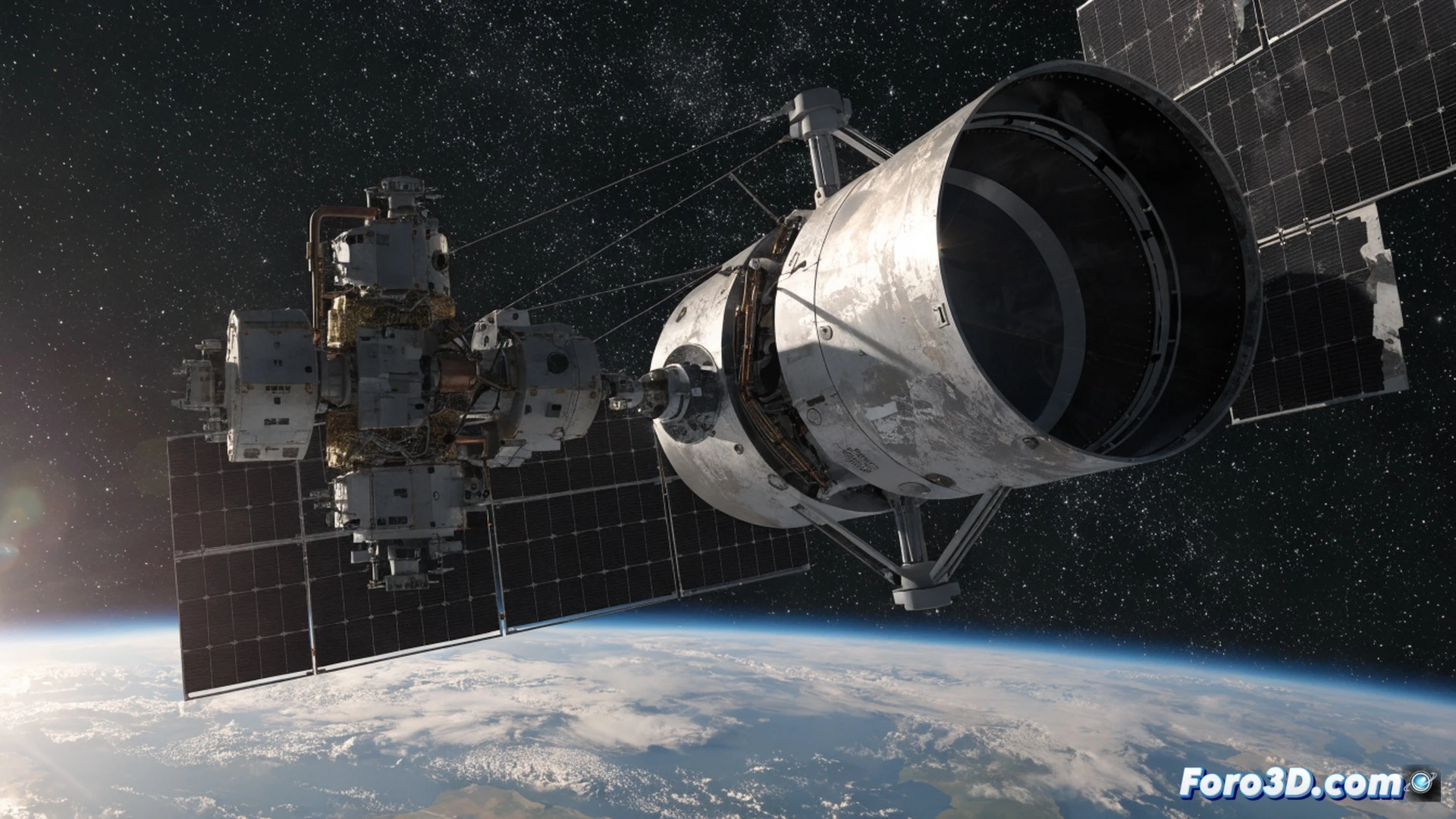
Robotic arms for precision orbital surgery 🛰️
The LINK satellite functions as a space crane. Its robotic arms will dock with Swift to gently push it into a higher orbit, compensating for the atmospheric friction that degrades it. The maneuver is delicate: any error could destabilize the telescope. However, NASA has designed the system with sensors and algorithms that ensure a firm grip and constant thrust. If it works, this technique could be applied to other aging satellites, like Hubble, preventing their fall and extending their service for years.
Swift, the retiree who refuses to close up shop 😅
The Swift telescope should already be enjoying its space pension, but NASA has decided otherwise, that it still has work to do. With LINK's rescue, this veteran will continue capturing gamma rays while other younger satellites look on with envy. In the end, it turns out there are also last-minute rescues in space, only here there are no tow trucks, but robotic arms that lift you back into the orbital lane. Of course, it shouldn't get used to it: next time, there might not be a LINK available.