The Festival d’Aix-en-Provence kicked off with a production of The Magic Flute that left the audience cold. Clément Cogitore's staging, described as convoluted, failed to excite attendees. This lukewarm start raises questions about the event's ability to connect with today's audience and sustain interest in opera as a cultural leisure offering.
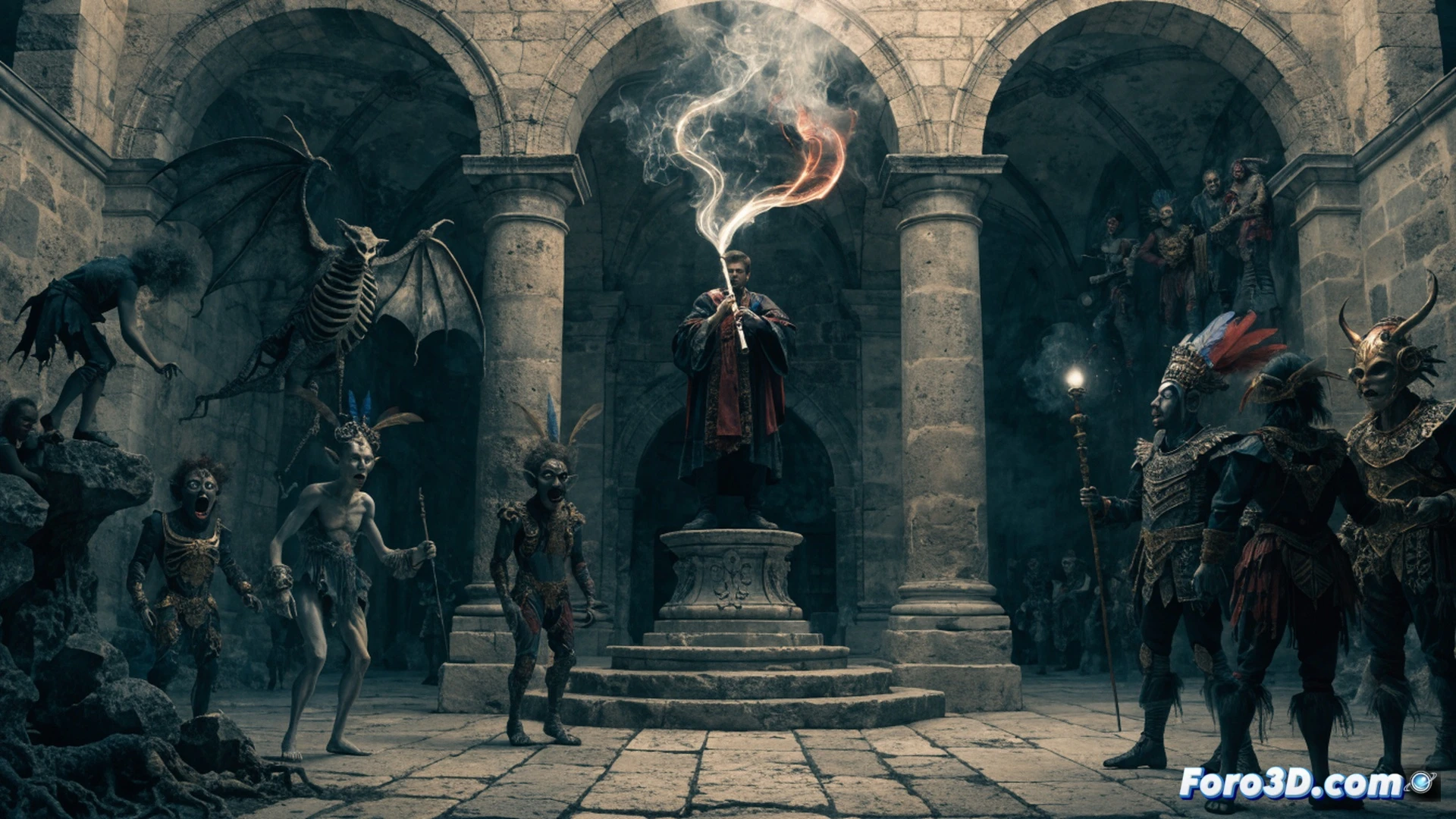
The technical challenge of updating classics without losing the essence 🎭
The staging sought to incorporate video art and digital scenography elements to modernize Mozart's work. However, the integration of 3D projections and synchronized lighting effects did not compensate for confusing directorial choices. Tempo changes in the score, adjusted via live editing software, disoriented the musicians. Technology applied without a solid dramaturgical script ended up overshadowing the original narrative.
The audience prefers karaoke to avant-garde 🎤
While critics debate postmodern symbolism, the locals of Aix have chosen to stay home watching reruns of trash TV. Apparently, a magic flute that is hard to understand competes poorly against a cooking show. The moral: if you want to fill seats, Papageno better come with a plate of paella and a microwave.