Toheed Sajjad arrived in Barcelona seeking a future and found himself facing a facade that crushed his spine. Without a contract or papers, his boss ignored his warnings of danger and forced him to work. Today he lives in a wheelchair on a minimum pension, hiding his condition from his family in Pakistan. An example of how job insecurity can break a life without warning.
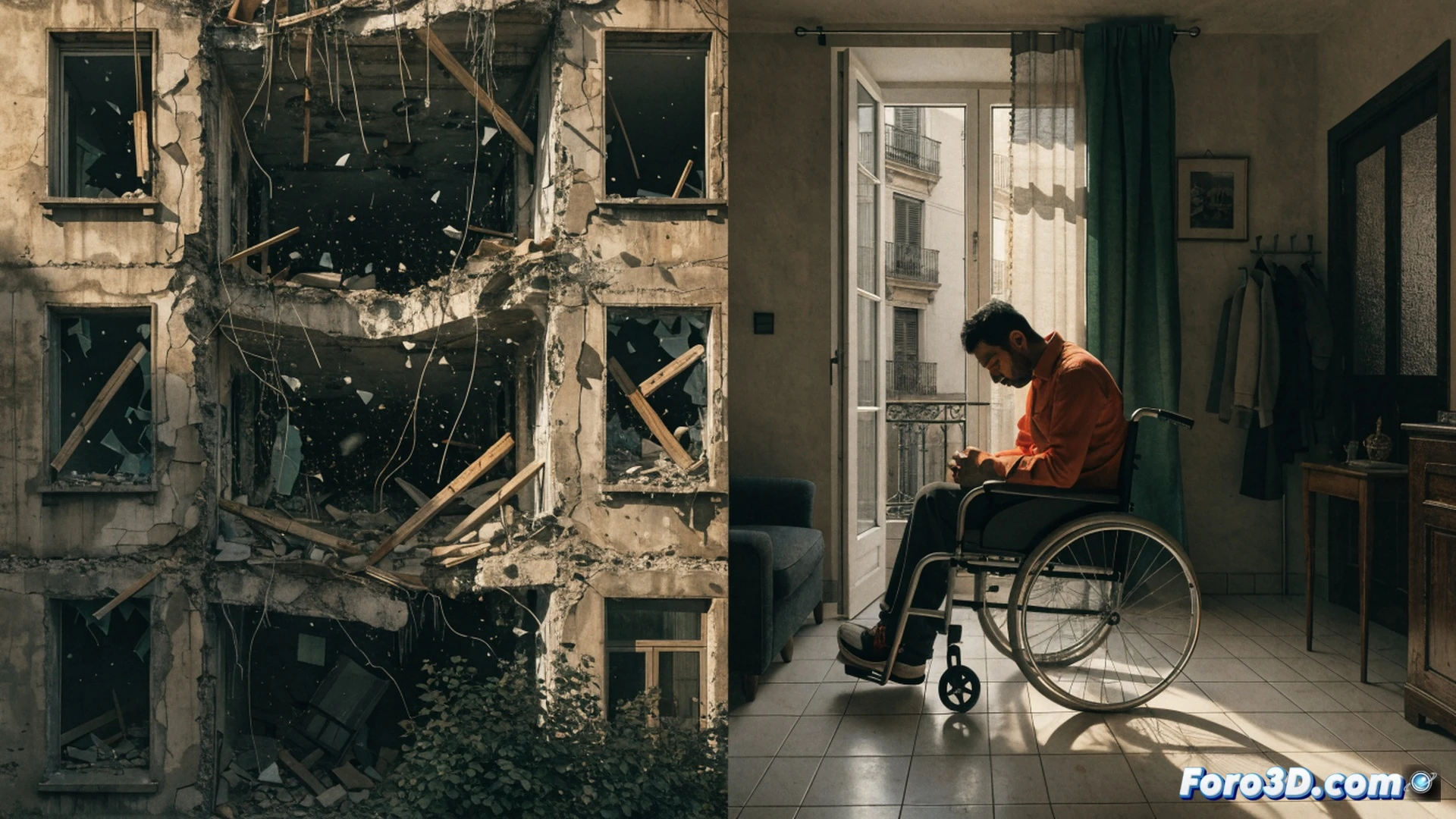
How safety technology could have prevented the collapse 🏗️
In the construction sector, tools such as tilt sensors on facades, periodic inspection drones, and early vibration warning systems are common on sites with European regulations. Their cost is low compared to the price of a life. But when the employer prioritizes savings over safety, no device can protect someone working without rights. The digital and legal gap here is deadly.
The insurance that doesn't even cover morning coffee ☕
The most astonishing thing is that Toheed's boss, after the accident, probably got off scot-free while he deals with paperwork and physio visits. In Pakistan, his family thinks he's rolling in euros. The reality: a pension that barely covers the rent for a walk-up apartment. Good thing dignity isn't traded on the stock market, because here the surplus value is paid by the body.