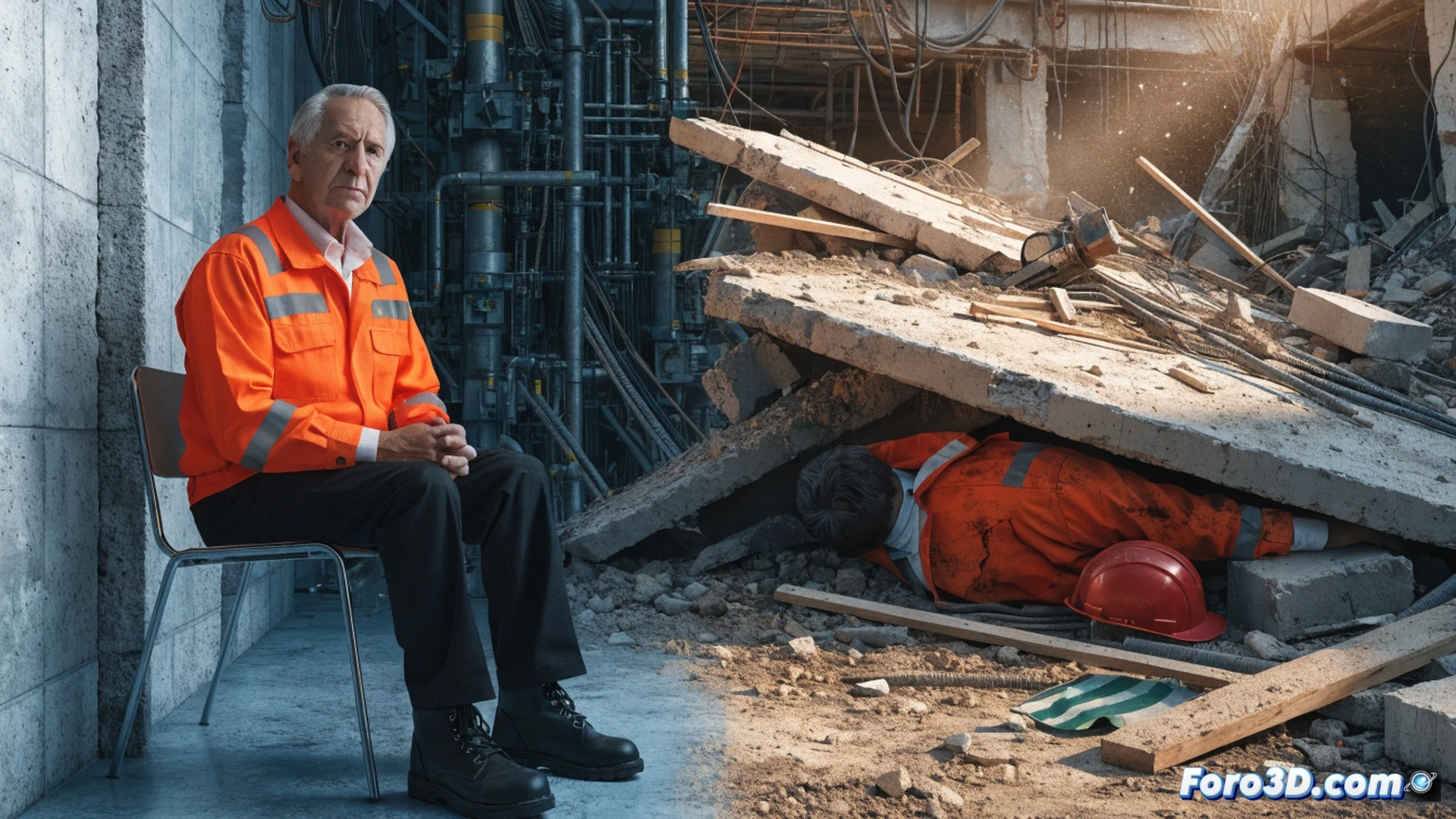
The death of a 66-year-old worker on a construction site without safety measures exposes the system's contradiction. Workers are required to work longer years, yet occupational risk prevention for older people is neglected. Inspections are insufficient and penalties are merely symbolic. It is urgent to tighten controls and facilitate early retirement in physically demanding trades. ⚰️
Prevention technology ignored by companies 🛠️
Fatigue sensors, exoskeletons, and vital sign monitoring systems exist that could reduce accidents among older workers. However, many companies consider these devices an avoidable expense. The reality is that their implementation costs less than a death compensation payout. Forcing a 66-year-old operator to carry weight without a harness or mechanical assistance is a technical decision, not an accident.
Life insurance: pays more than prevention 💰
Companies do the math: a technical inspection costs 2,000 euros; a coffin, about 3,500. The business logic is flawless: it's cheaper to pay for the burial than to install guardrails. And if the worker is 66, even better. That way, they save on the retirement pension. A complete business plan: you extend the working life and shorten the biological one. Pure efficiency.