Japan, one of the world's most powerful economies, imports almost all the energy it consumes. Its bet on nuclear power was shaken after Fukushima, and renewables are advancing at a snail's pace. Now, any geopolitical conflict triggers uncertainty and threatens inflation. Citizens bear the cost of a lack of strategic foresight that should have been corrected decades ago.
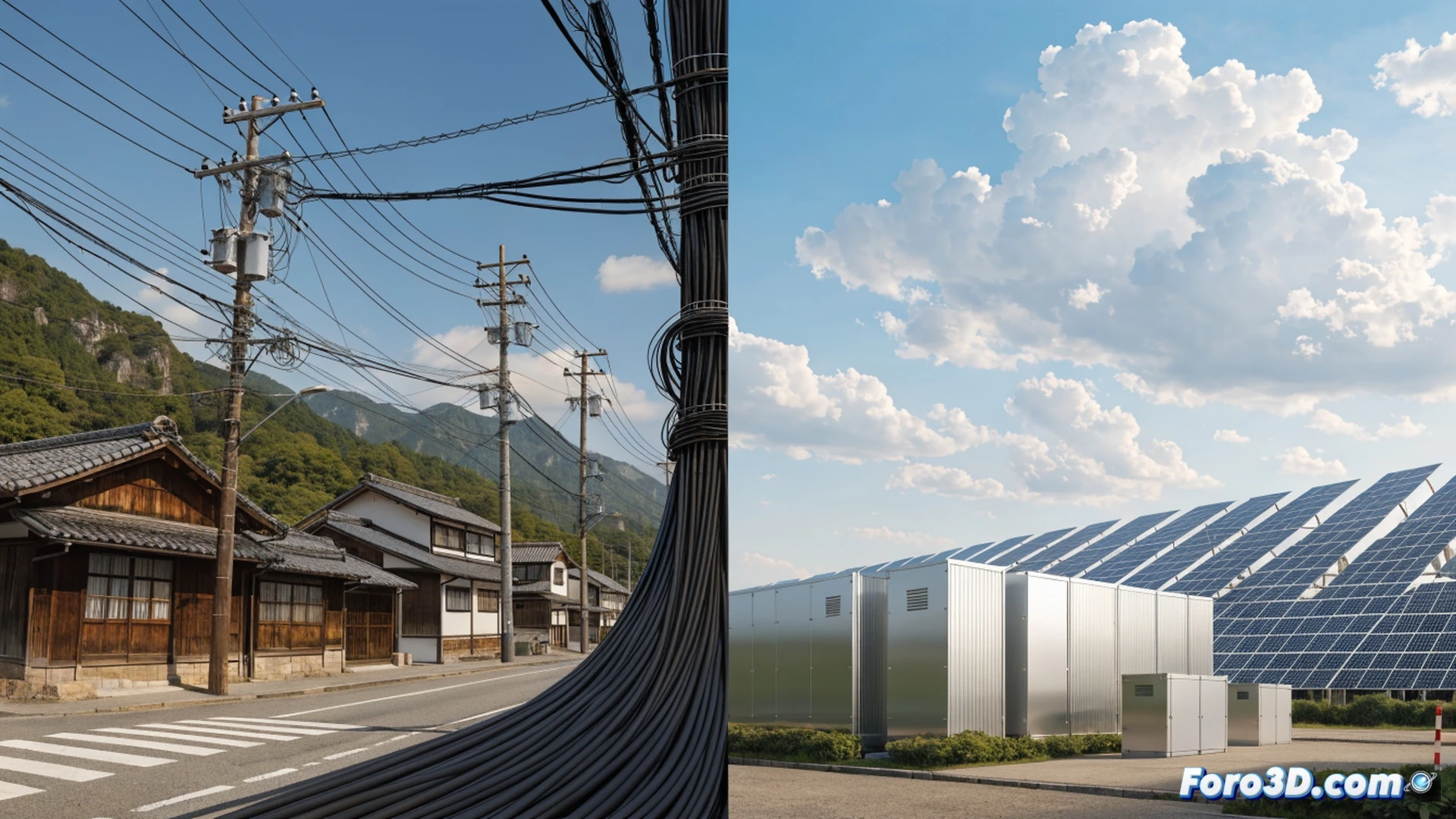
Domestic storage and agreements: the technical route to get out of trouble 🔋
The solution involves installing storage systems in homes and businesses, combining lithium batteries with intelligent demand management. At the same time, it is necessary to diversify supply contracts with multiple liquefied natural gas producing countries and develop offshore wind farms. This reduces exposure to a single supplier and stabilizes prices. Without these steps, dependence will remain a burden.
Japan's Plan B: praying for no geopolitical storms 🌍
While the government studies turning on nuclear reactors with the same joy as a child lighting a lighter near a fire extinguisher, citizens look at their electricity bill and think about buying candles. The strategy seems to be waiting for the world to agree not to touch gas prices. Spoiler: the world will not agree.