A recent analysis compares the original Indiana Jones trilogy with other adventure sagas, pointing out that, although iconic, its quality declined in later sequels. It highlights that franchises like How to Train Your Dragon or Puss in Boots offer more consistent and emotional stories. For the audience, this means there are more balanced entertainment options, where the strength of the story outweighs the character's initial impact.
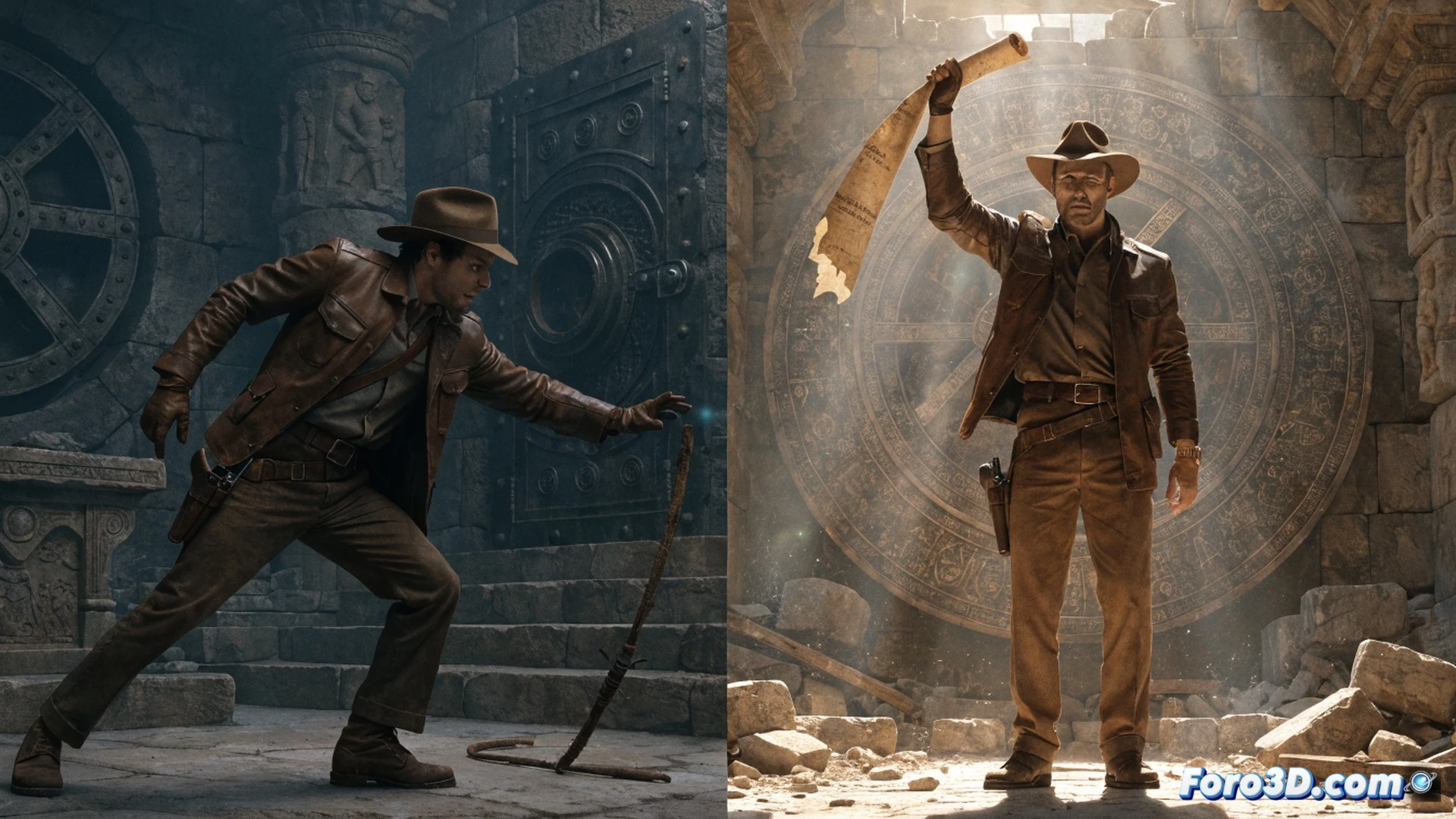
The script algorithm: consistency vs. nostalgia peaks 🎬
Indiana Jones's narrative functions like a system with peaks of technical brilliance and abrupt drops in coherence. While the first installment establishes a solid structure of action and mythology, the sequels introduce plot patches that destabilize the whole. In contrast, sagas like How to Train Your Dragon apply a staggered development of characters and plots, maintaining a steady pace. The result is a final product with fewer continuity errors and greater long-term viewer satisfaction.
The whip gets tangled: when nostalgia doesn't pay the bills 🐉
It turns out that the hat and the whip are not enough to sustain a franchise if the script is full of holes everywhere. While Indy chases after relics with less and less sense each time, a dragon and a cat in boots teach us lessons in plot coherence. Perhaps the only thing Indiana Jones should be looking for is a map leading to a competent writers' room, before his next adventure becomes a documentary on how to lose charisma.